

Dear you,
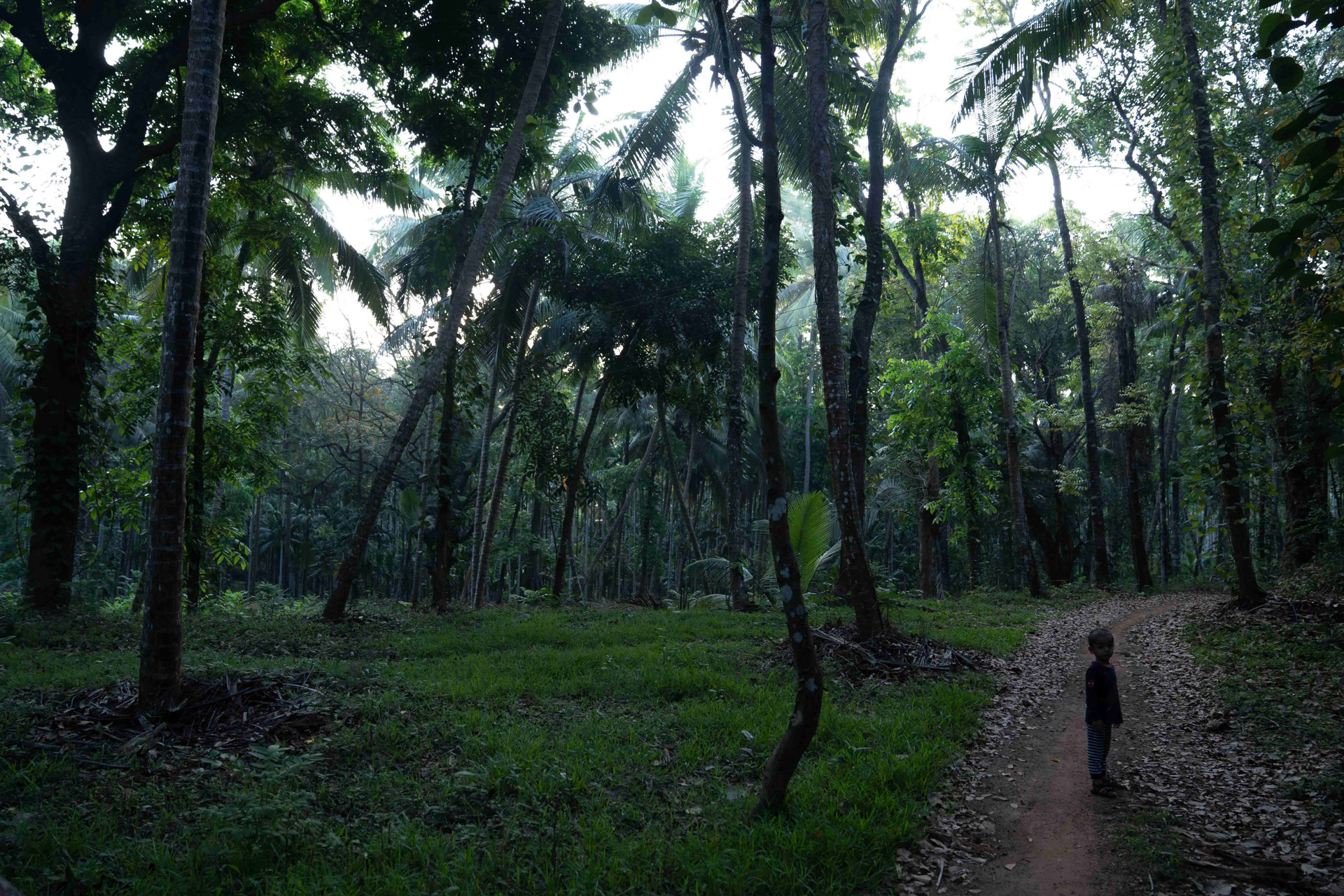
In my last letter I wrote about a village festival. This one is about the one place that is home. Padaru, my family’s house in coastal Karnataka, where I have been going my whole life.
We did not plan to spend a season there. In early 2020 the world shut its doors, the city went quiet, and a short visit home turned into months. There are far harder stories from that time than mine, and I will not pretend ours was one of them. But something happened in those long, slow weeks that I have been trying to hold onto ever since.
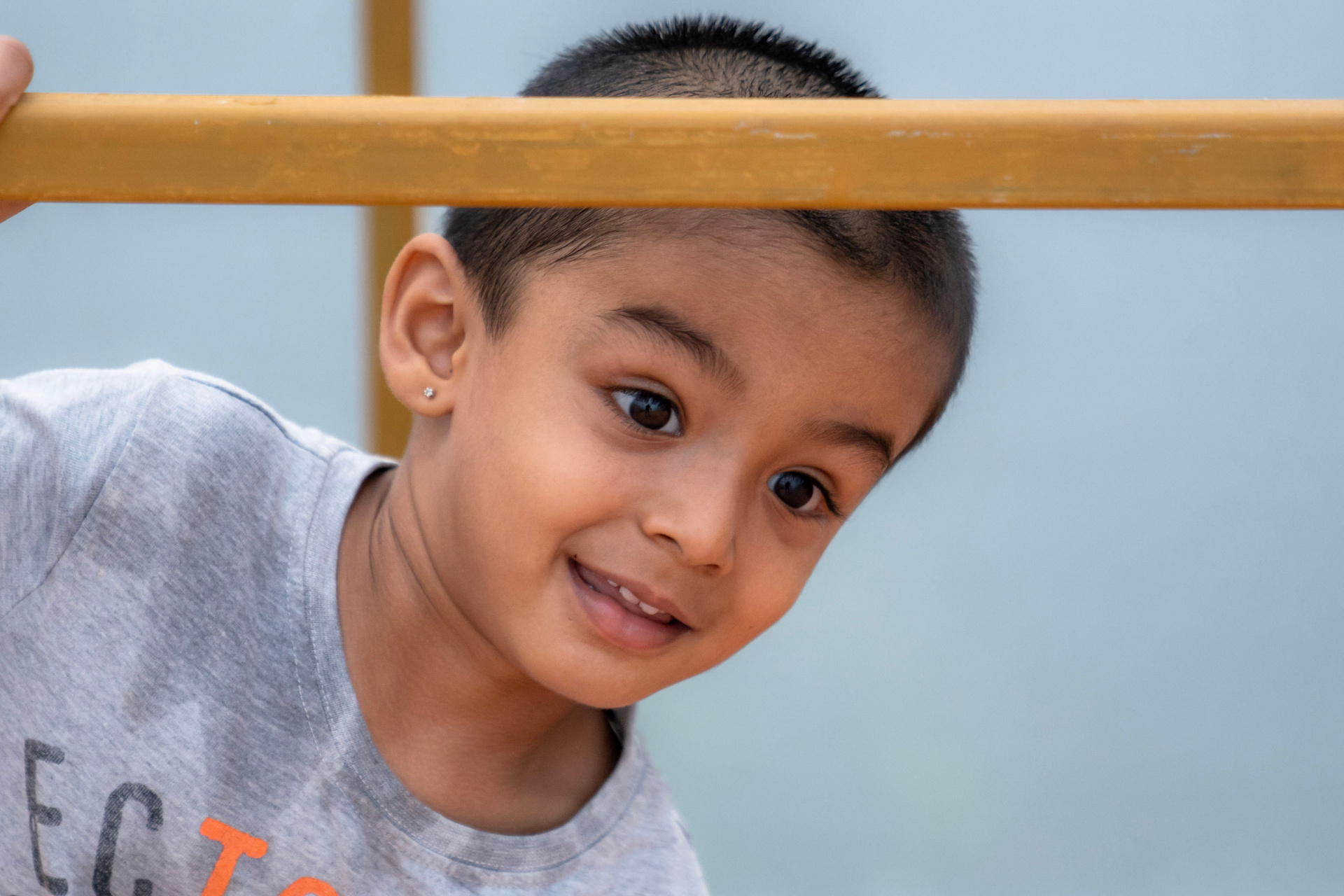
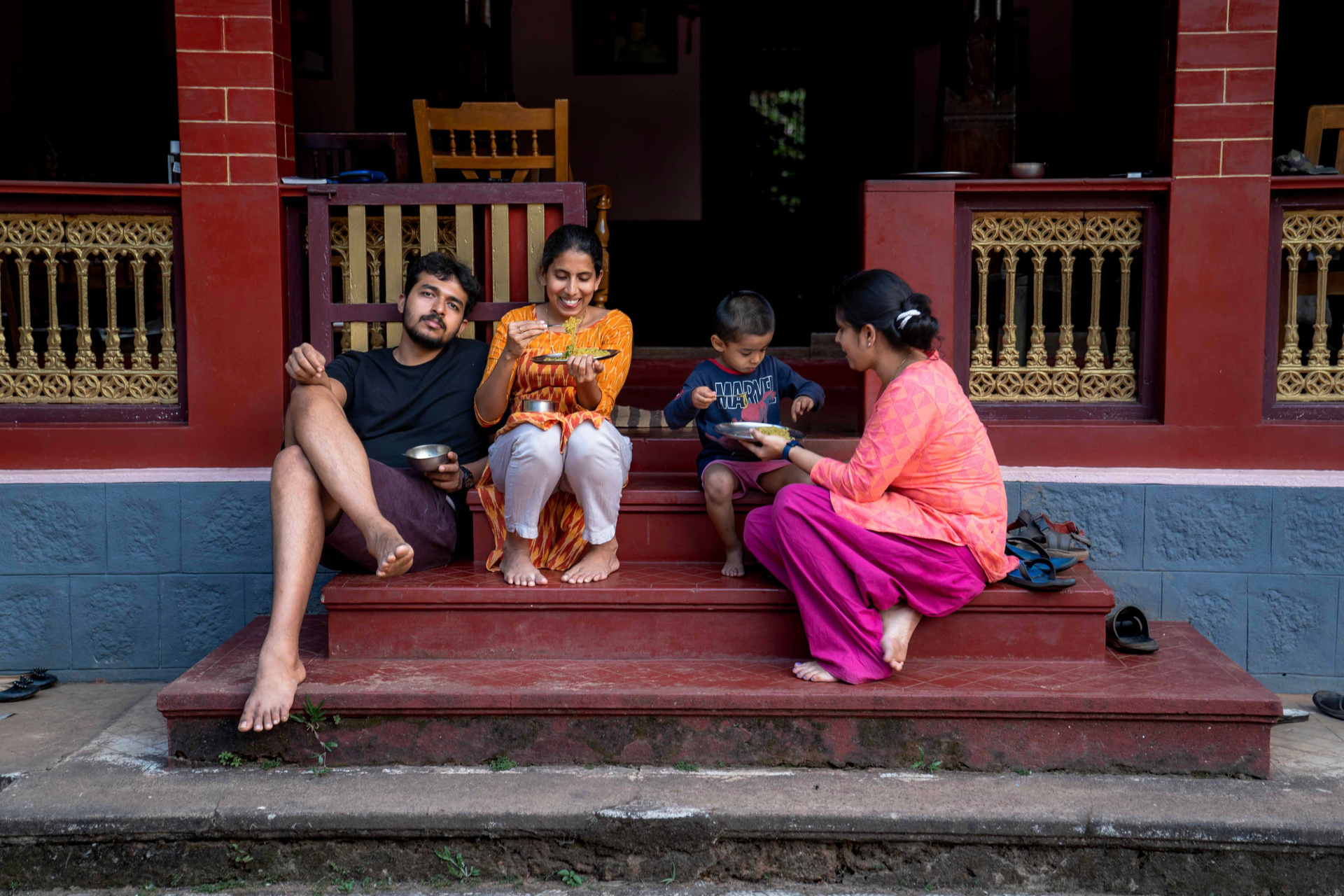
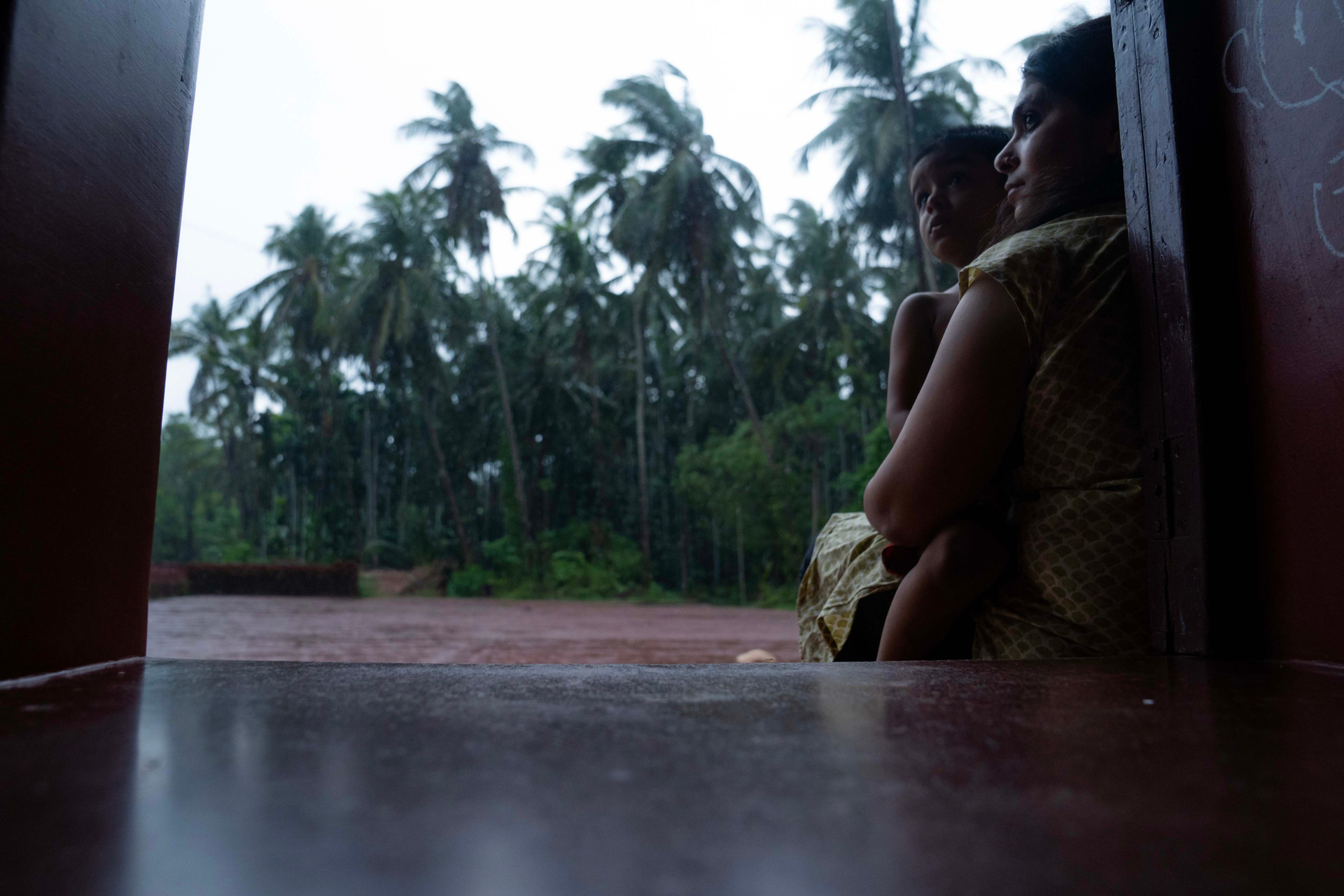
My son, Samanyu, was small then. Small enough that Padaru was still mostly new to him. And so I got to watch him meet the place I come from, properly, for the first time.
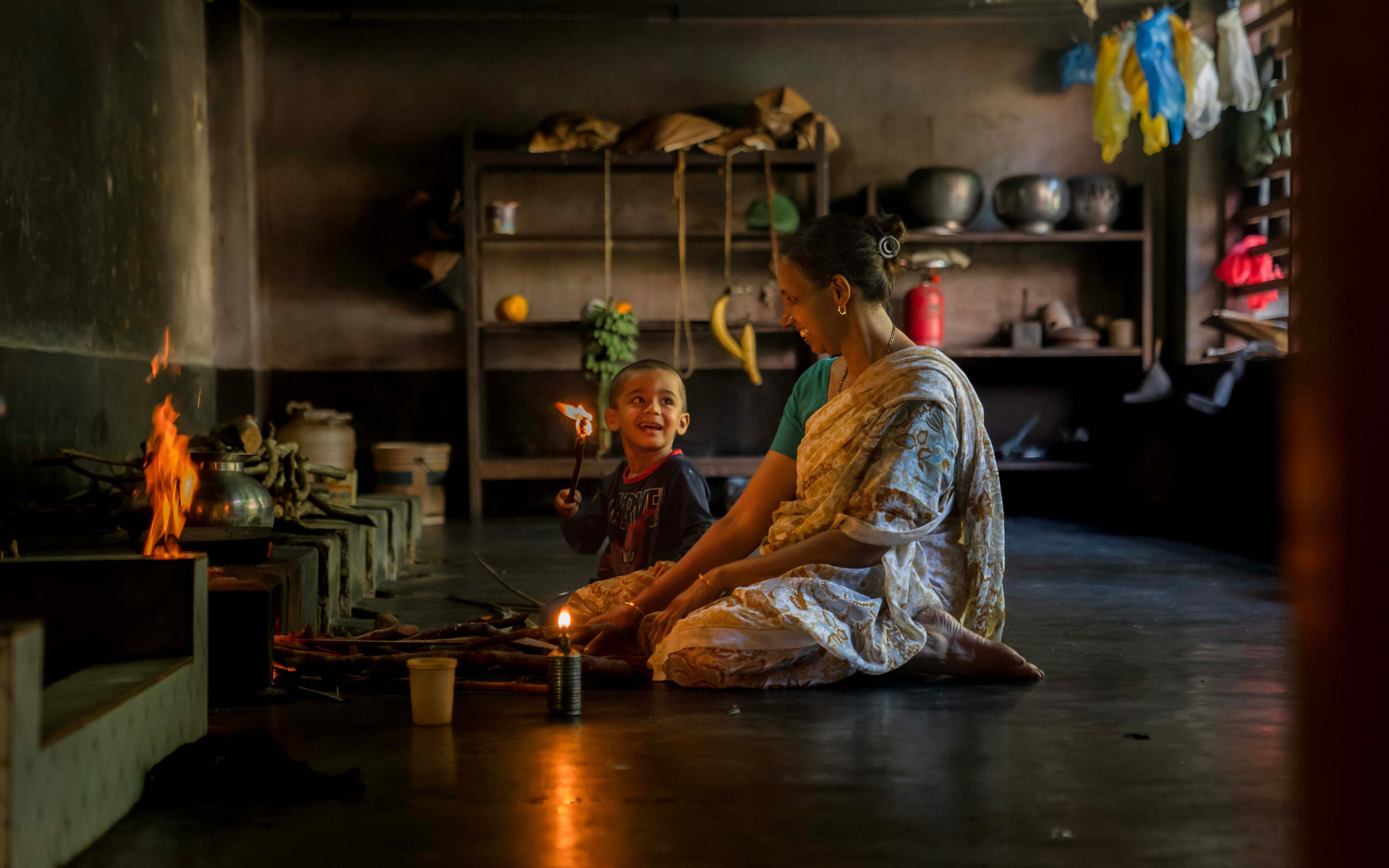
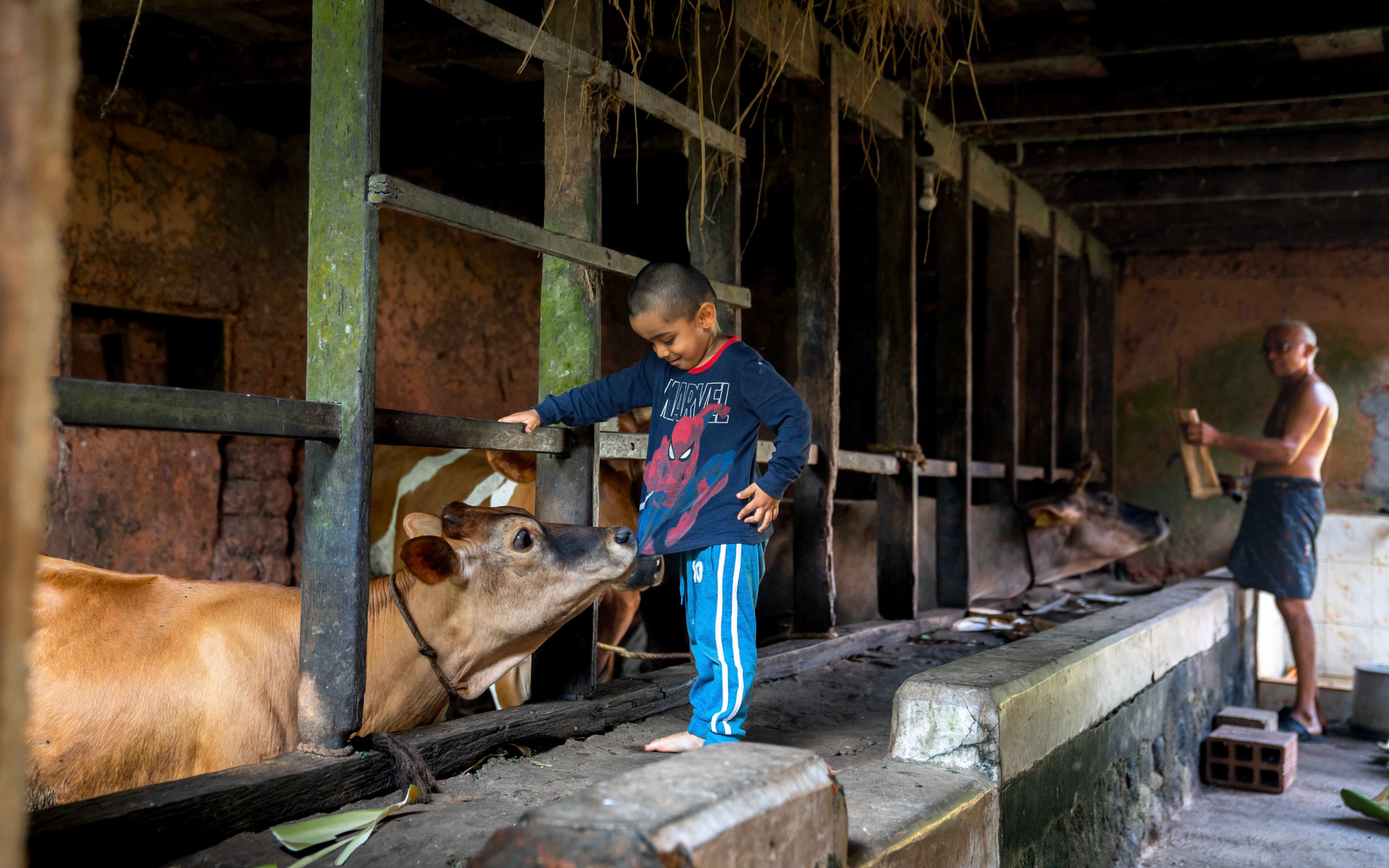
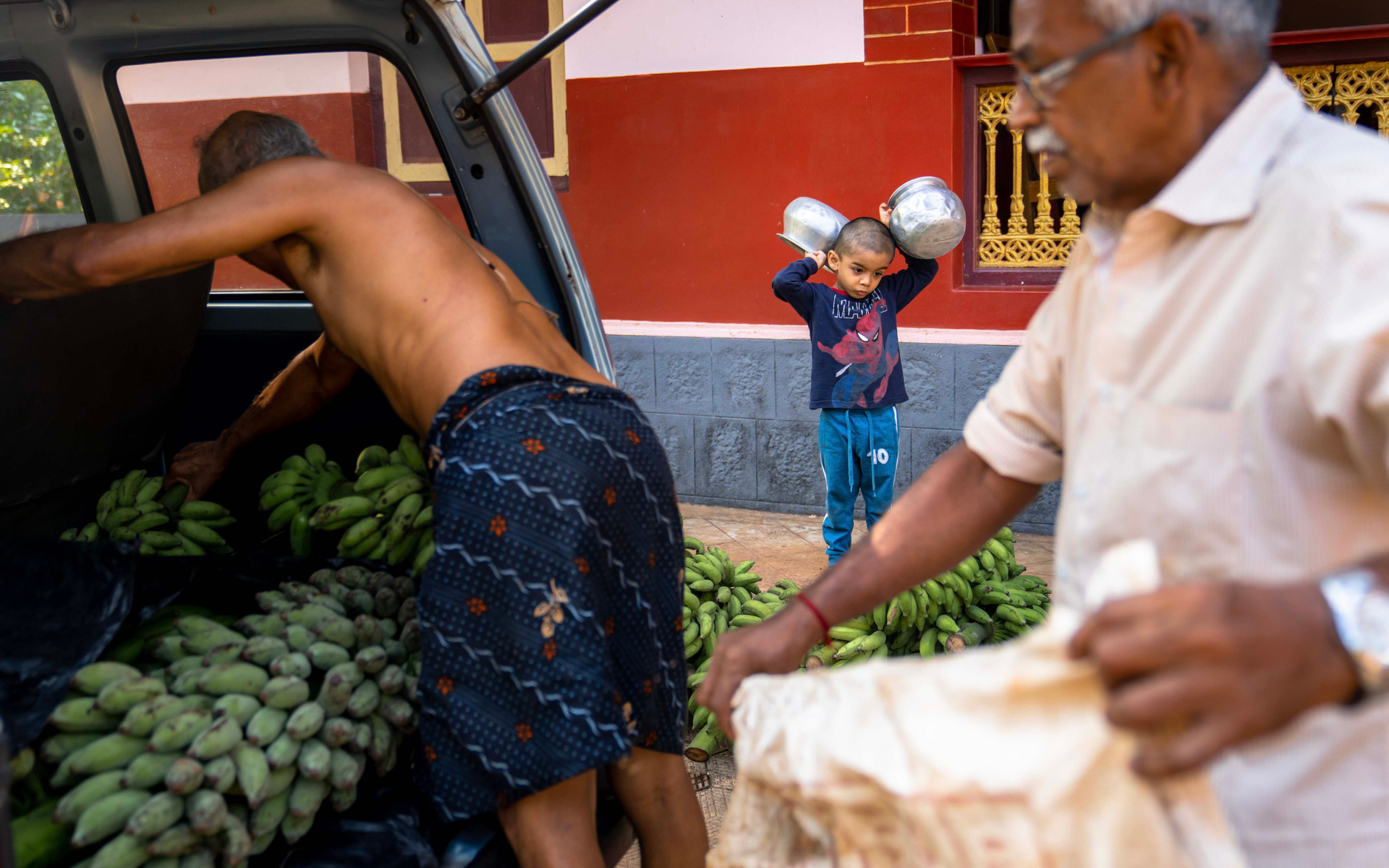
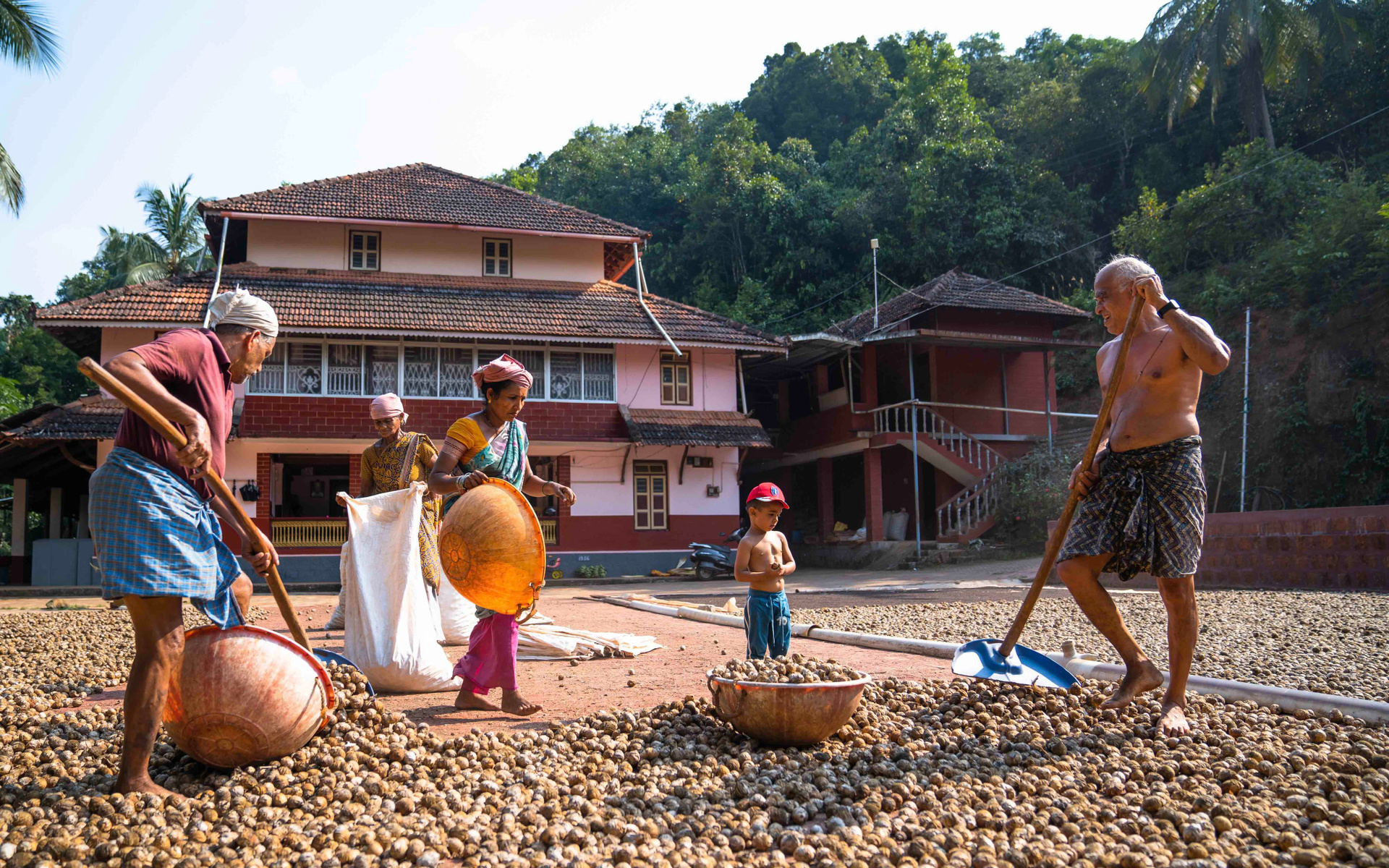
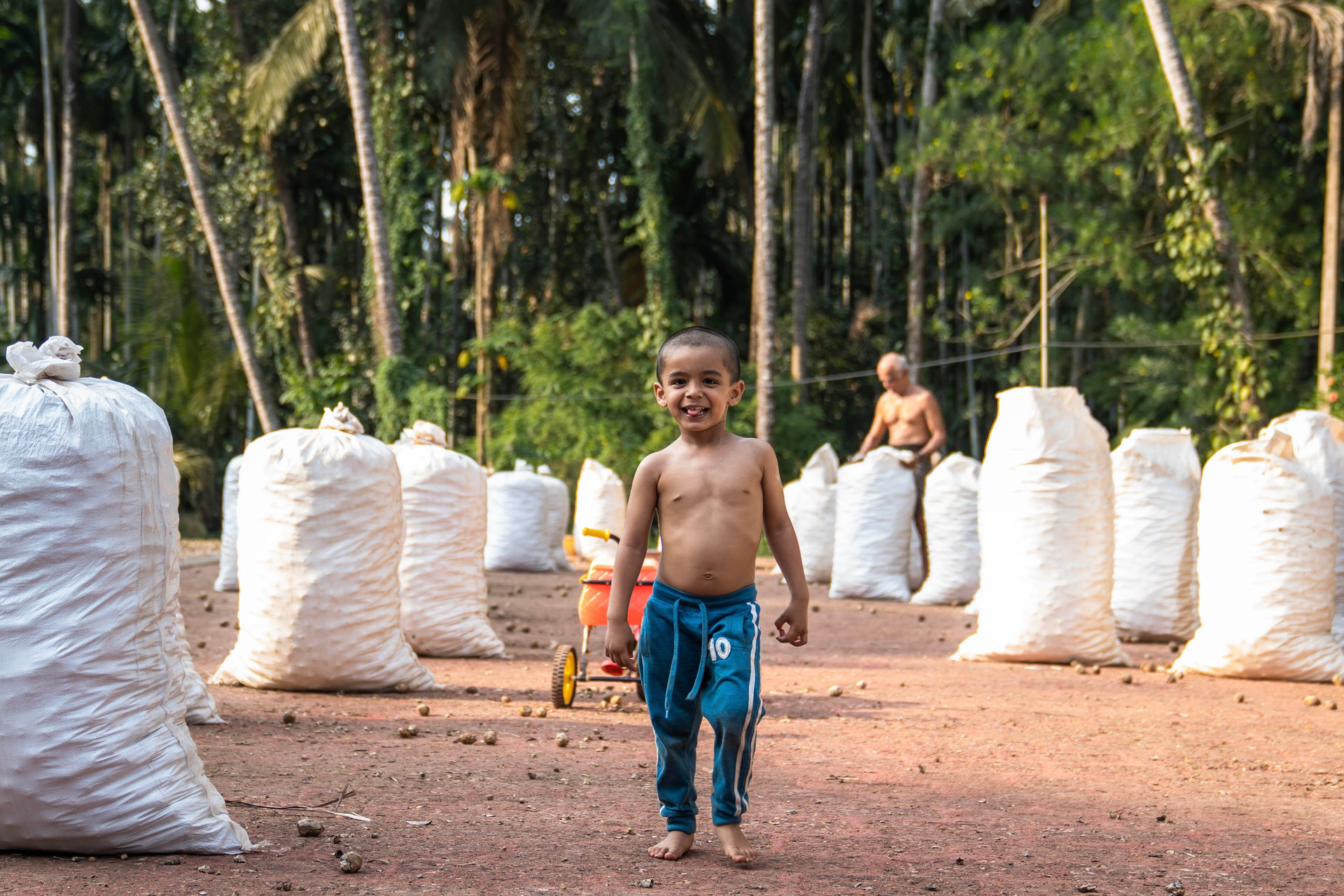
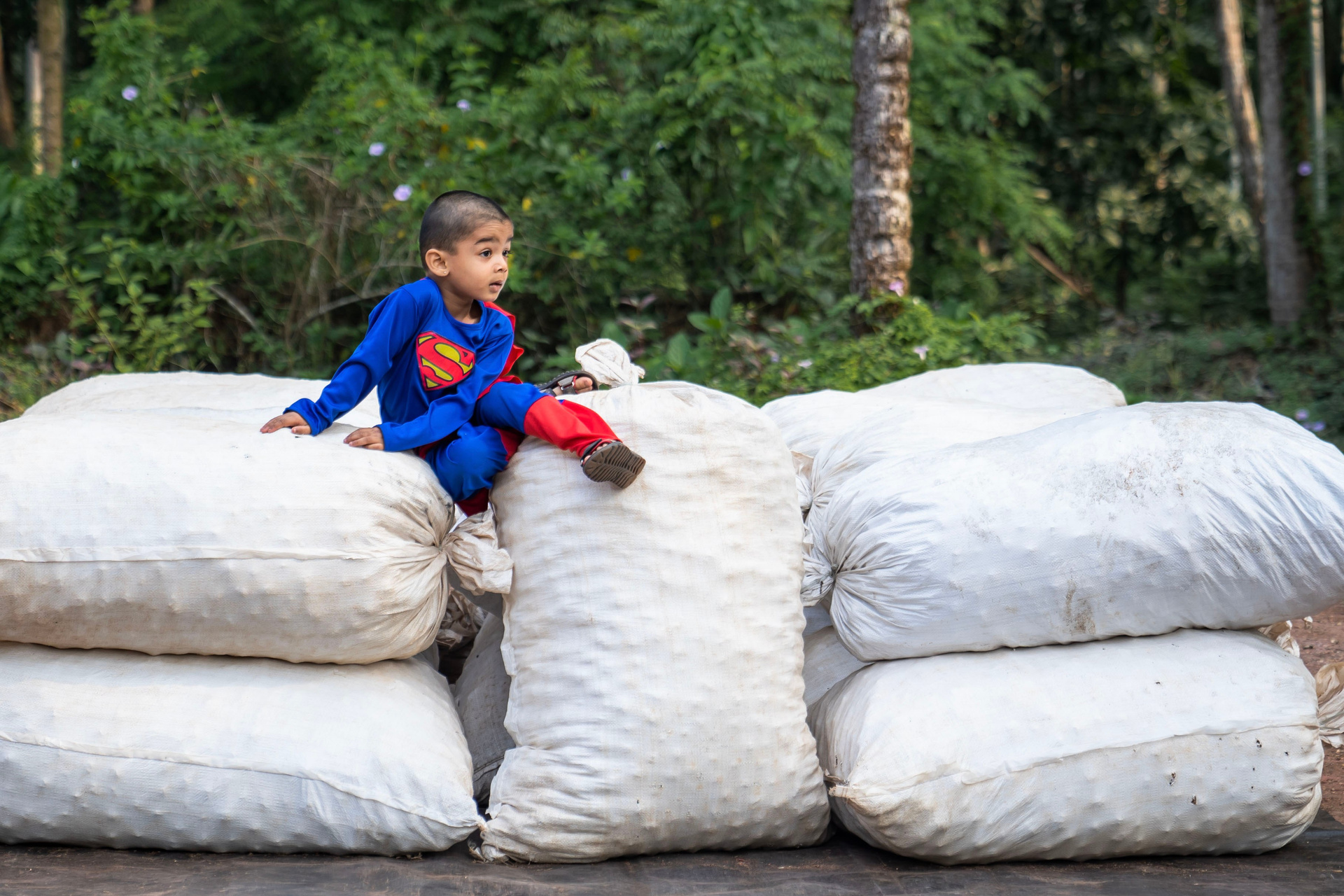
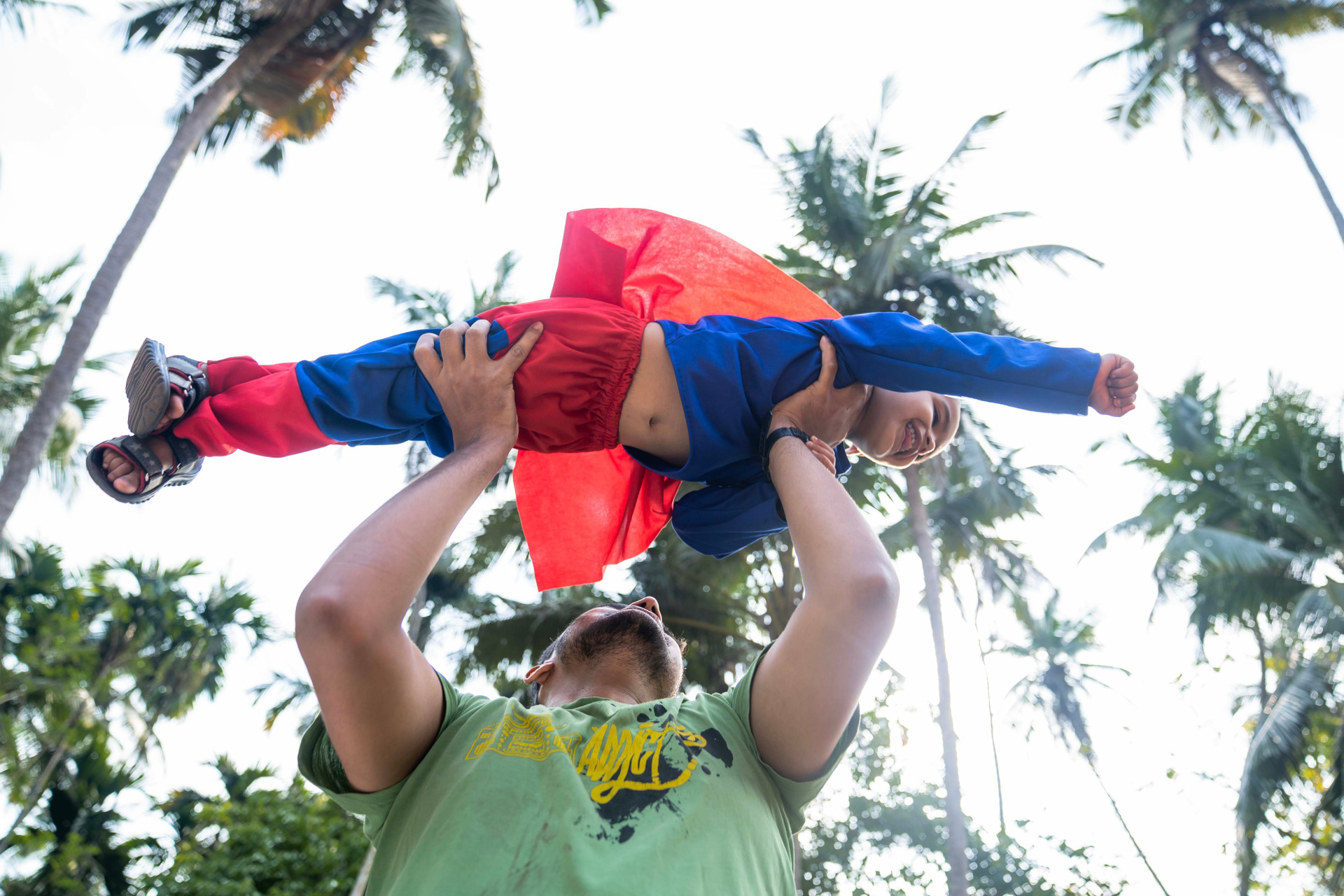
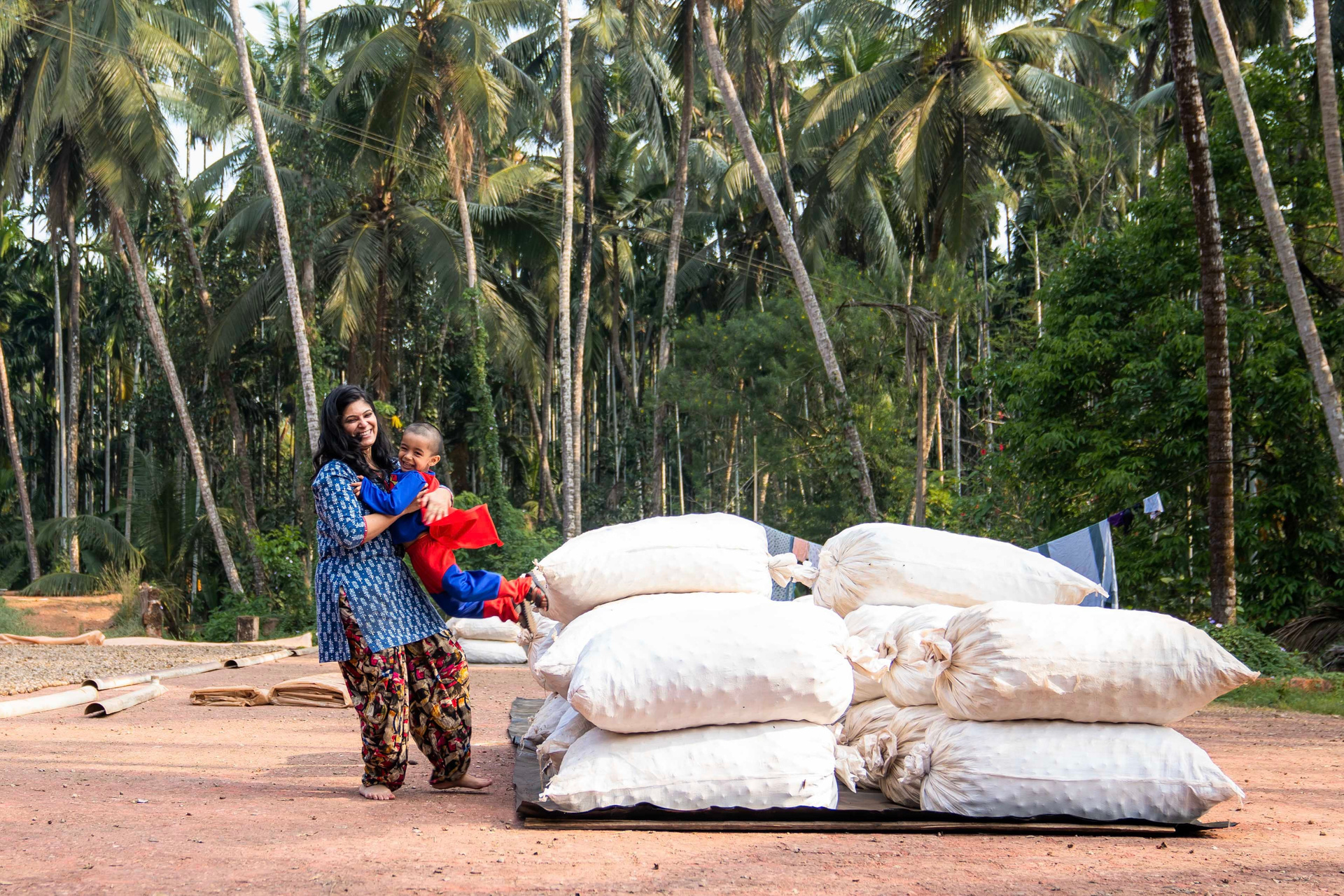
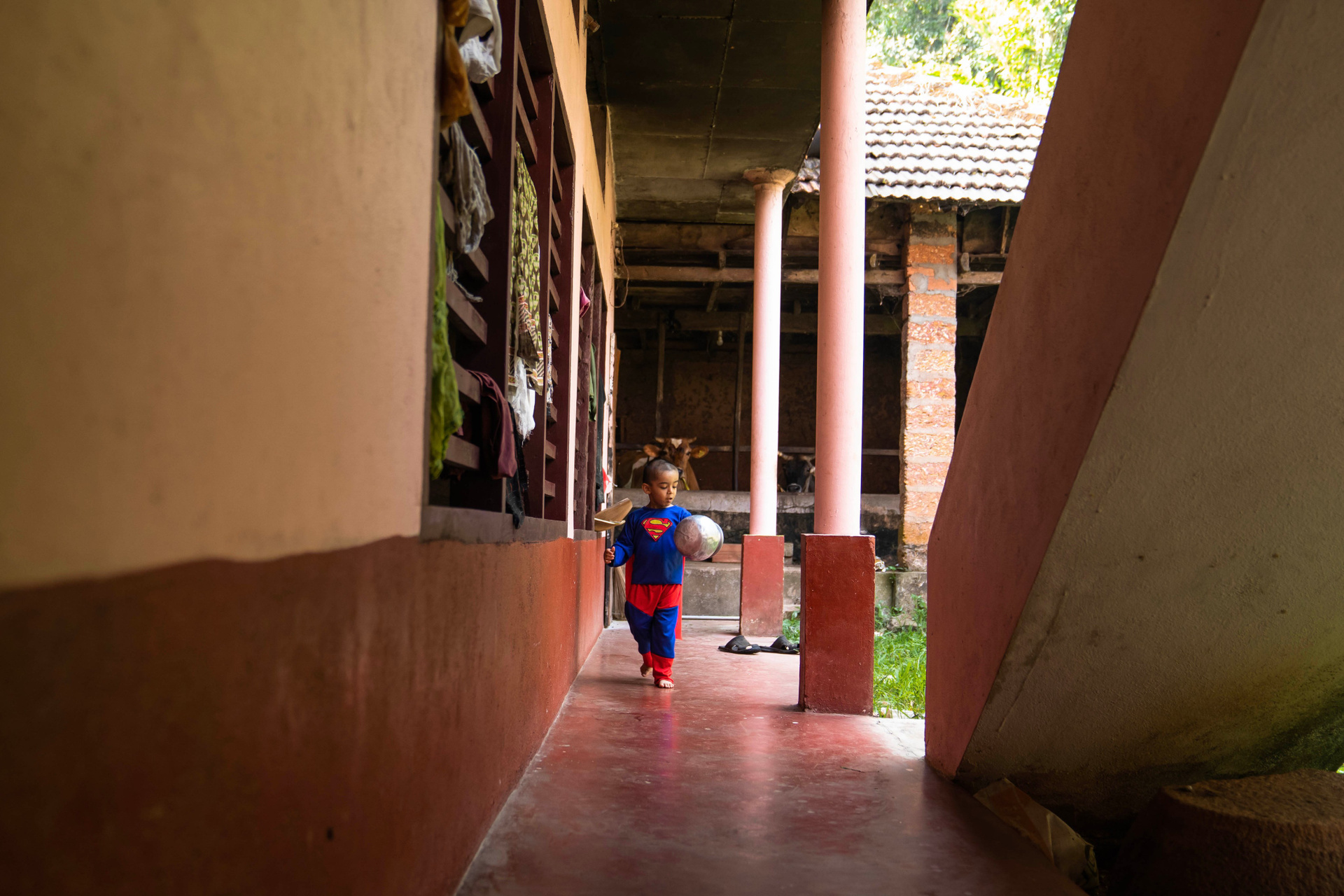
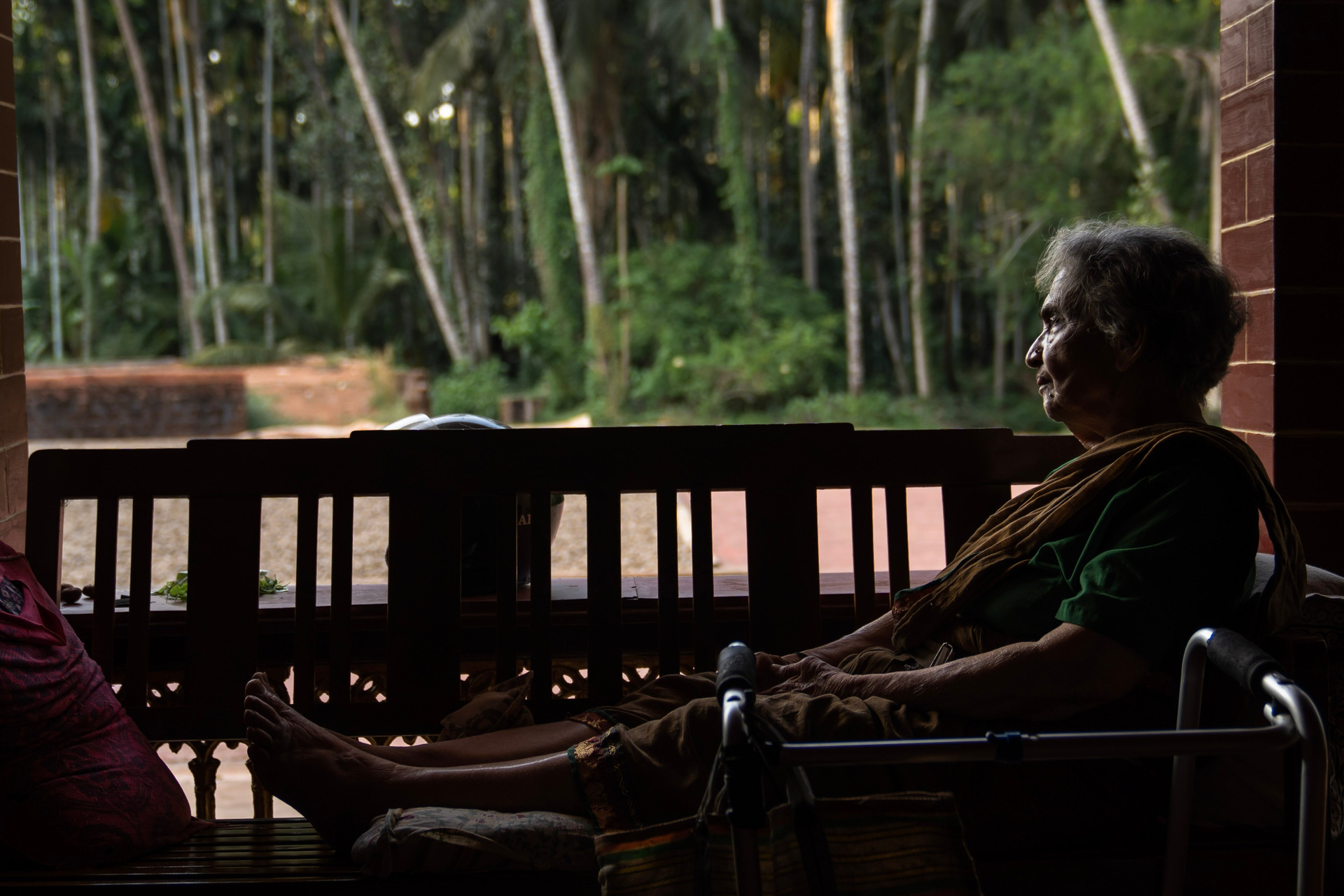
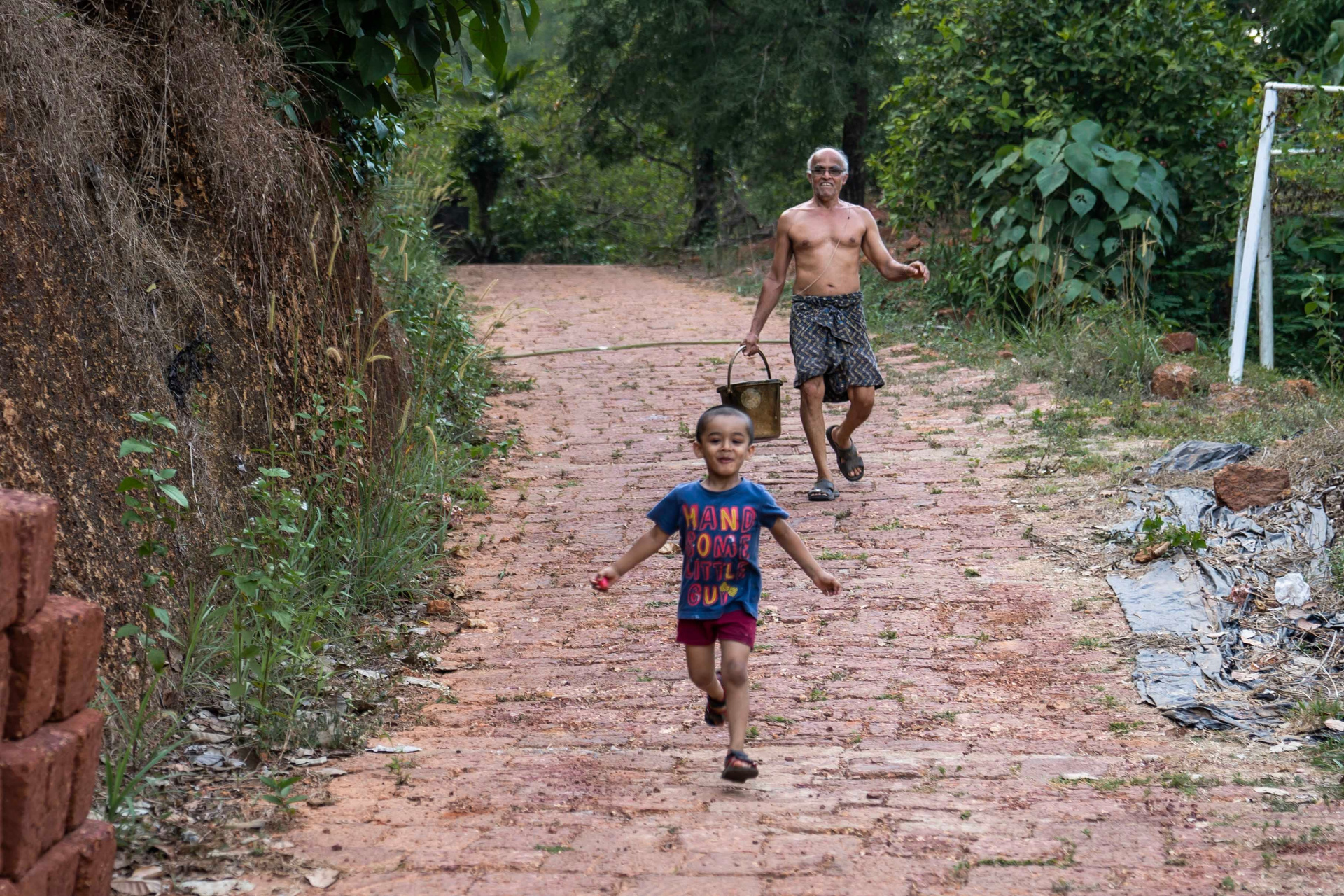
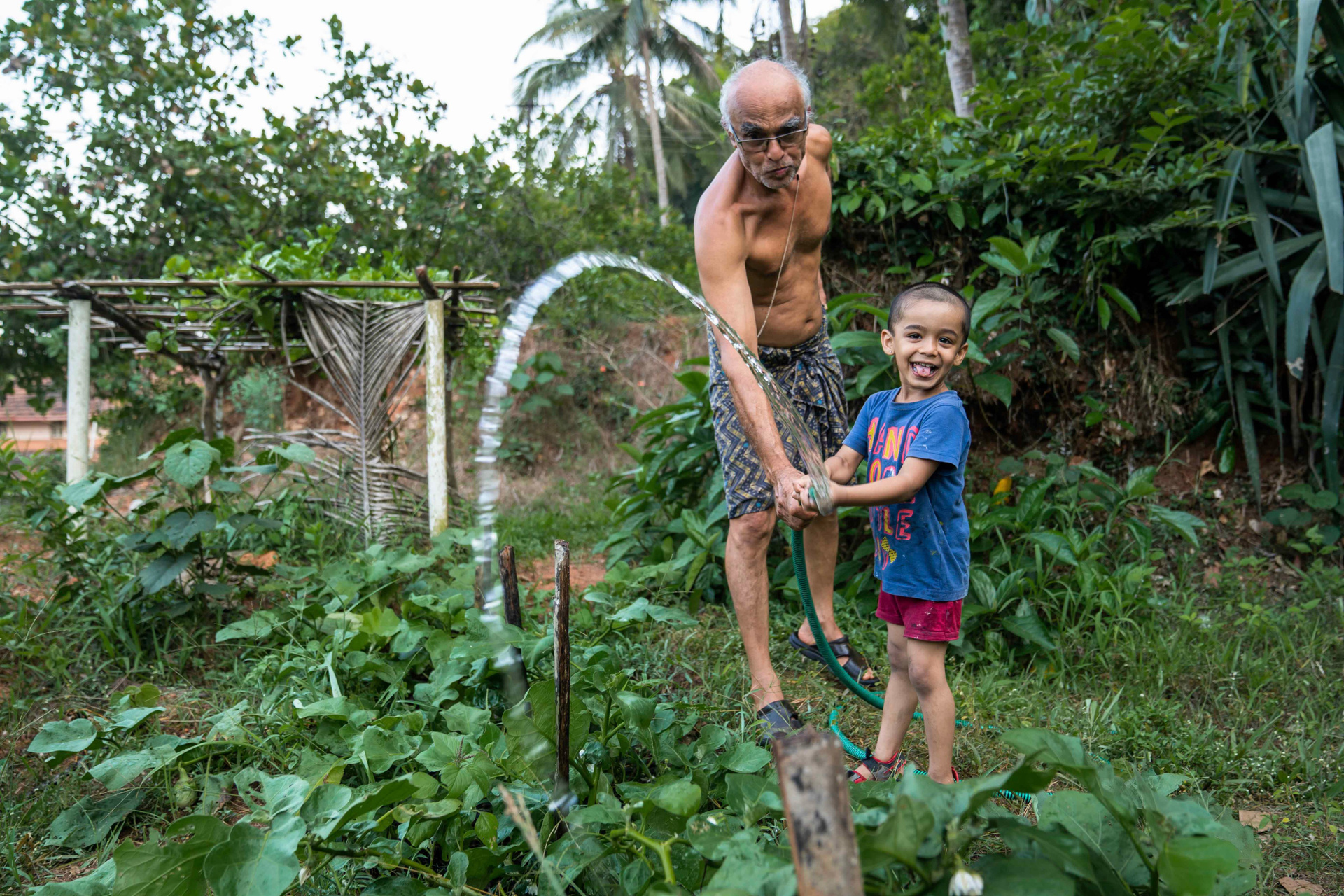
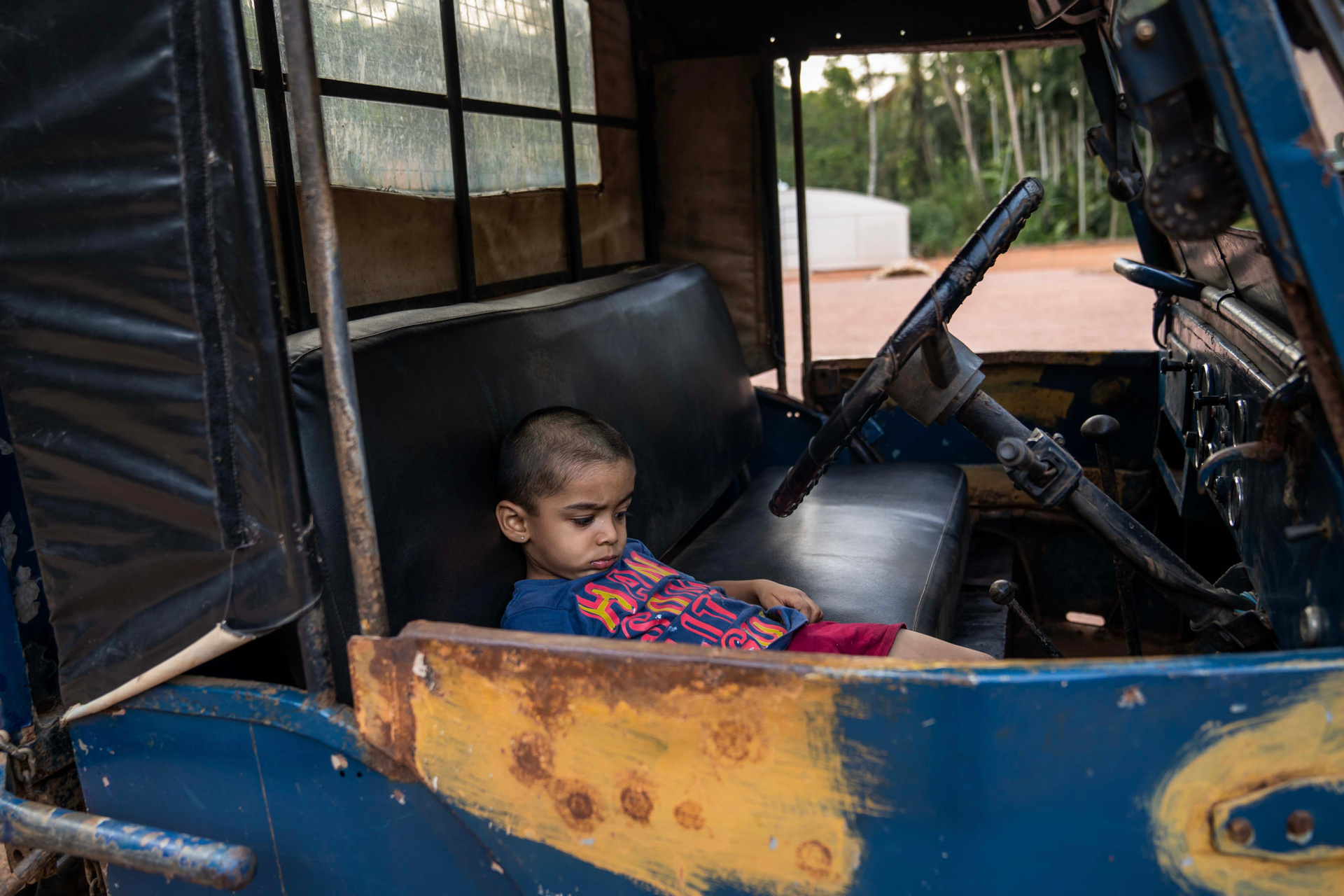
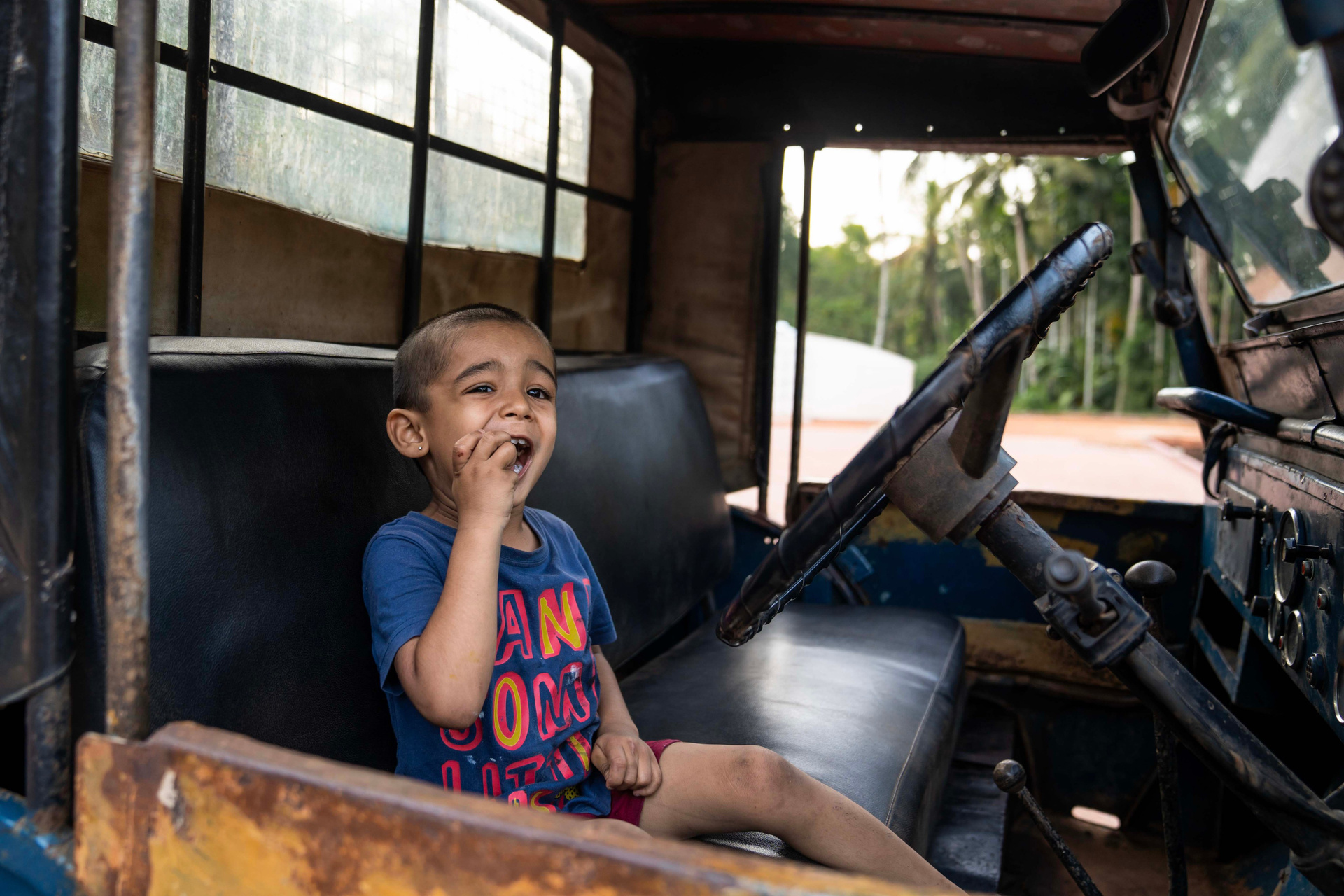
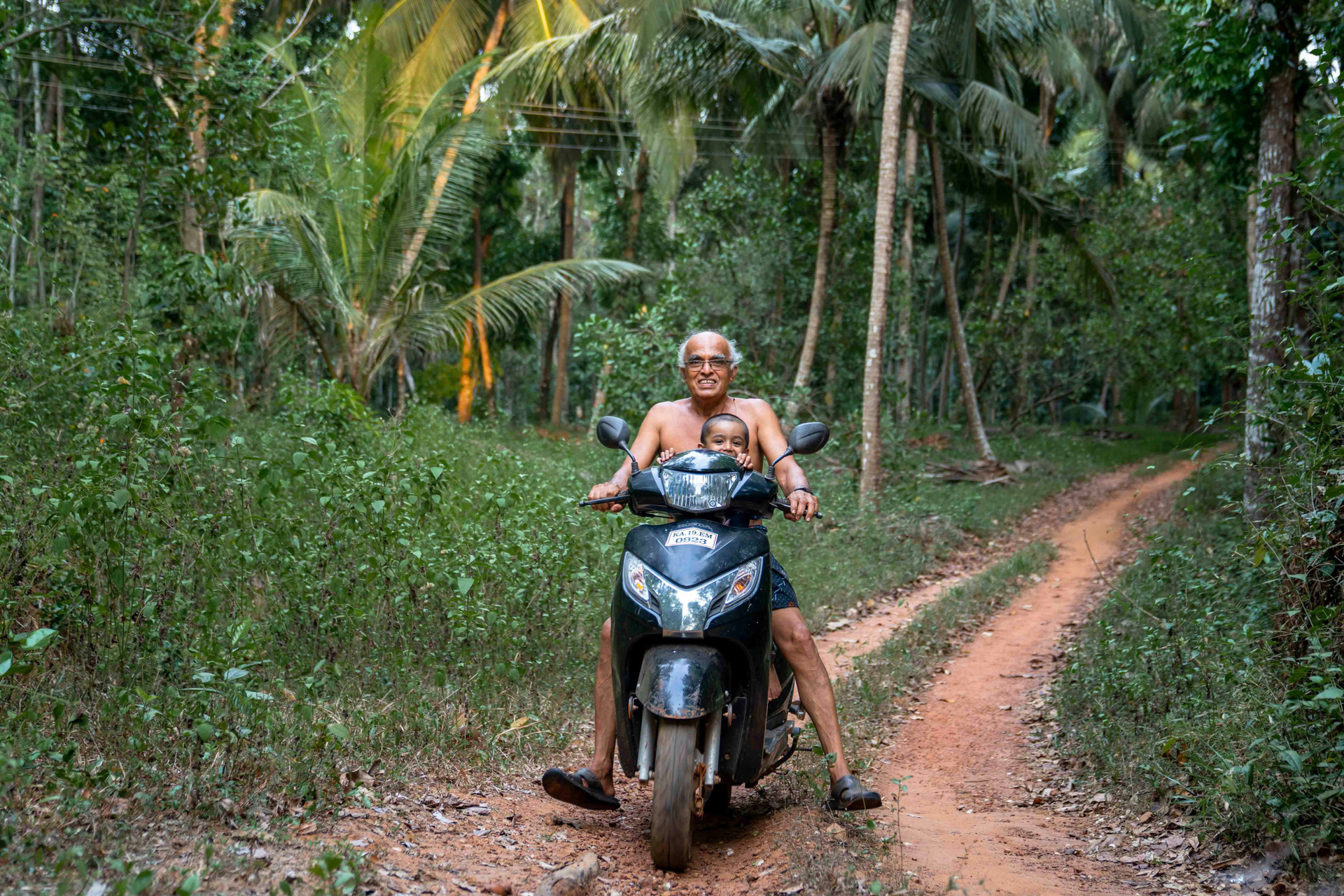
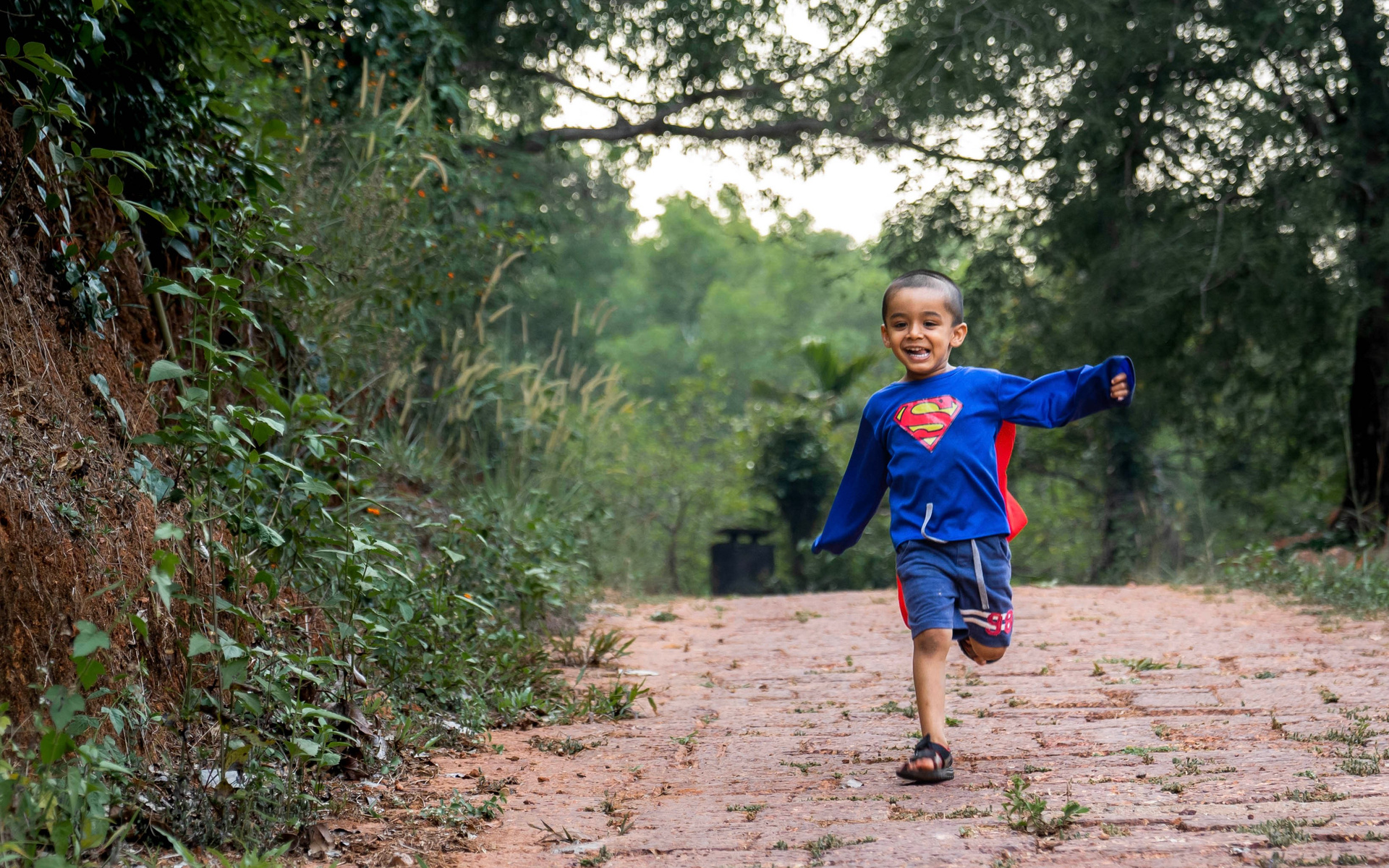
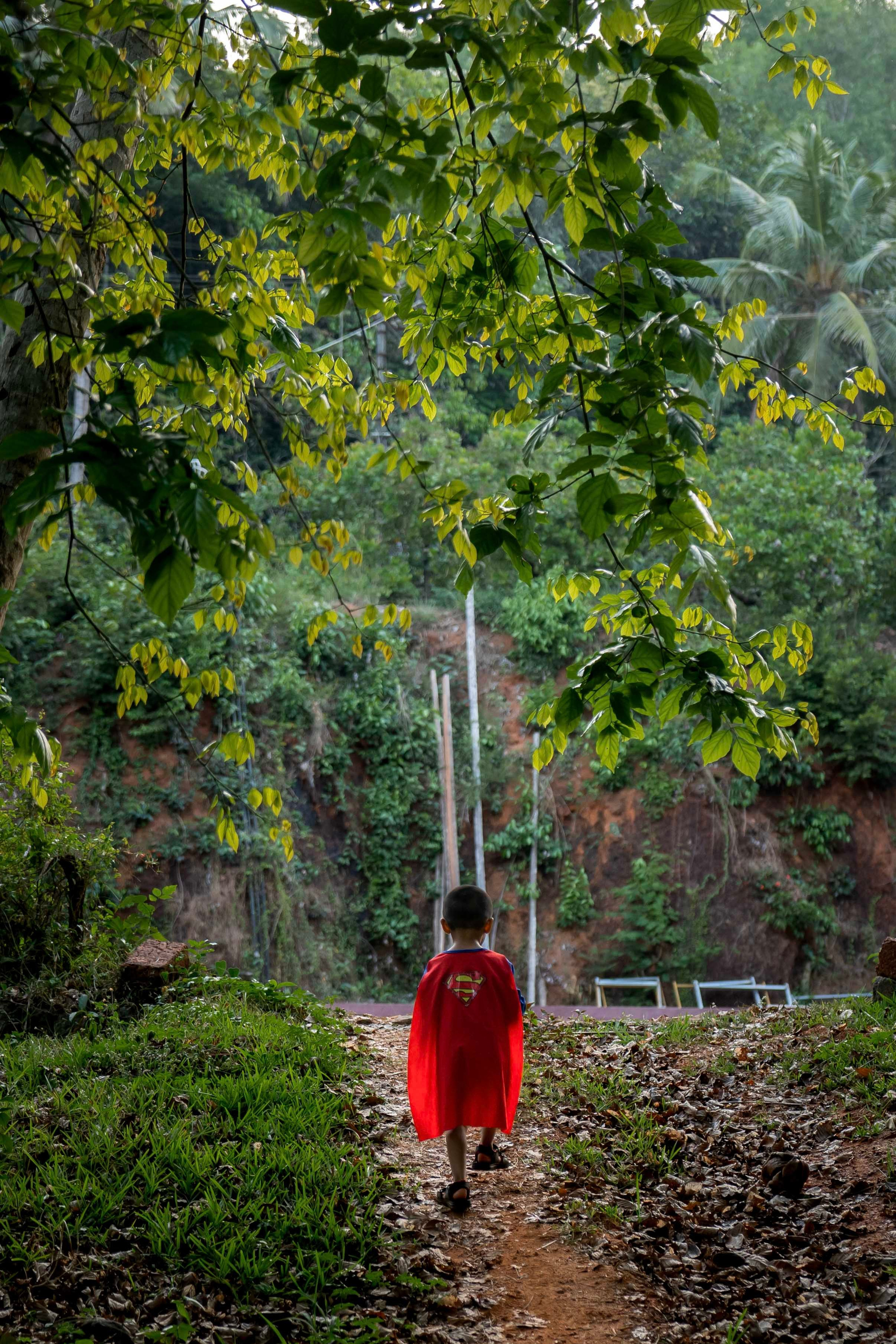
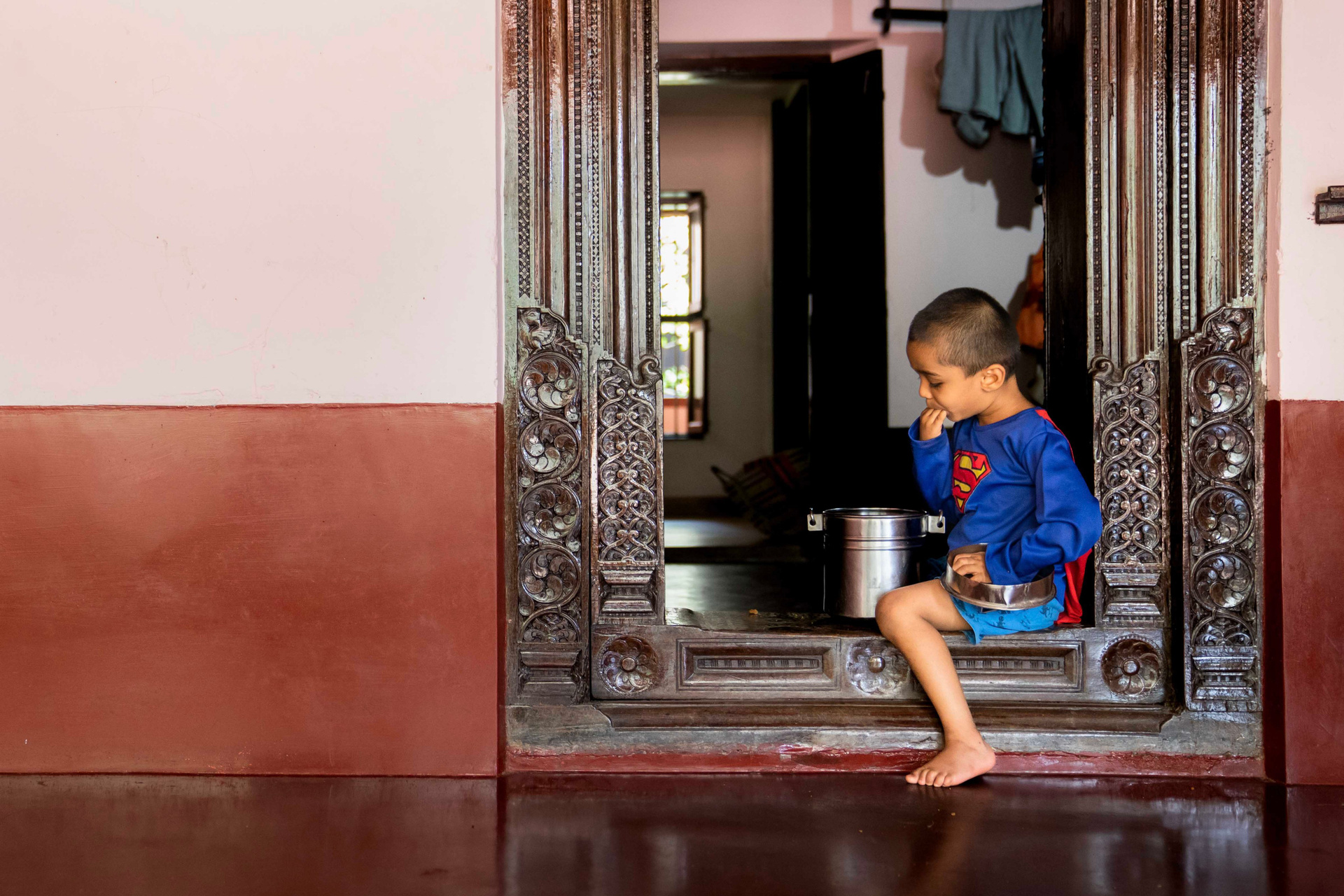
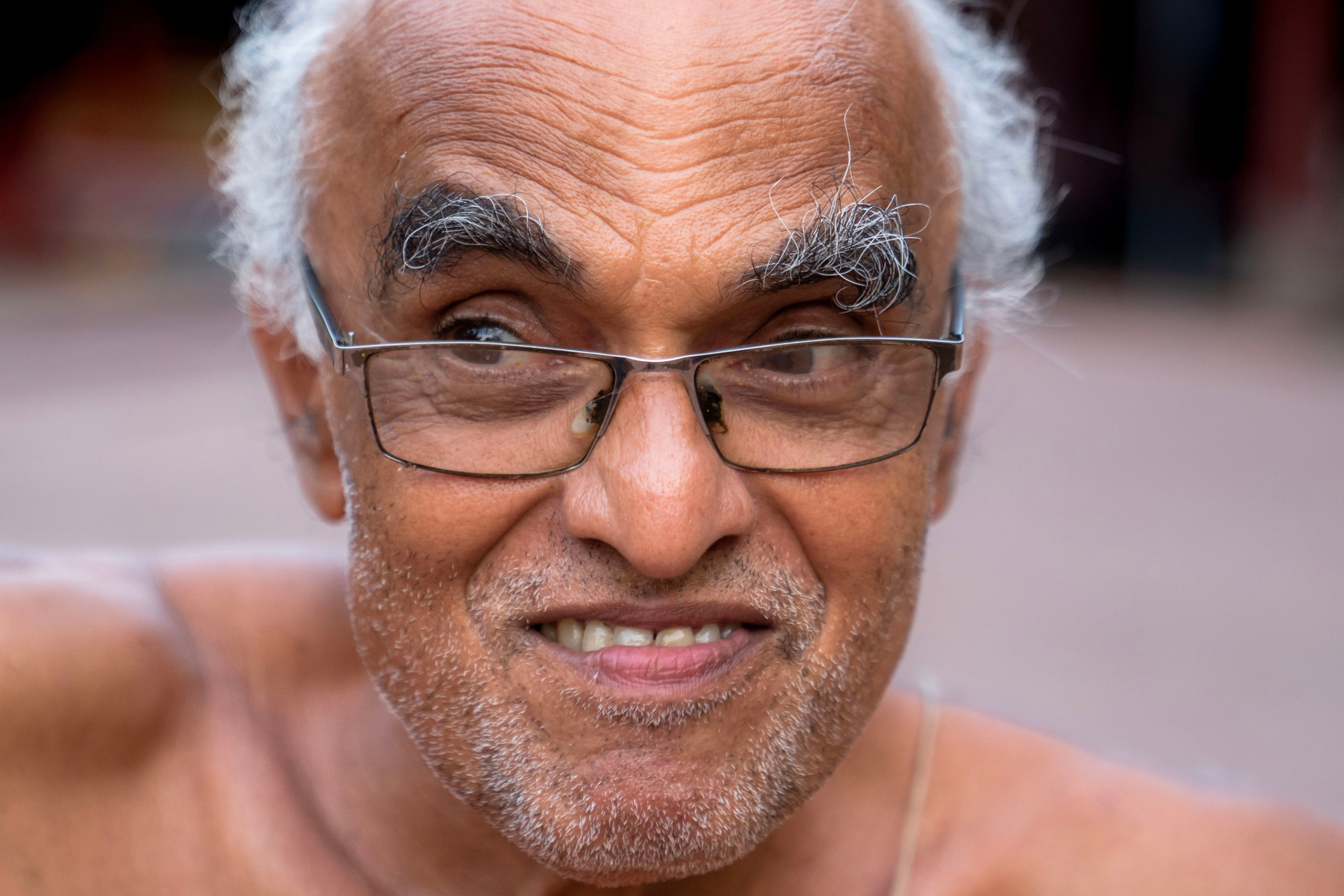
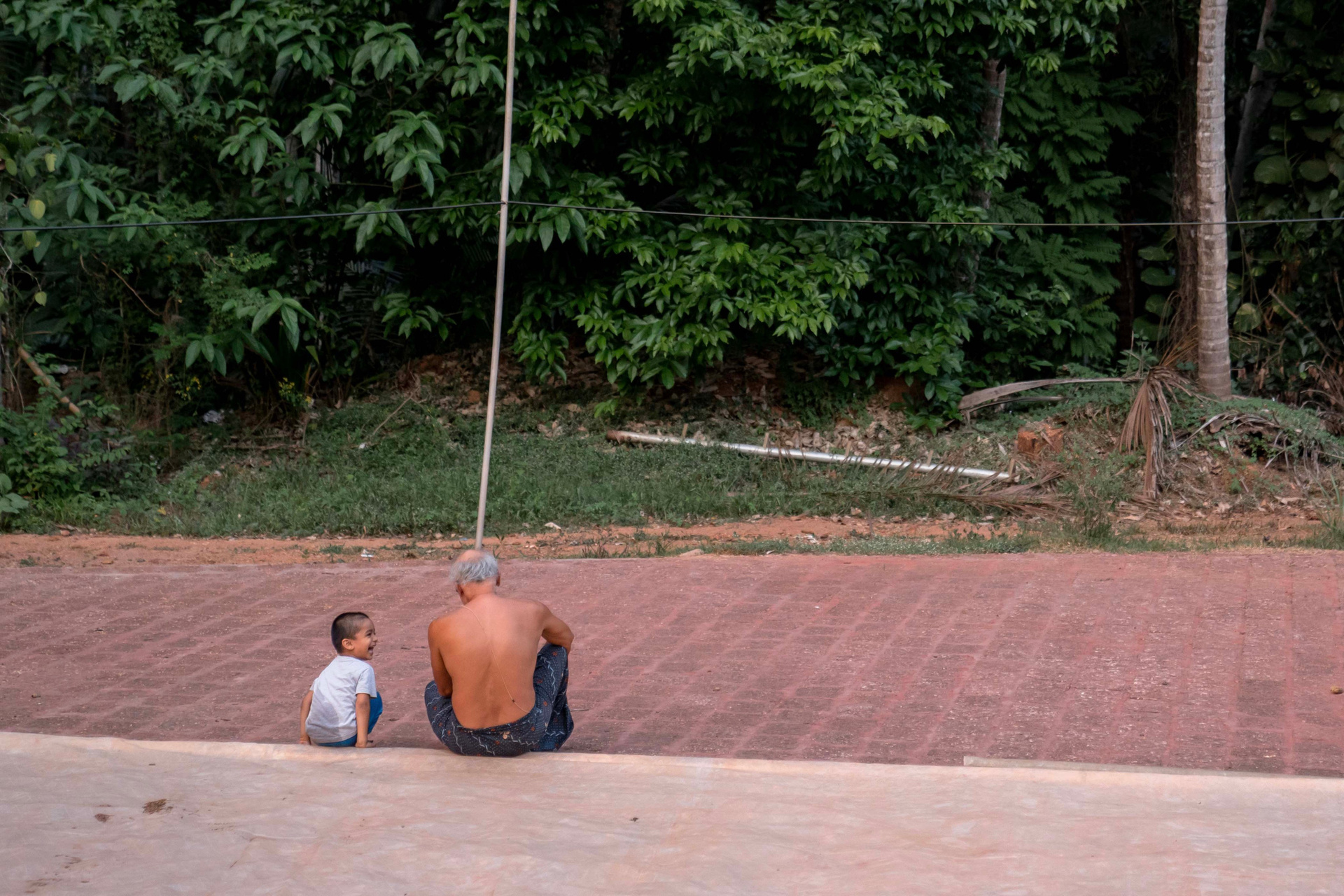
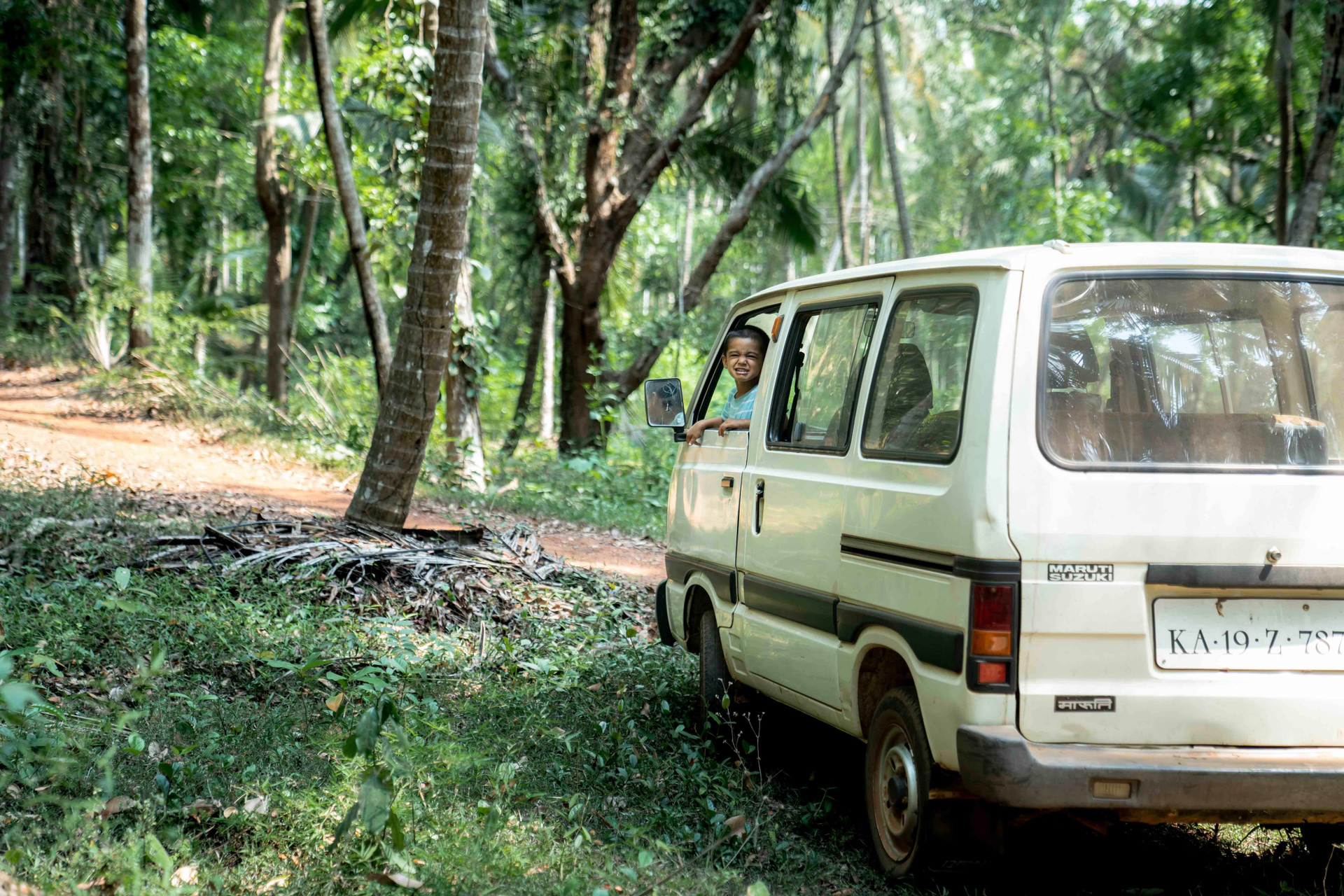
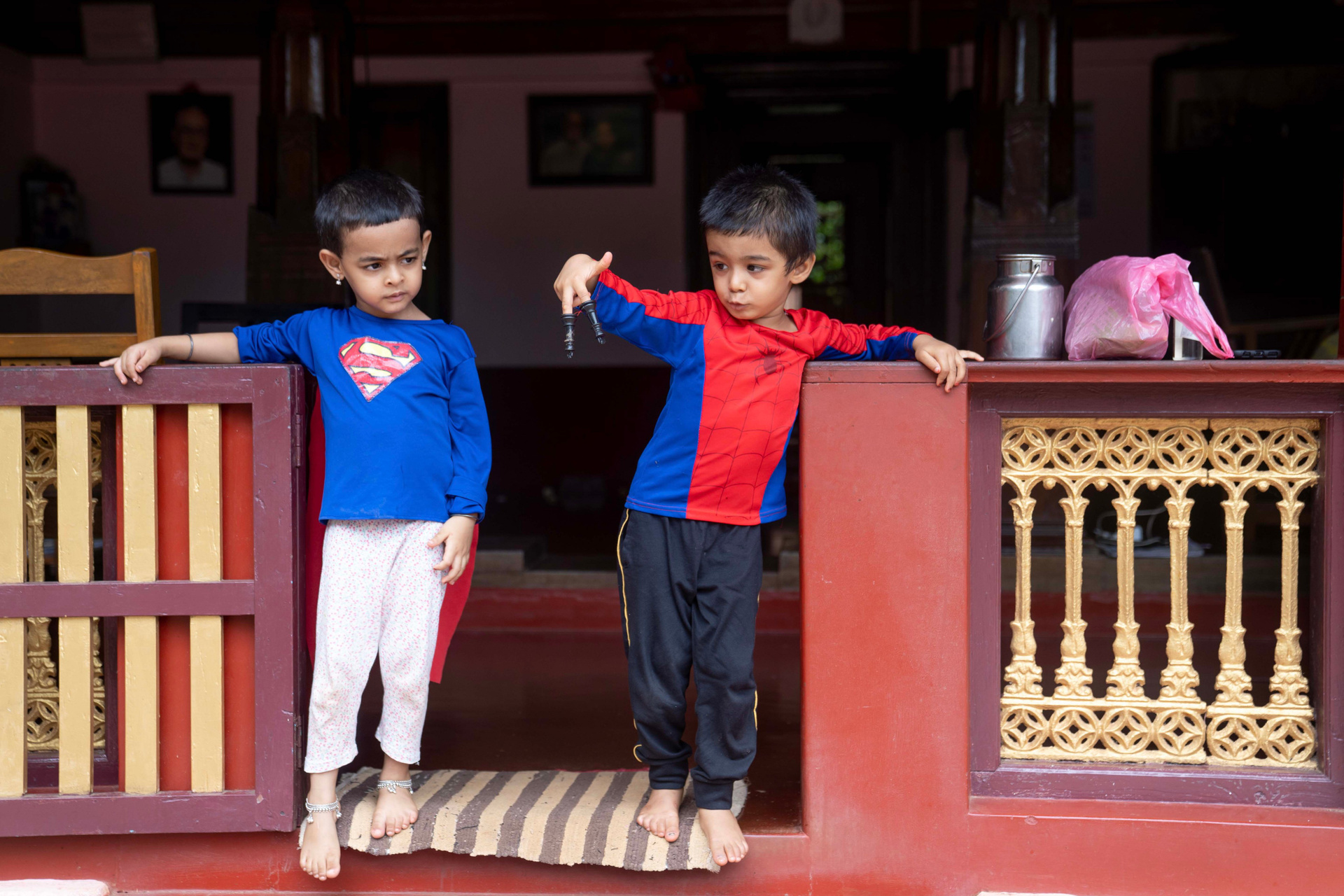
He met the cows in the shed at dawn. He met the wood-fire kitchen, and the way the whole house changes when the fire is lit. He met the areca harvest, the nuts raked out across the red-earth yard to dry, the white sacks stacked like hills he could climb. He rode in front of his grandfather on the old scooter down the plantation paths, and sat behind the wheel of the ancient farm truck that has not moved in years and drove it, in his head, everywhere. He wore a Superman cape for most of it. He ran the corridors of a house older than anyone alive in it, past the carved doorways and the cows and the grandparents, cape flying, on urgent business only he understood.
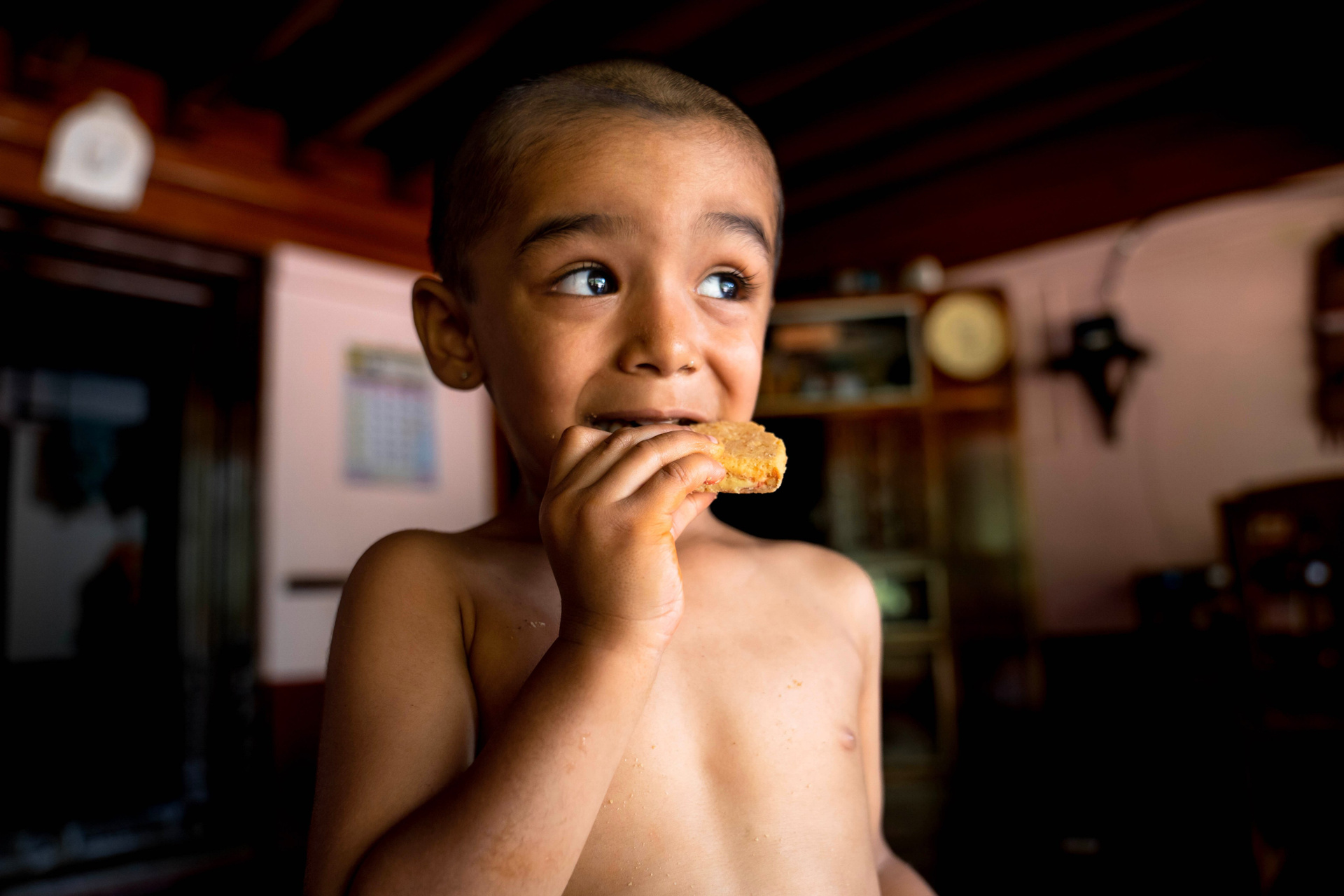
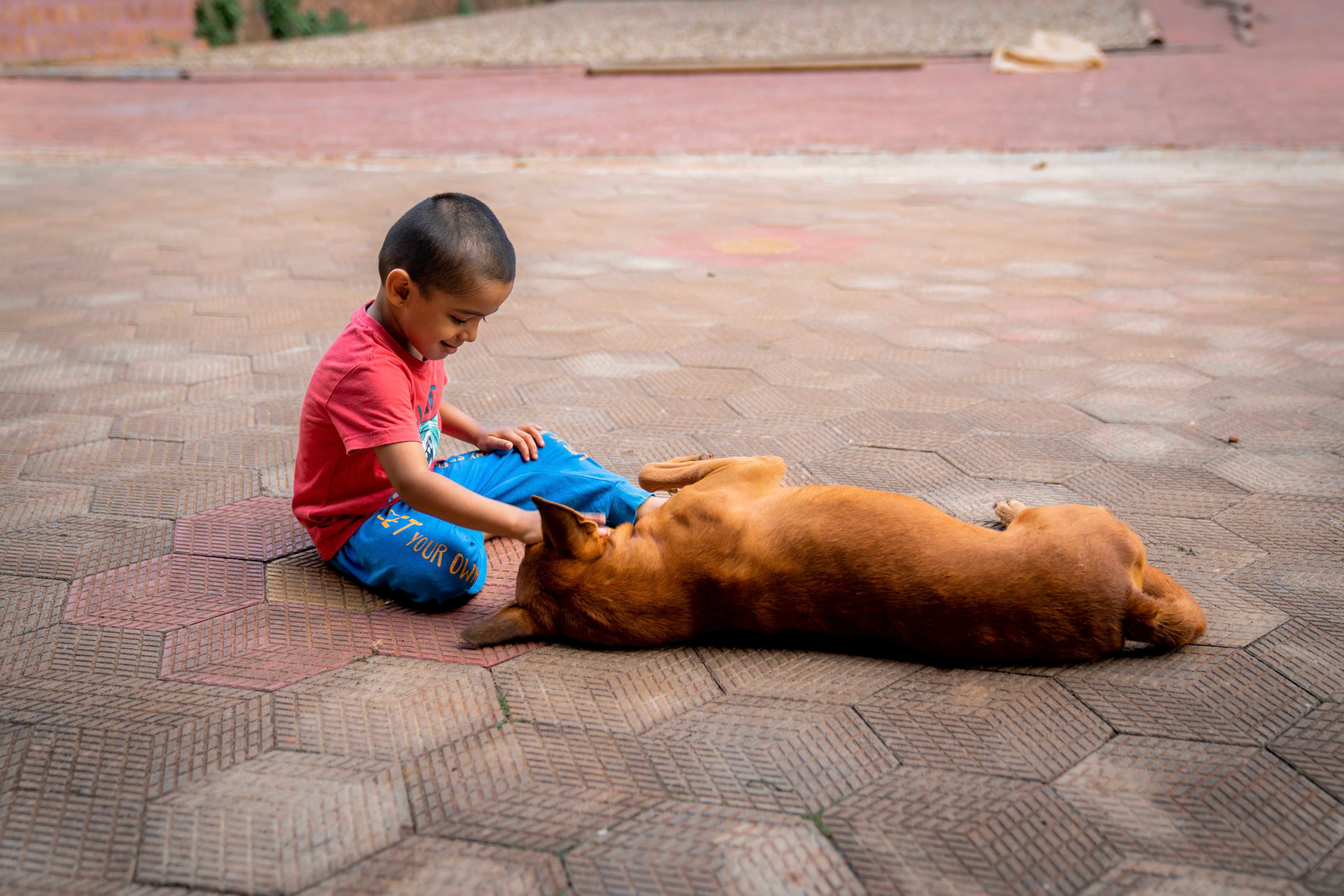
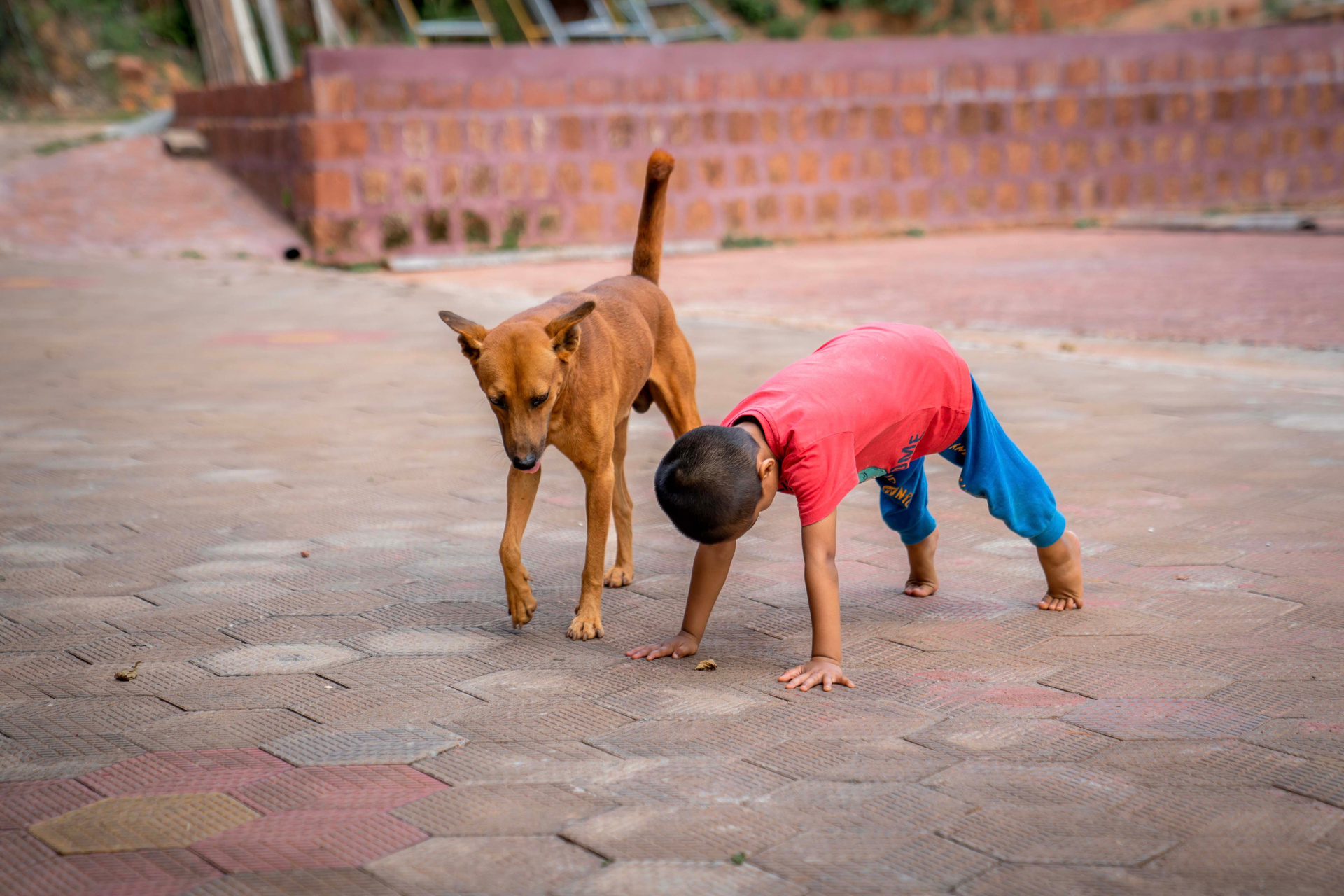
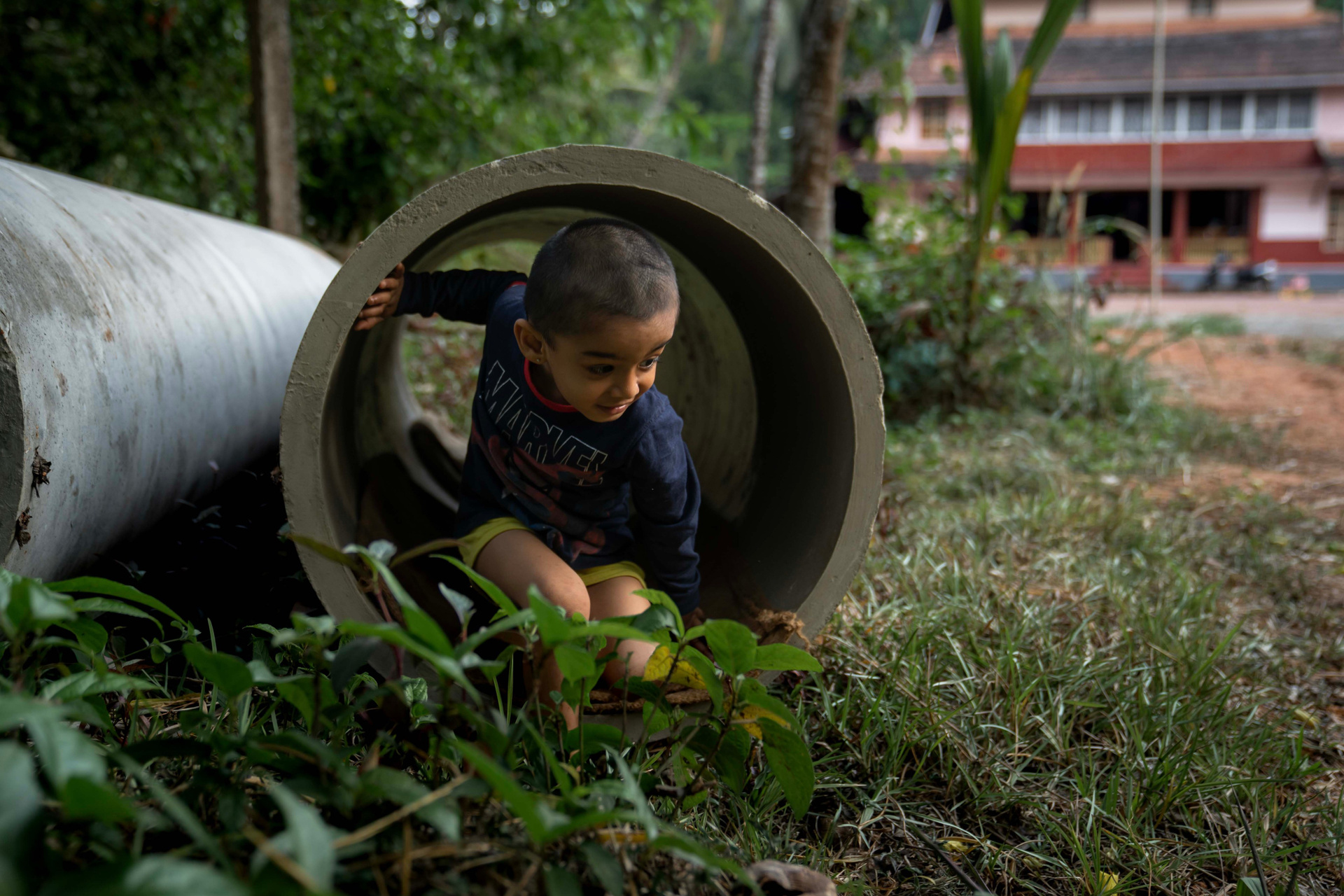
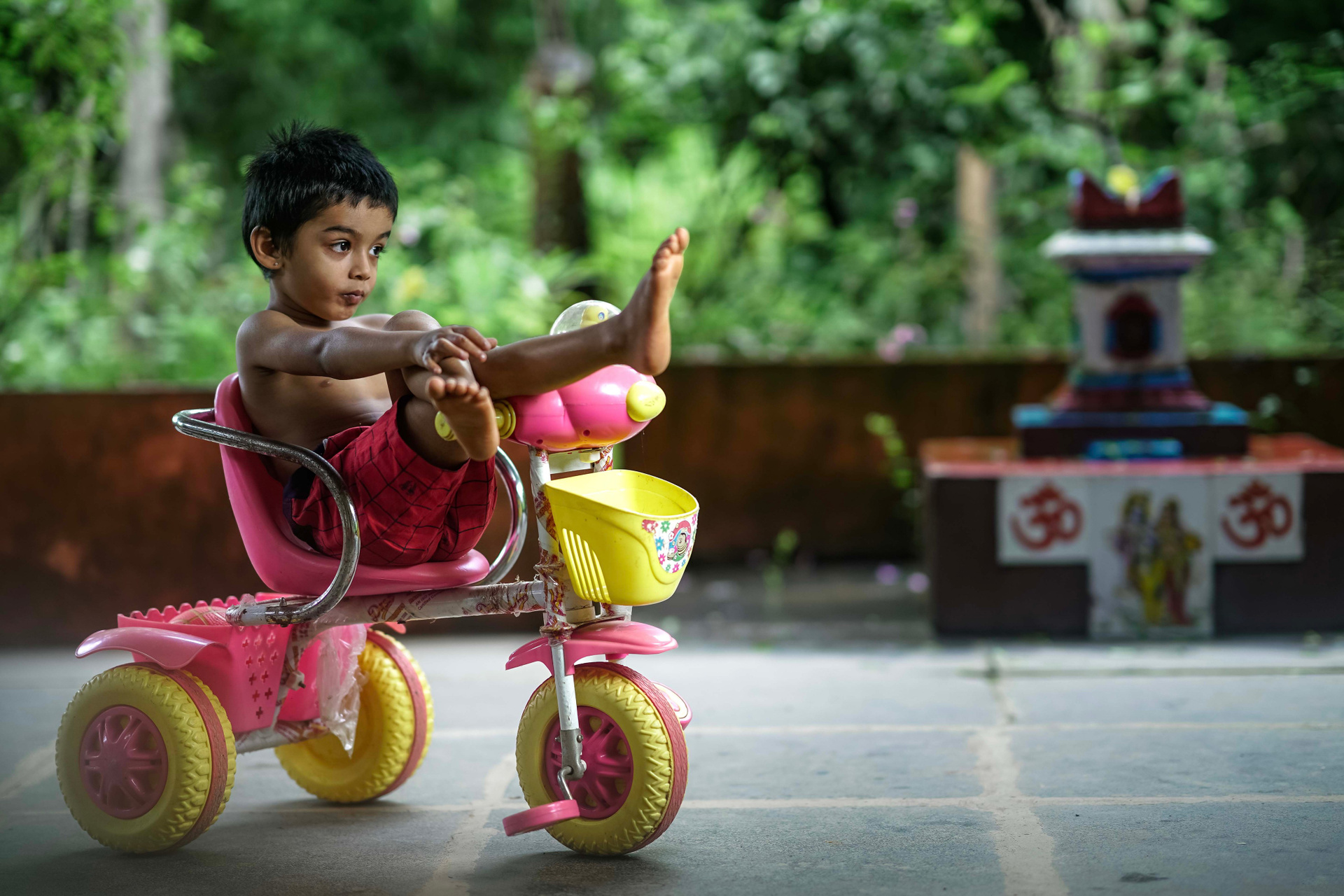
Here is what caught me off guard. I have photographed Padaru my whole life. I know its light, its corners, the exact green of it after rain. And still, watching him, I saw it new. He had no nostalgia to get in the way, only curiosity. He looked at the ordinary things, a pipe in the garden, a sleeping dog, a puddle of rain, as if they were the most interesting things ever made. And they were, when he looked at them.
That is the whole of what I try to do at a wedding. Walk into a place thick with history and habit, and see it as if for the first time. My son did it without trying. He reminded me how.
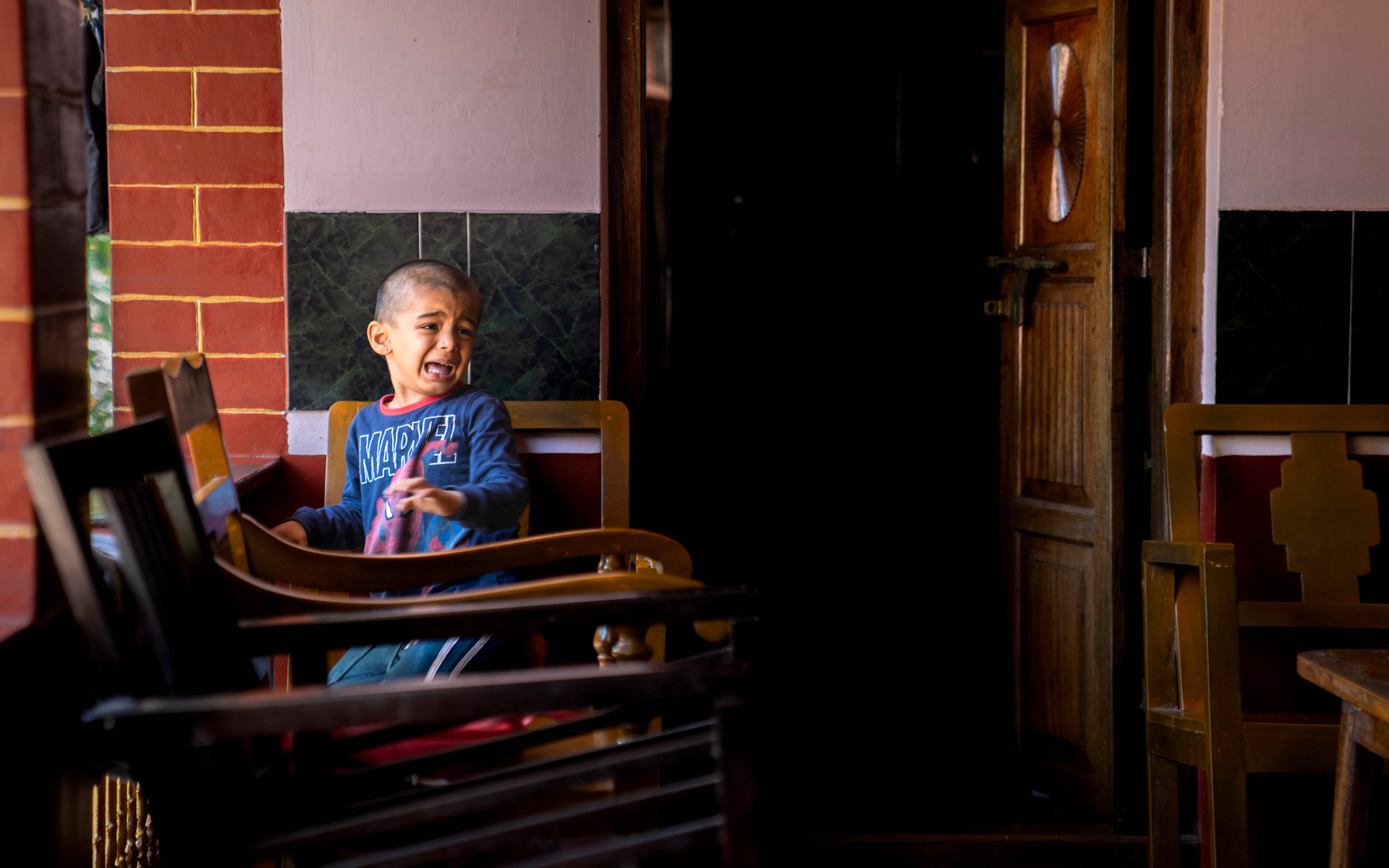
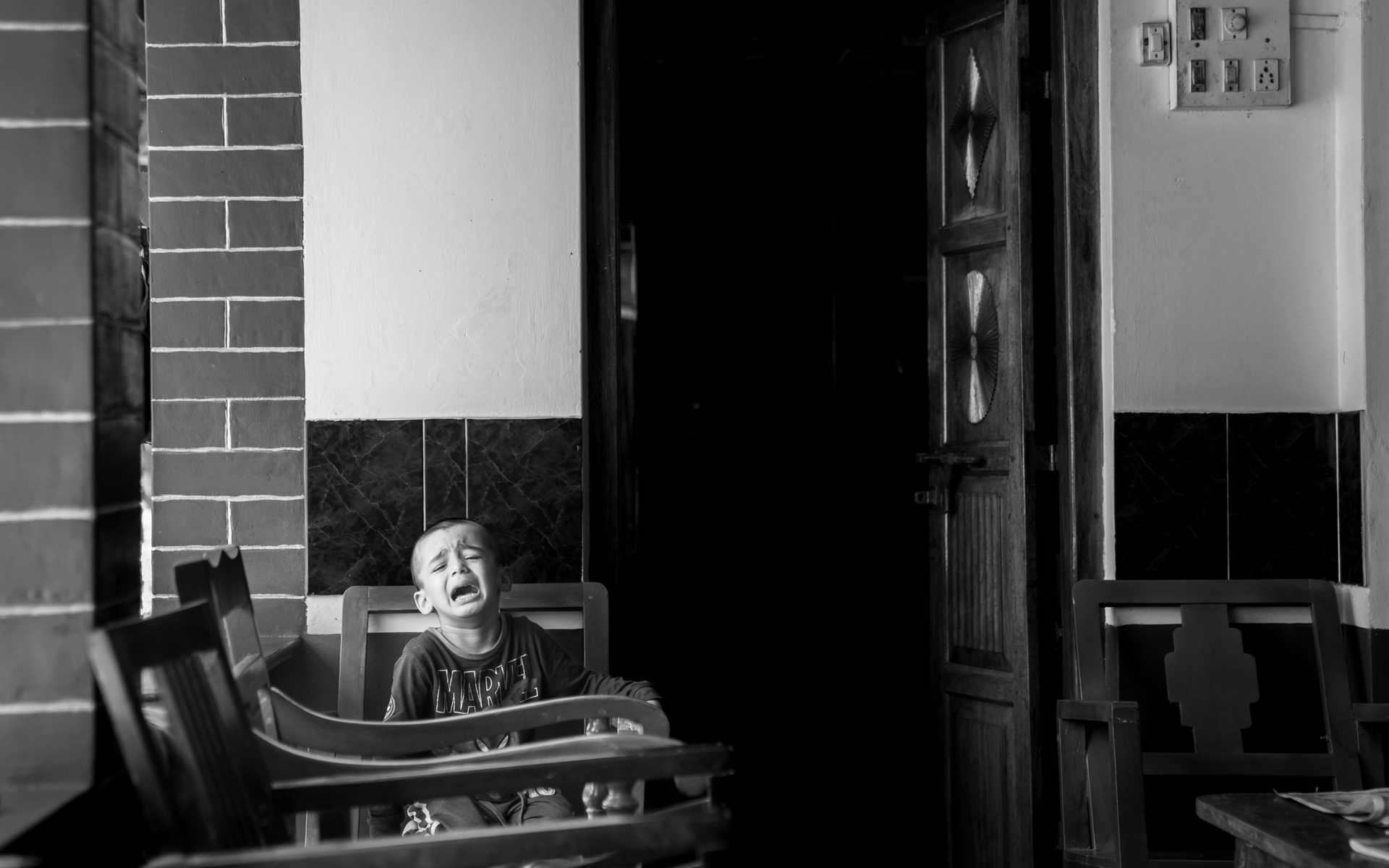
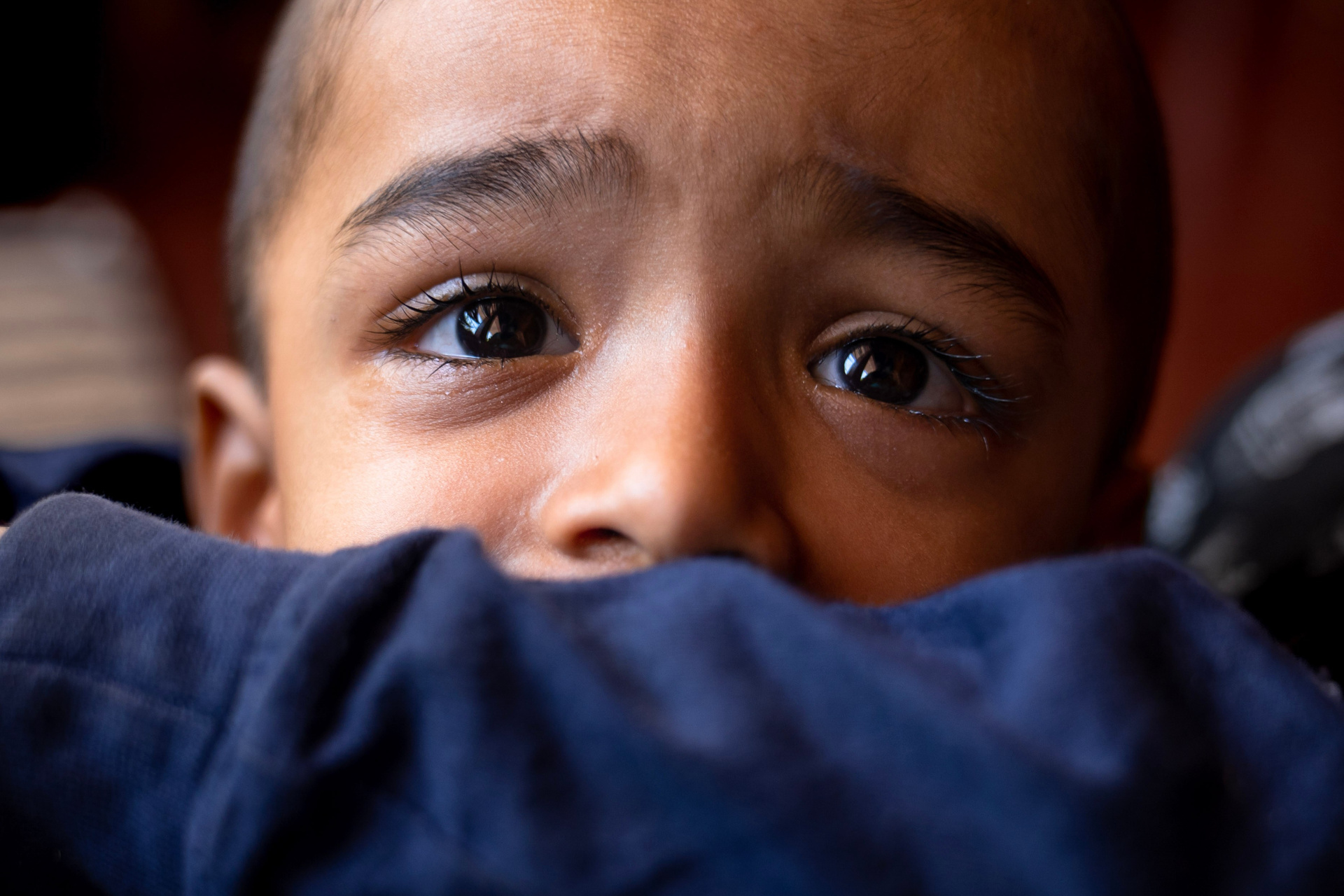
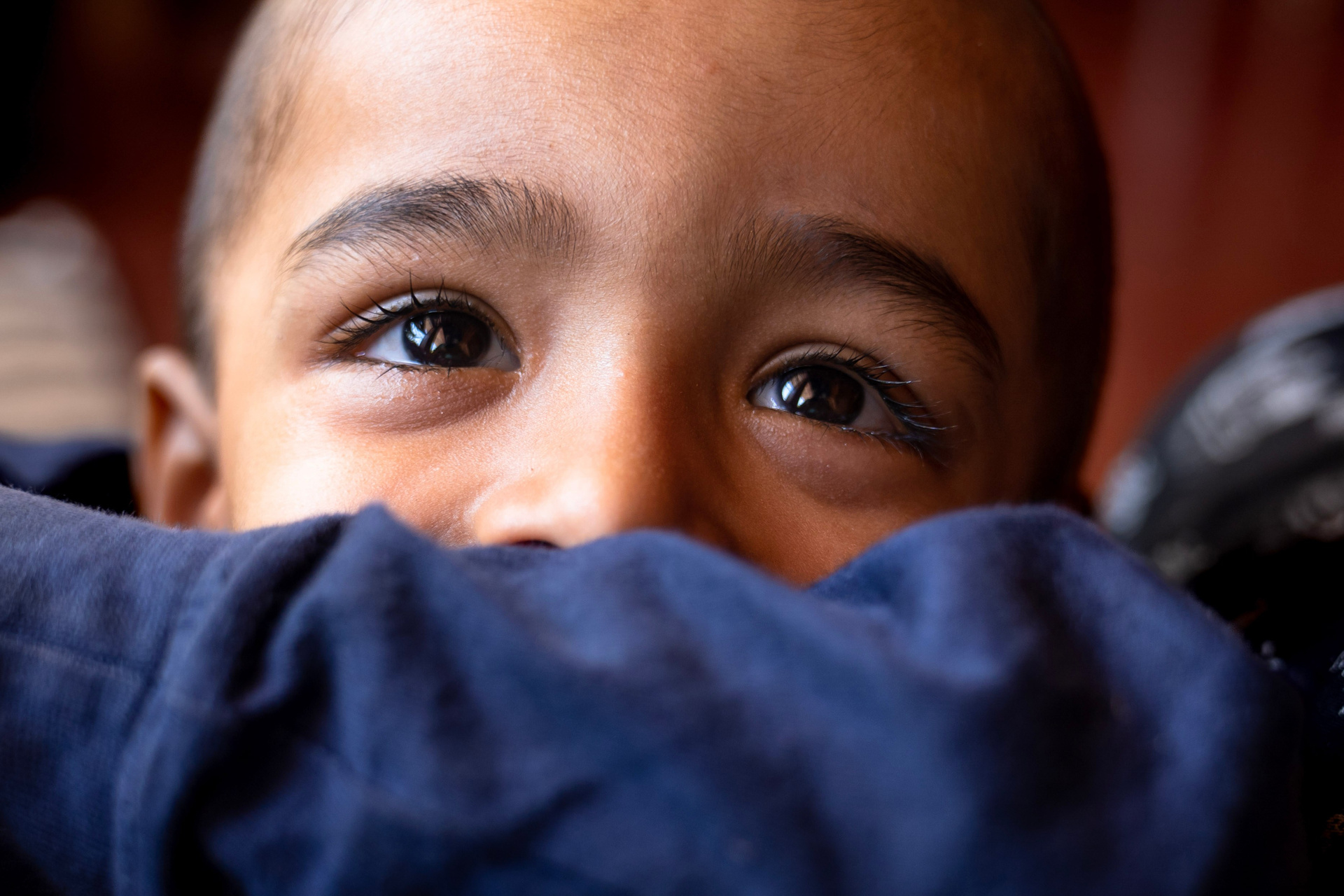
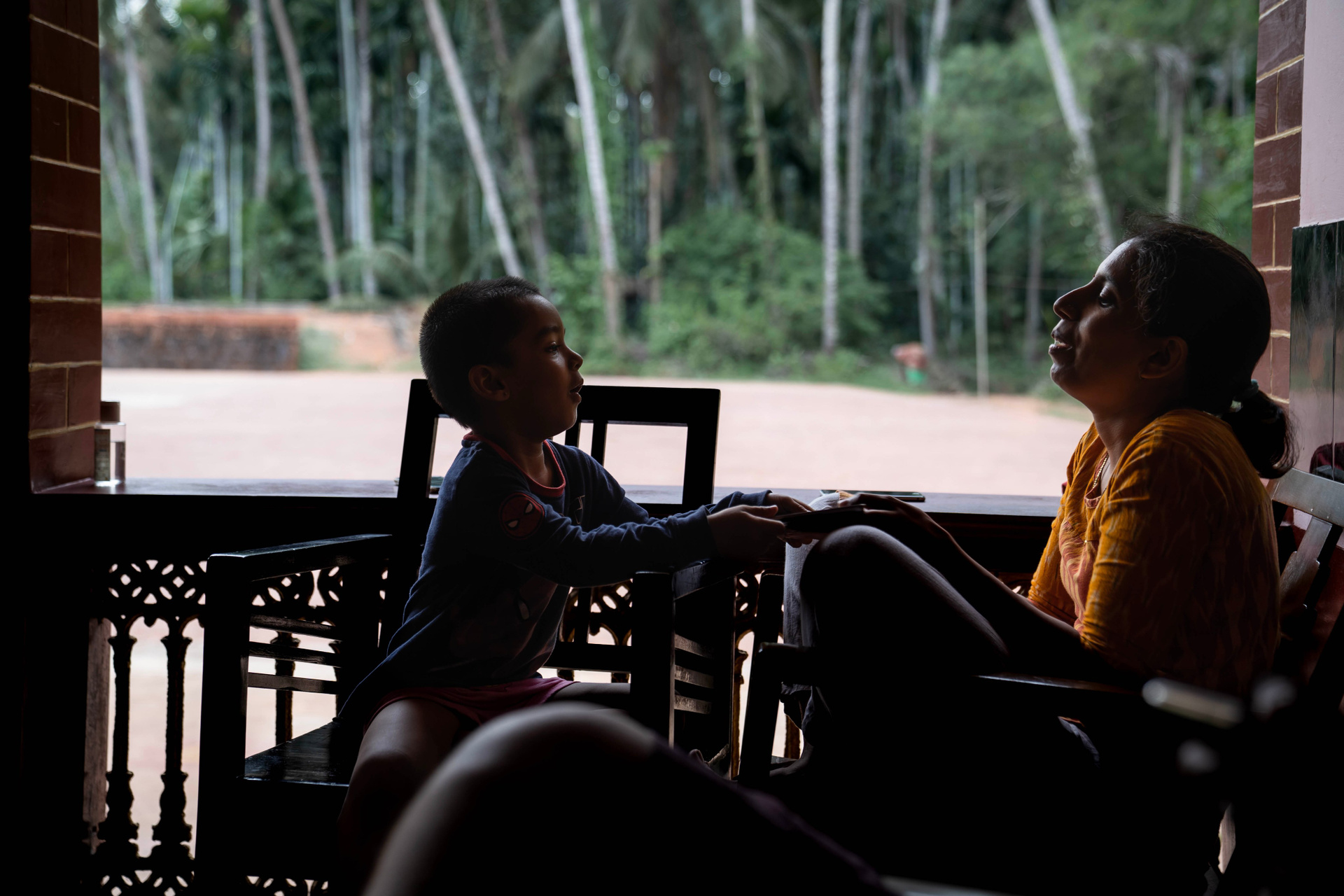
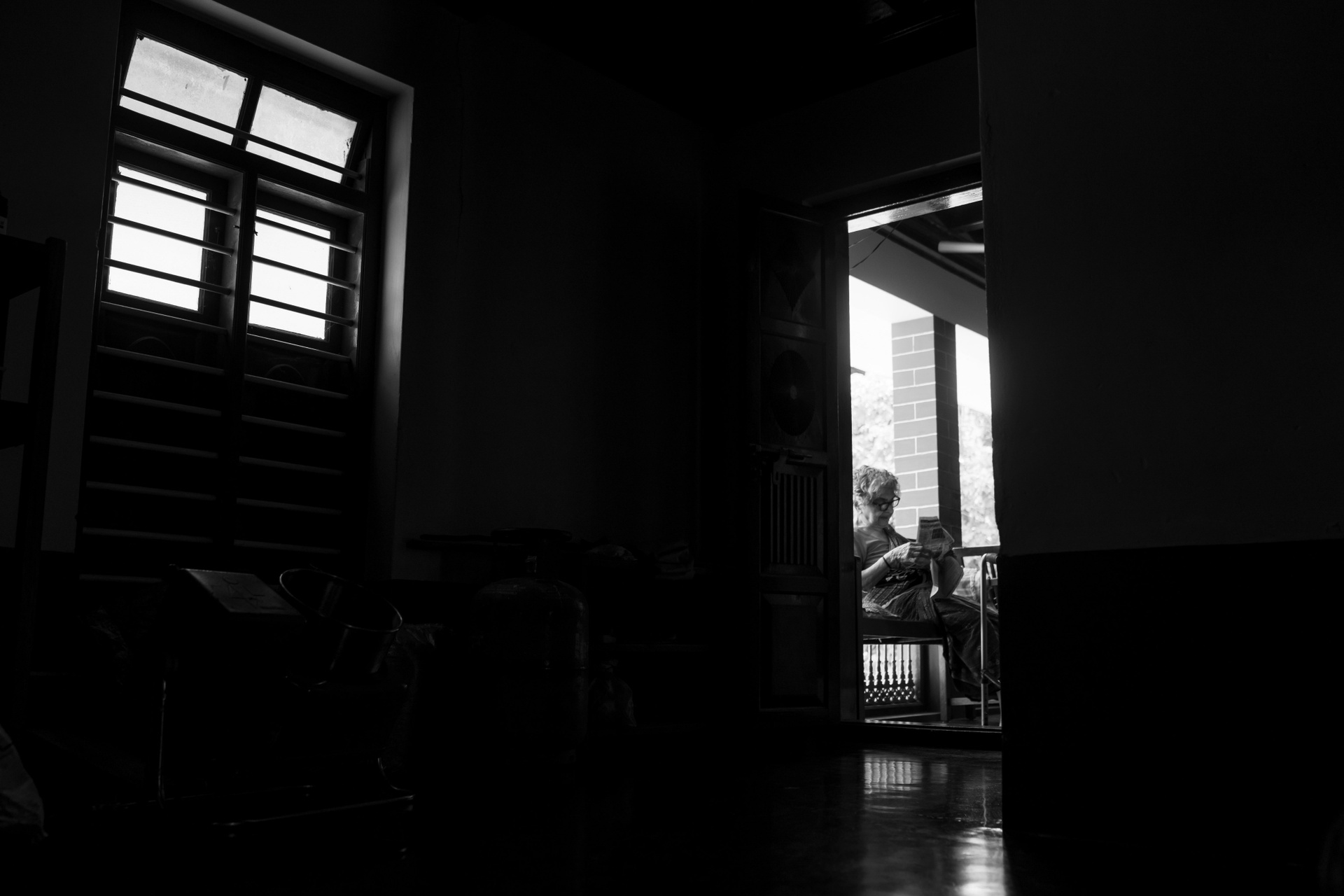
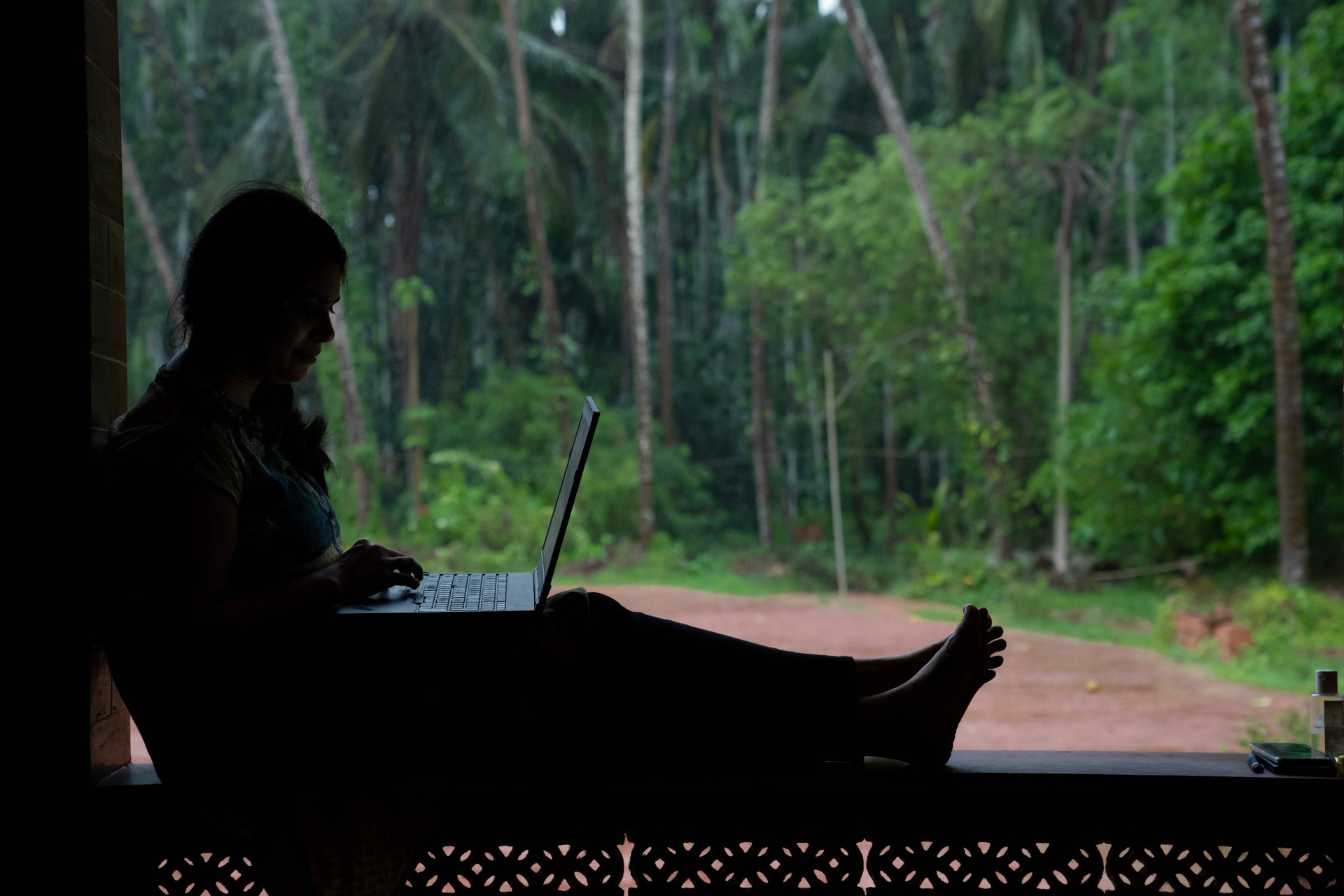
There is one more thing this house gave me, and it is the reason I photograph the way I do. It is a long house, and light behaves differently in a long house. It enters from the ends and travels, so a face near a doorway is lit hard on one side and left in shadow on the other. The old floors and walls throw back soft reflections. There is a natural negative fill here, a darkness on one cheek that hands a face its depth, and eyes that hold the last of the light at the far end of a room. I had no words for any of this as a child. I simply spent years inside it, watching light do that to the people I love.
The way light moved through this house and the way it moved through some of the foreign films I watched, settled into me as a single instinct, a quiet sense of how a face should sit in light. I have been photographing from that instinct ever since, without always knowing where it came from.
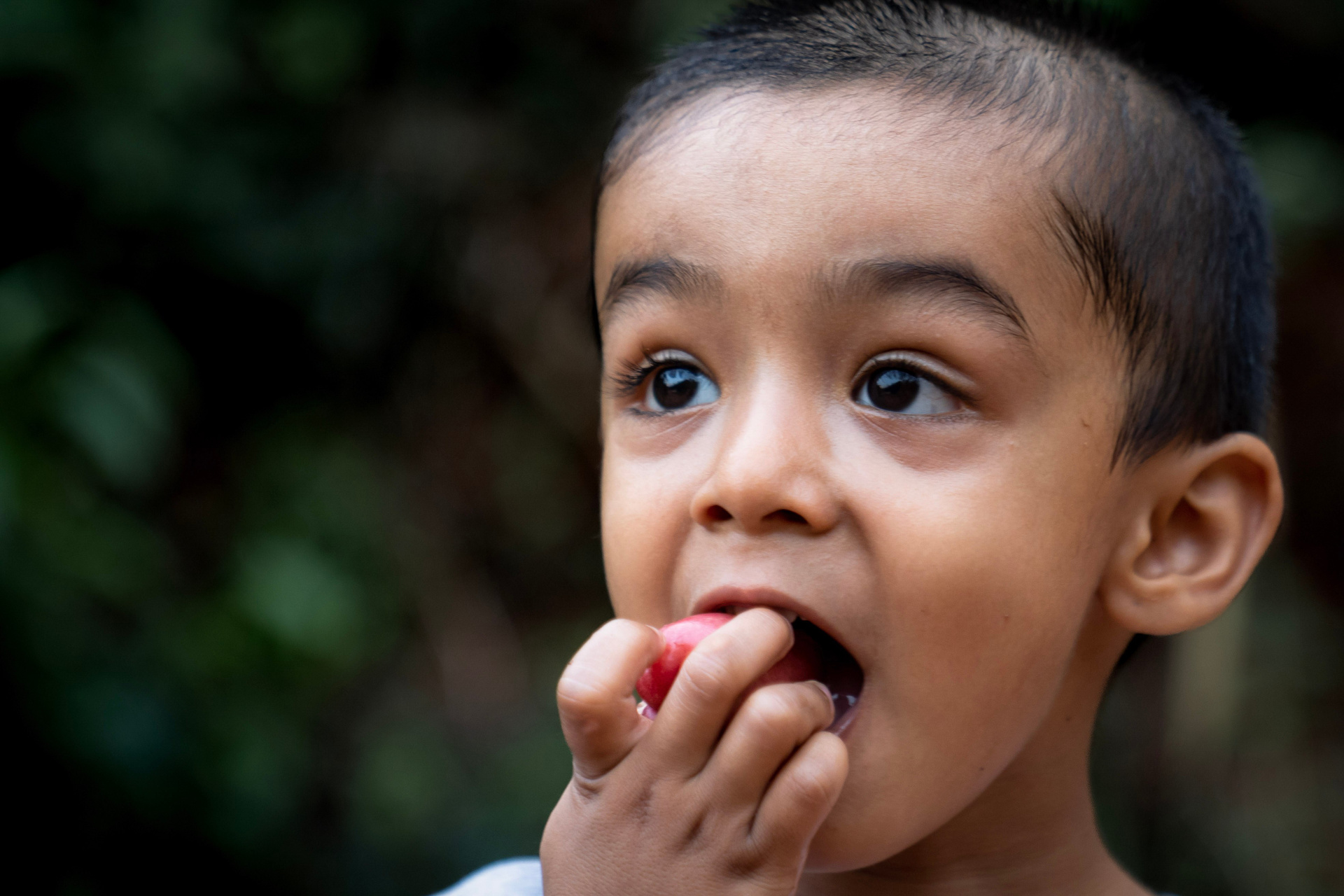
The lockdown handed it back to me on purpose. Watching Samanyu tear through those same corridors in his cape, I was suddenly seeing the light of this house consciously, the thing that shaped my eye before I ever held a camera. But light was only ever the means. What I keep reaching for is what he had in every frame: the wonder he could pour into a puddle or a stray dog, the plain innocence of him.
I do not think that innocence ever really leaves a person. It only gets buried, under the identities we take on and the weight the world hands us. That unhurt part, still alive under all of it, is what I spend my life looking for, even in the grown faces at a wedding. It is always still in there somewhere. Finding it is the whole job.
Which leaves me one wish, the kind you are only allowed to make quietly. That Samanyu holds on to his, his love and his openness, and never lets the world bury it too deep to reach. If these photographs are for anything, they are a marker laid down for the day he might need reminding that it was always his. That, and the light, are the real reasons I made them.
Yours truly, Sharath Padaru
That same lockdown I also made him a little film for his fourth birthday, Samanyu at four. Press play —
