Dear you,
In the first of these letters I mentioned a village Ramotsava I wanted to tell you about. This is it, and the way it reached us is half the reason it is worth telling.
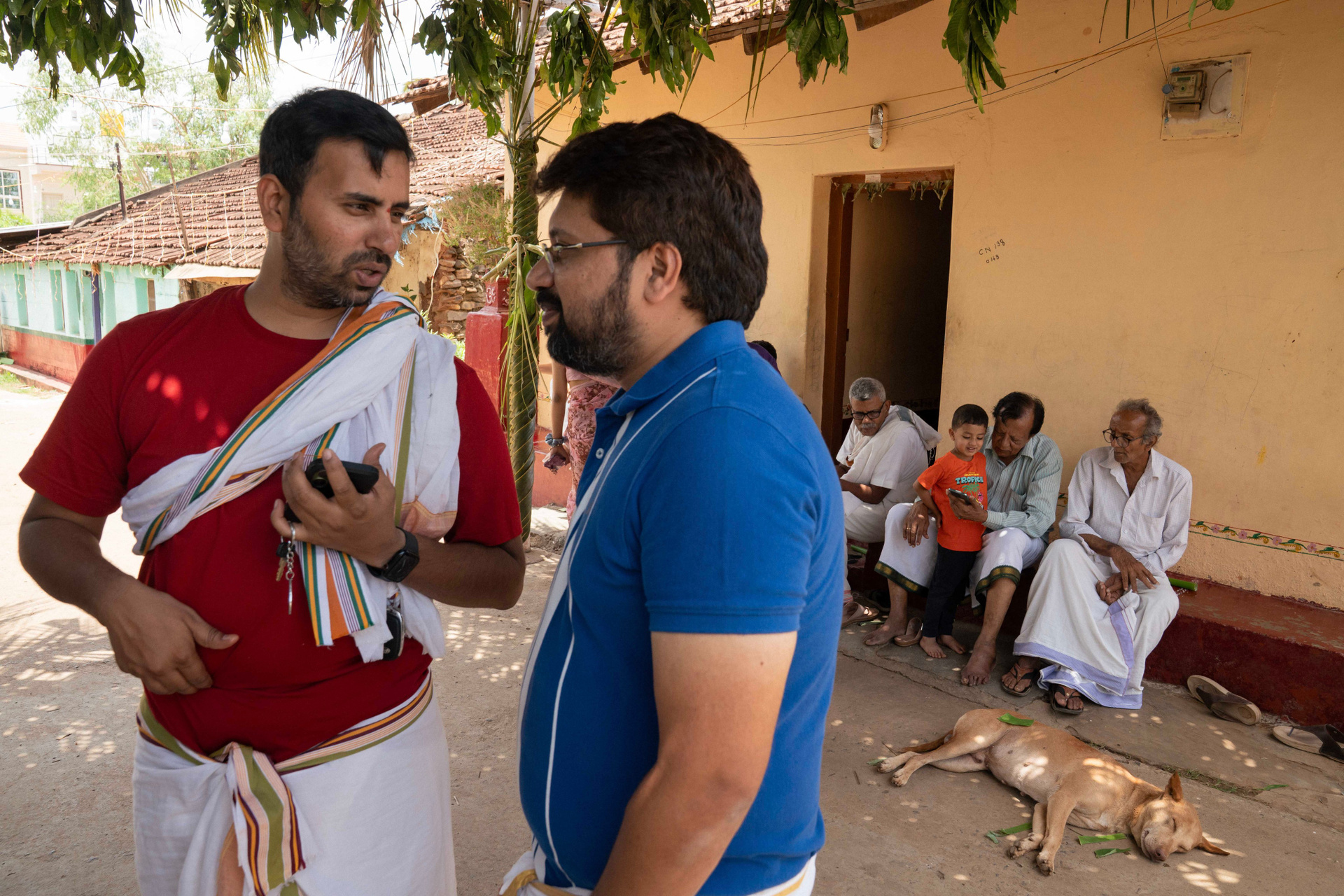
We met Shashank as a groom. Somewhere in the middle of shooting his wedding, he began telling us about his village and a festival his family and their neighbours have held every summer for longer than any of us have been alive. Then he did something rarer than it should be. He asked us to go and document it. Not his wedding. Not himself. His village, at prayer and at play, for its own sake. That instinct, to want the ordinary life of a place recorded before it quietly changes, is close to the whole reason this blog exists. So first, and plainly, thank you, Shashank.
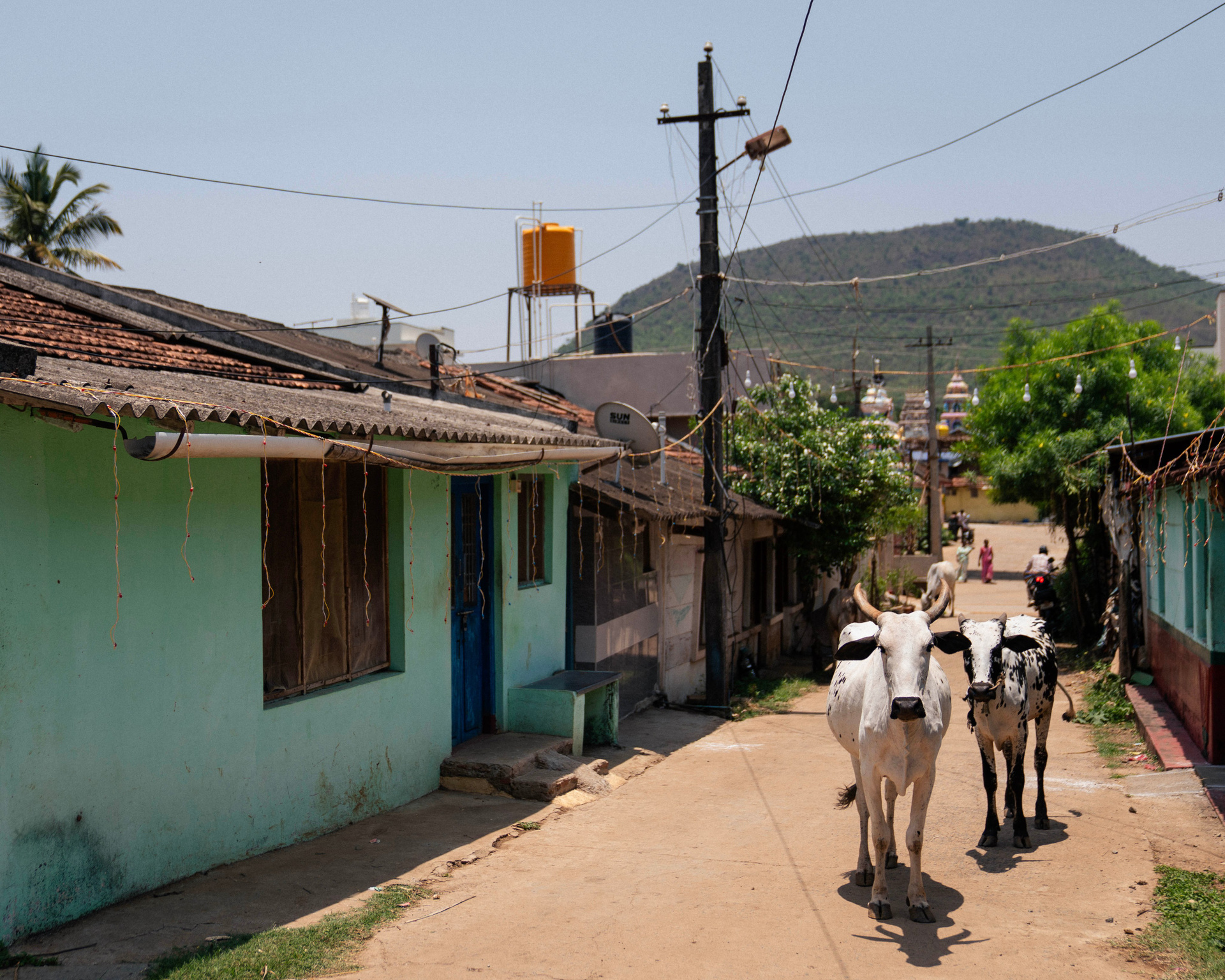
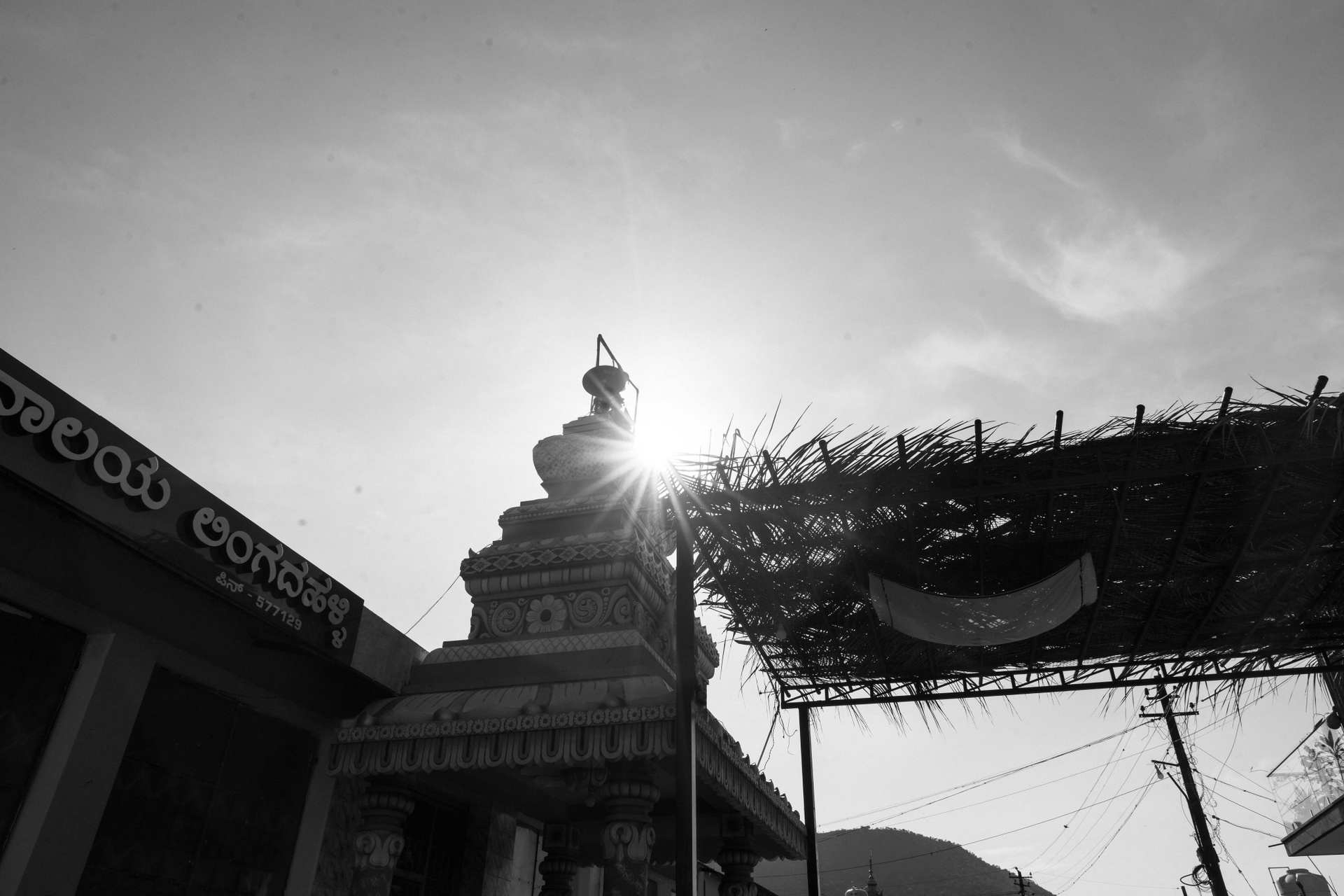
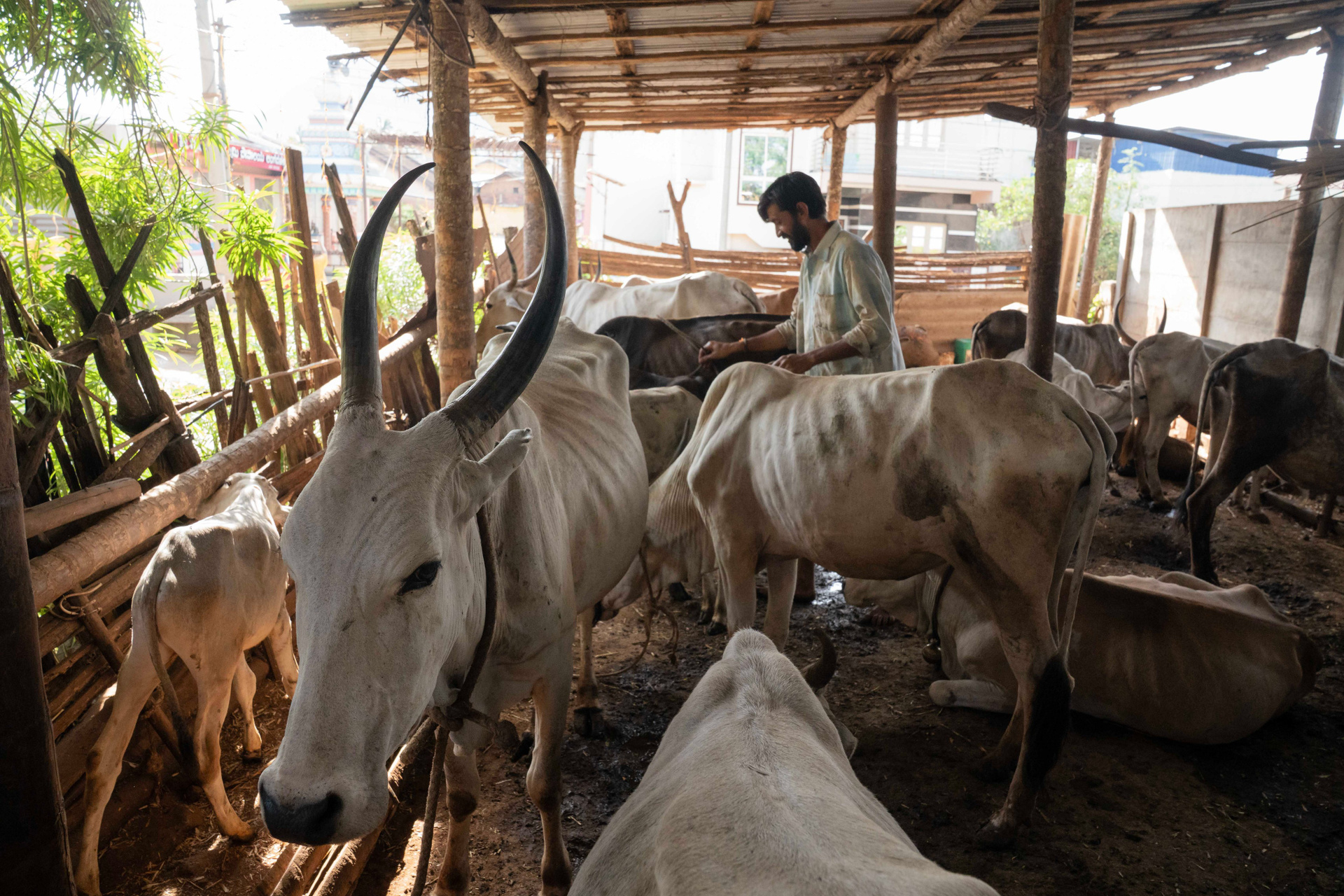
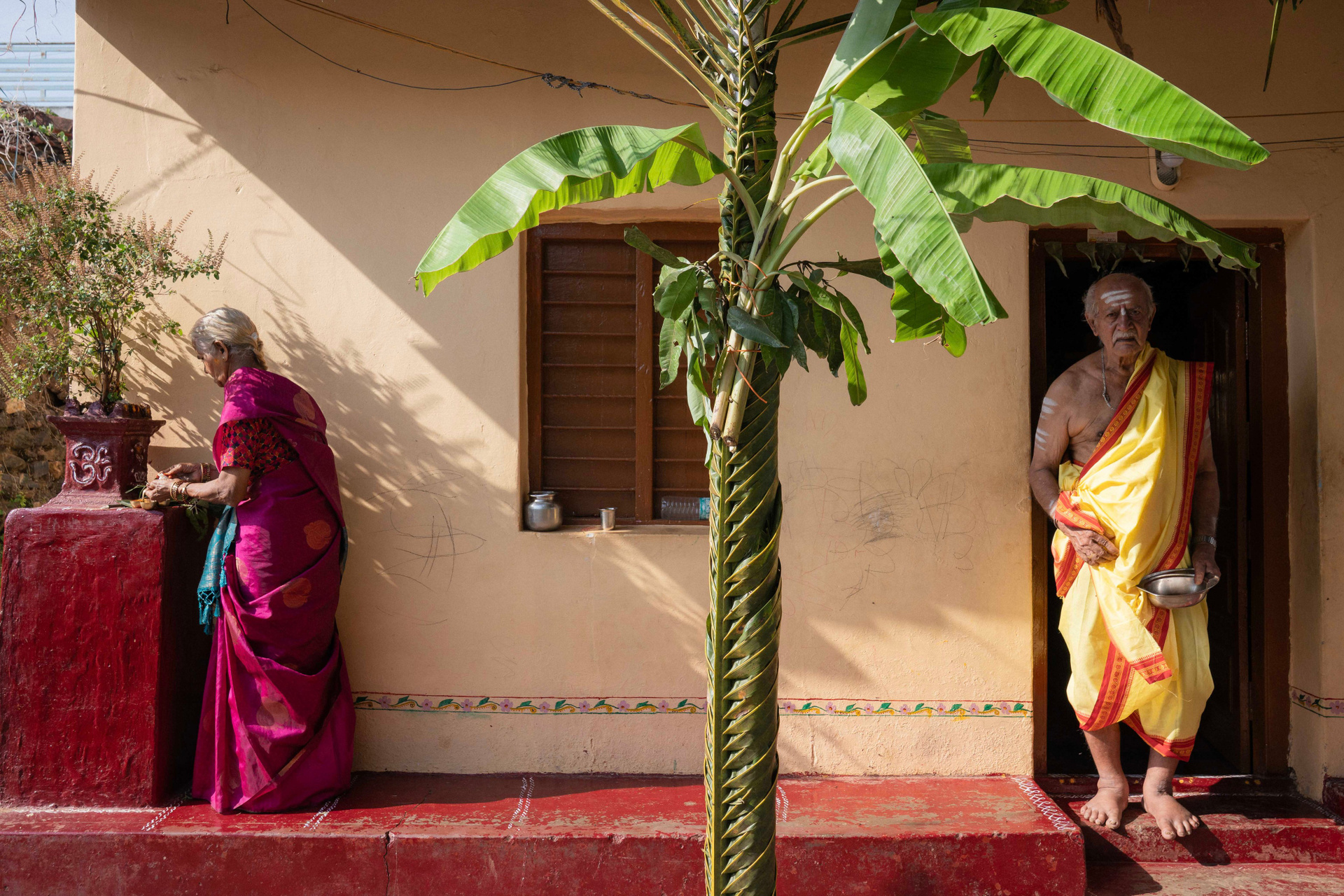
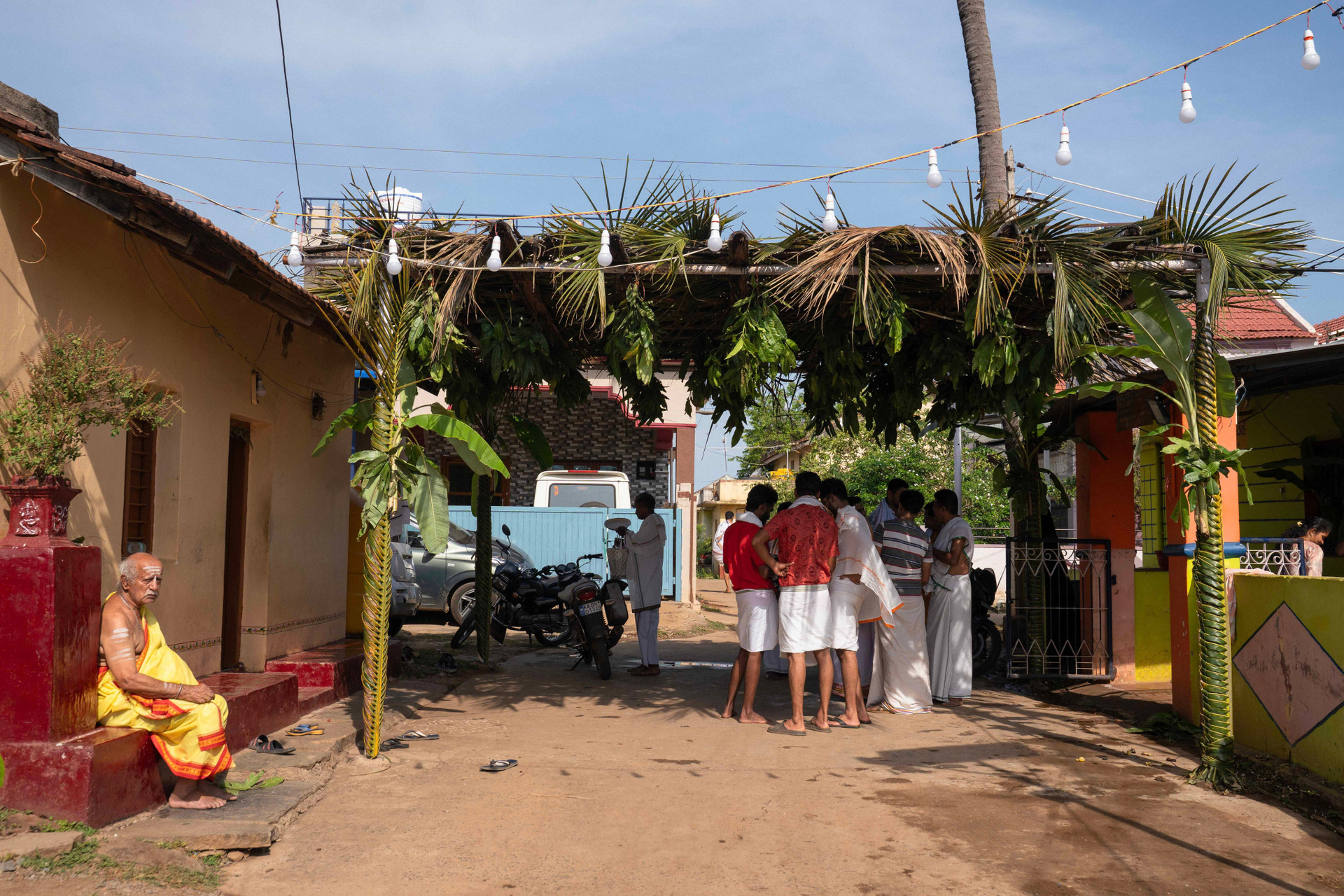
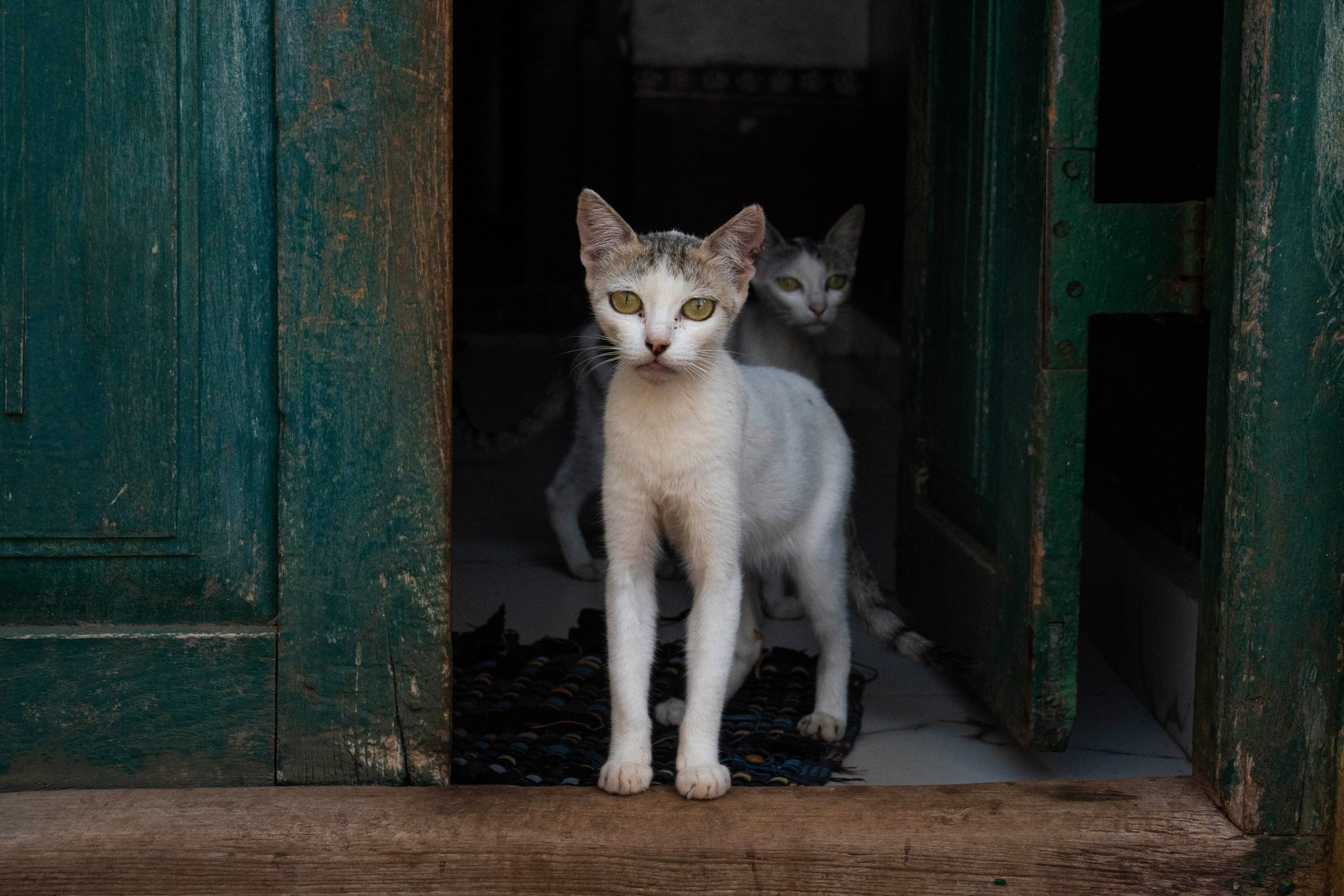
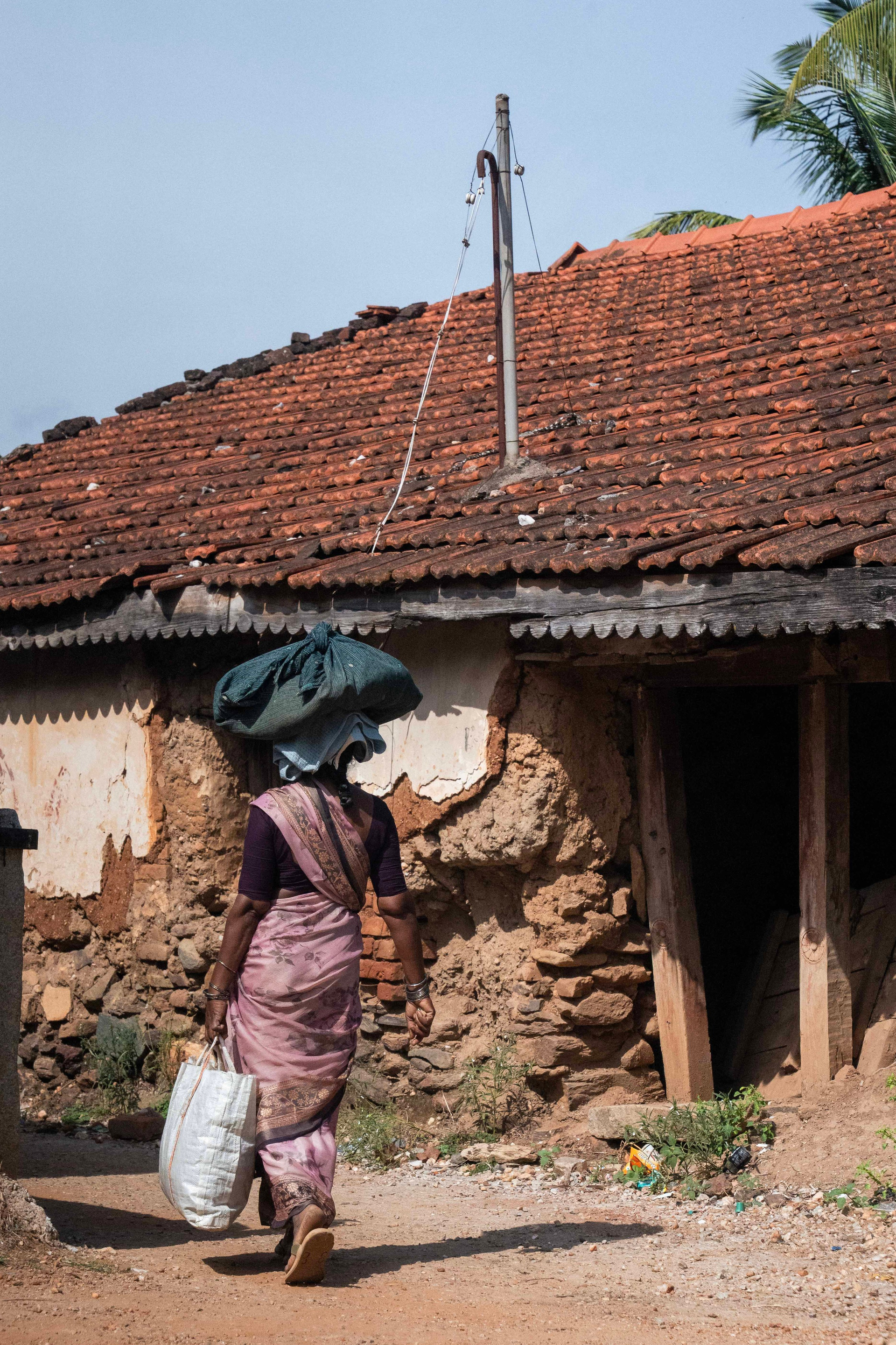
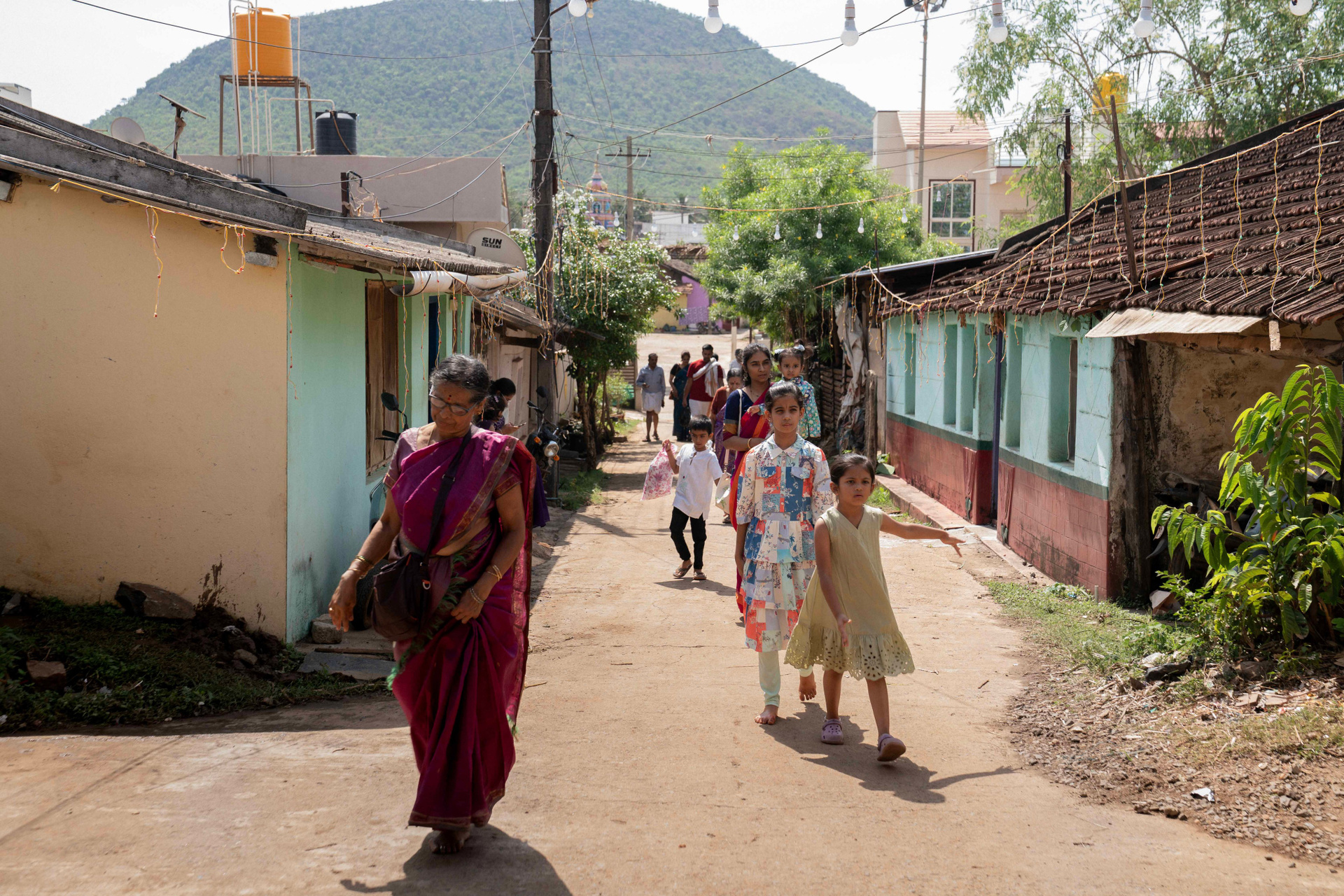
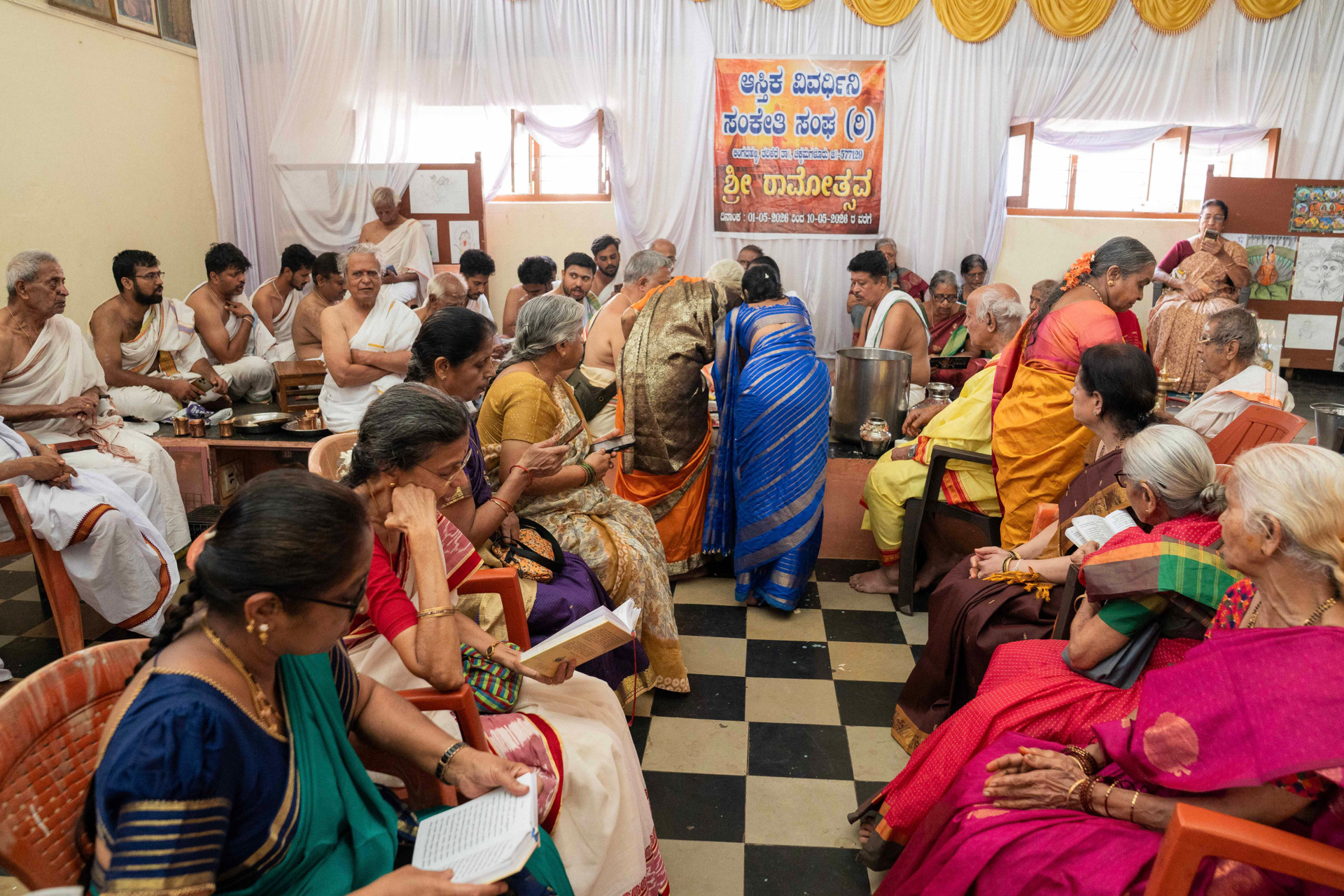
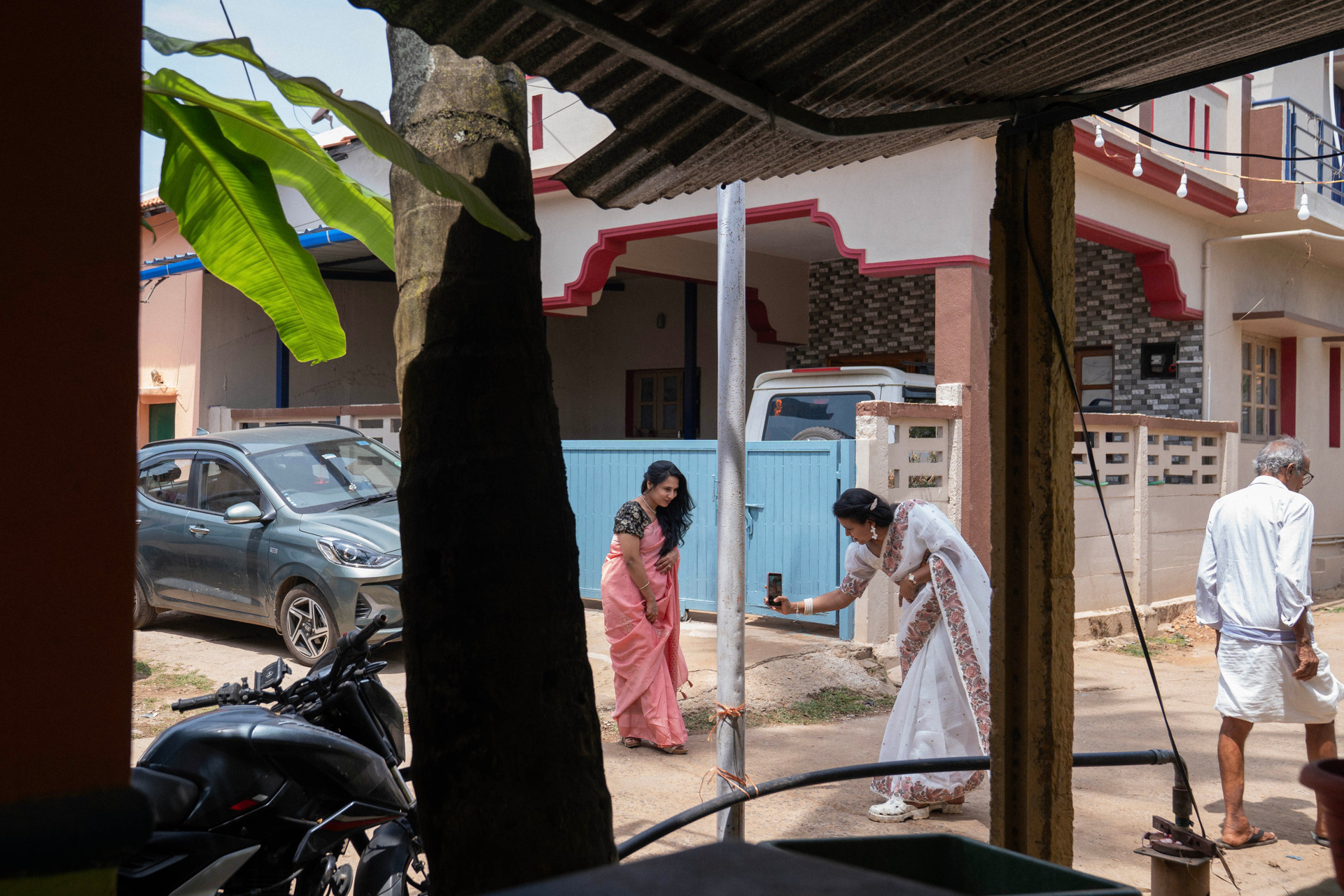
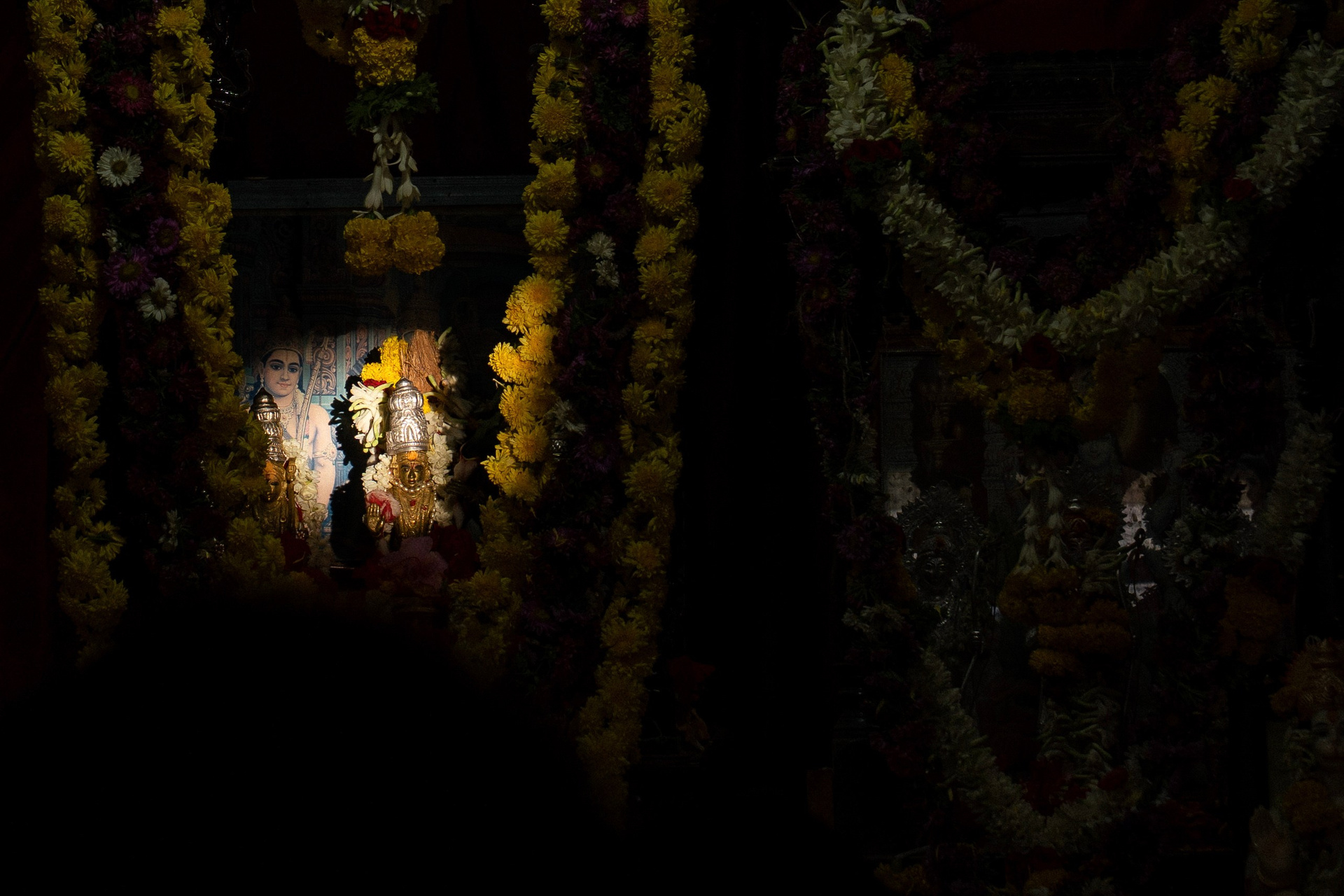
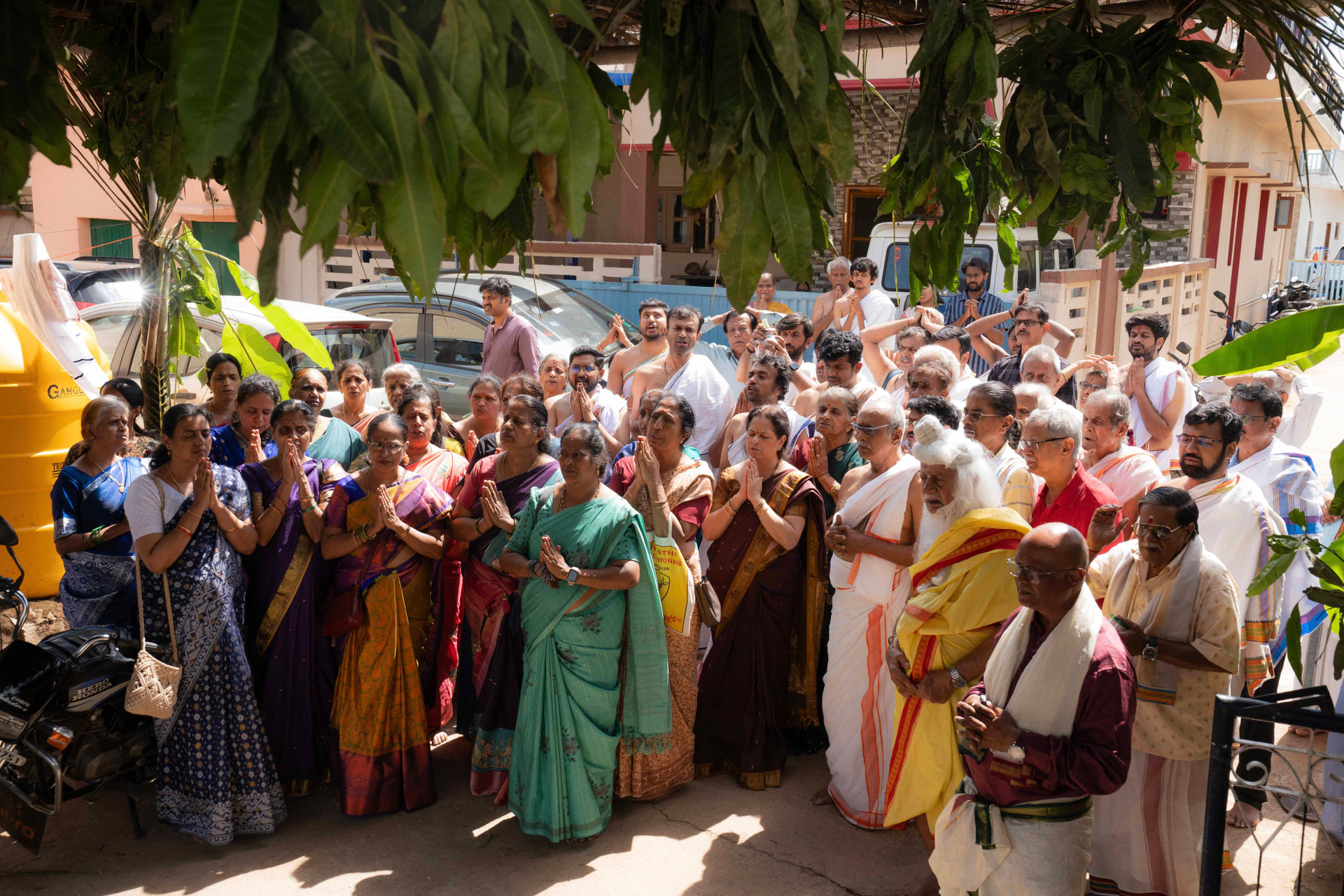
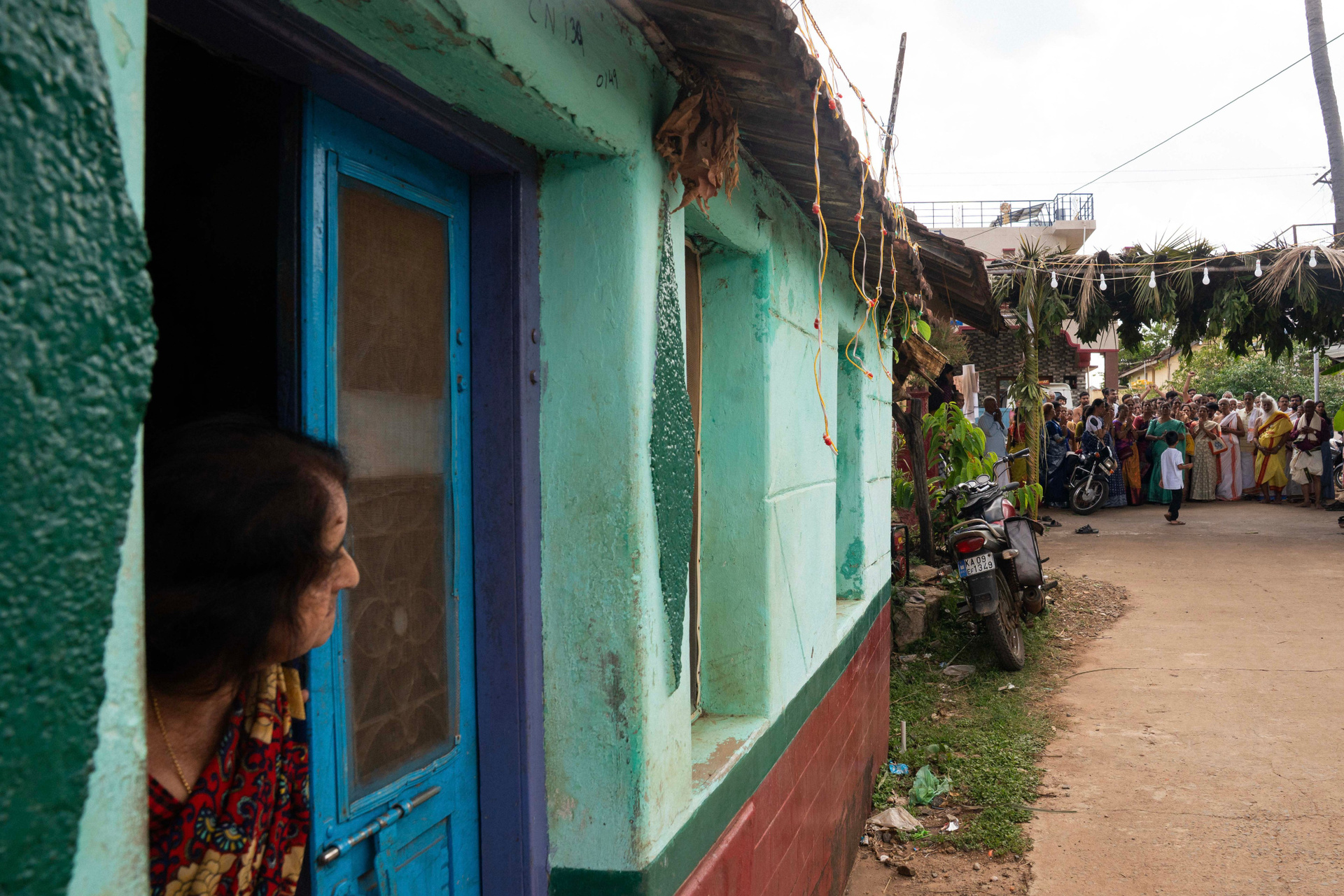
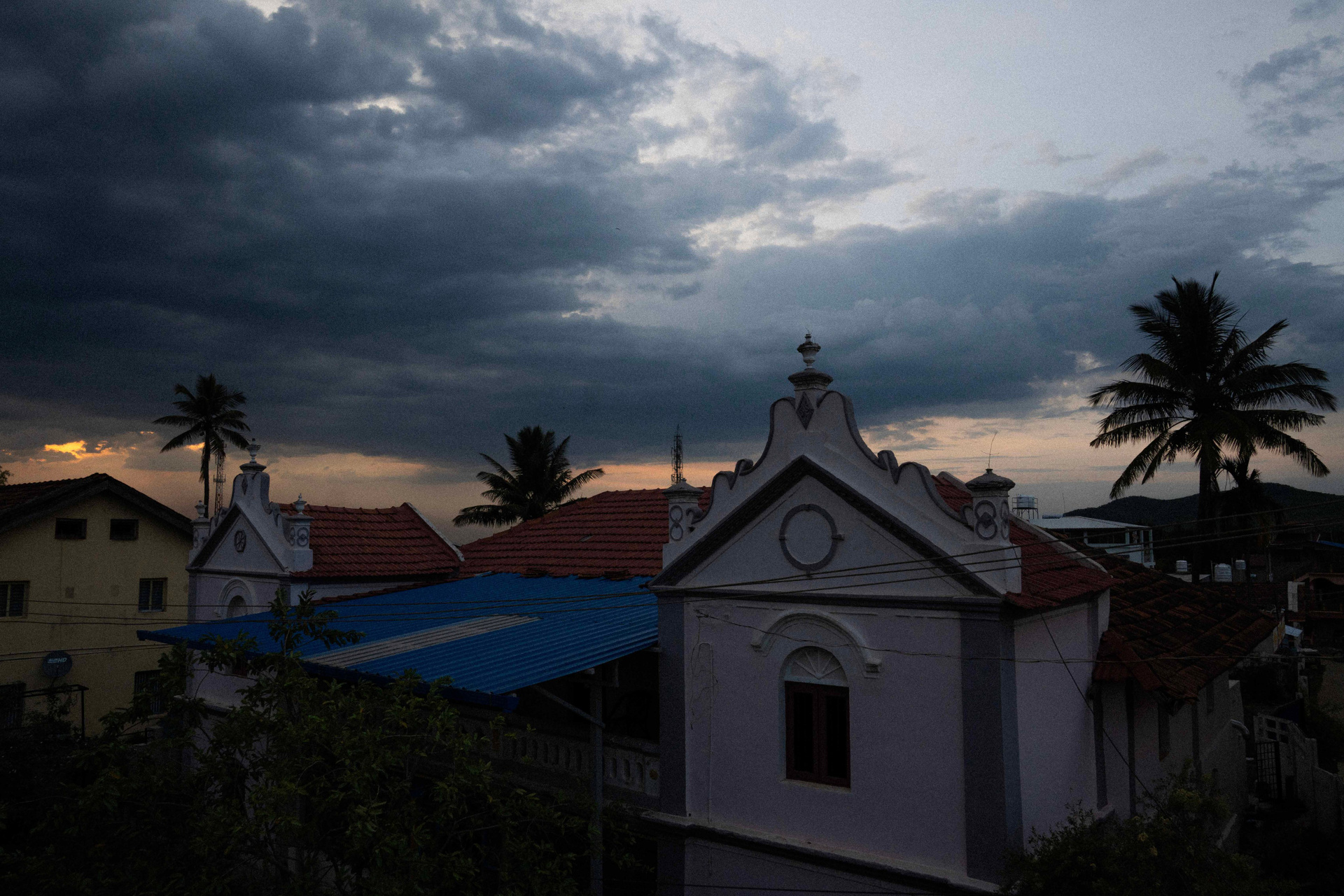
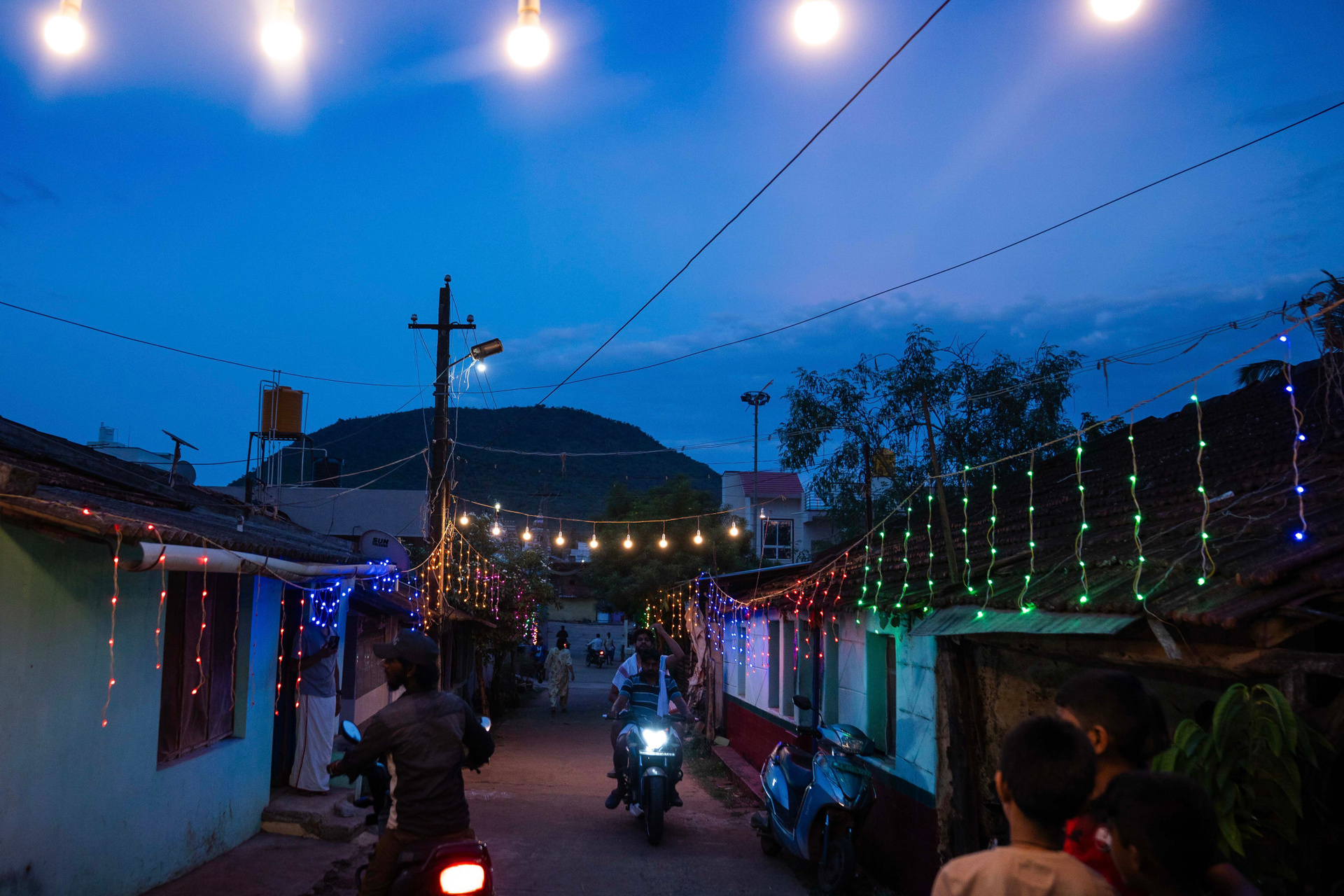
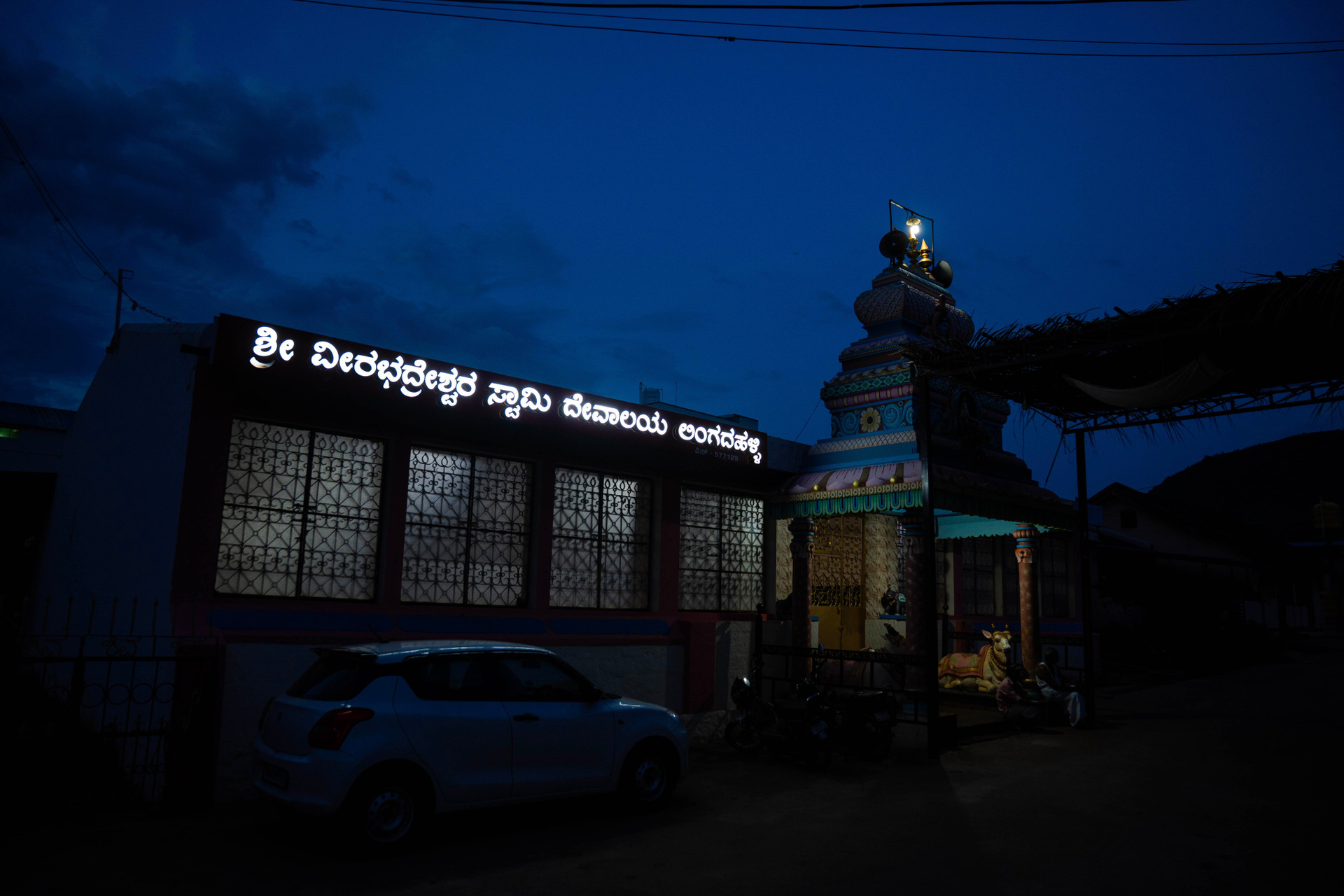
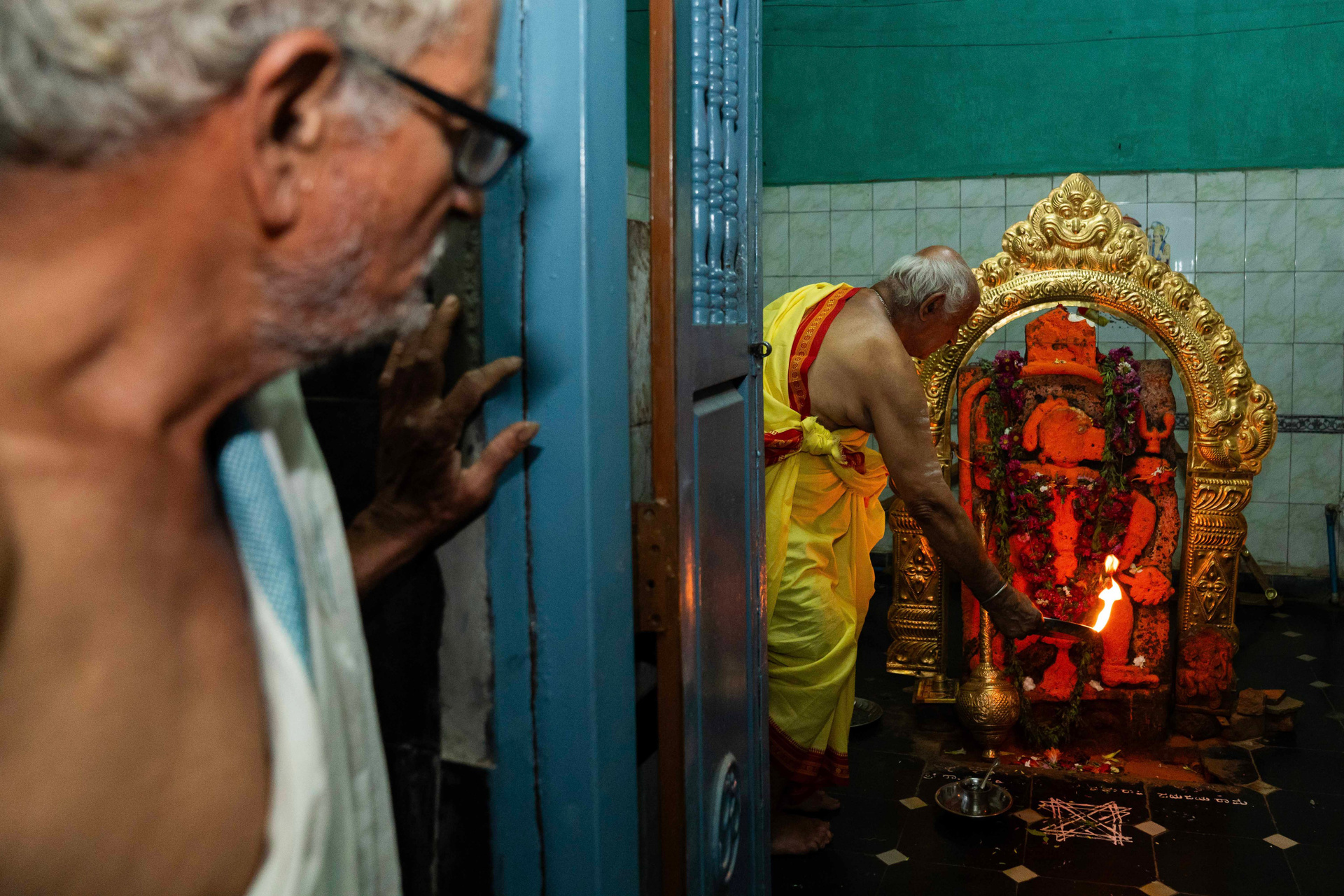
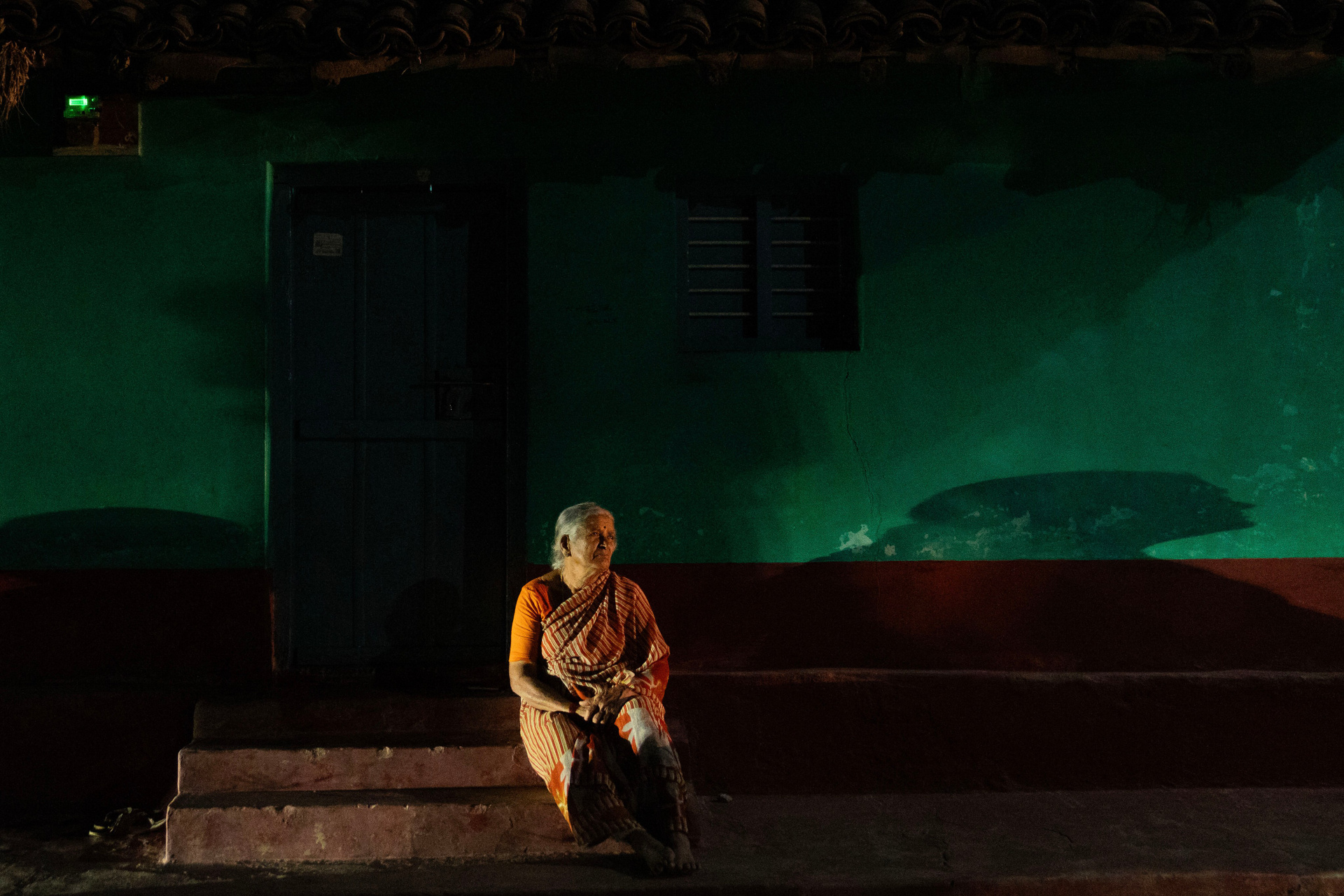
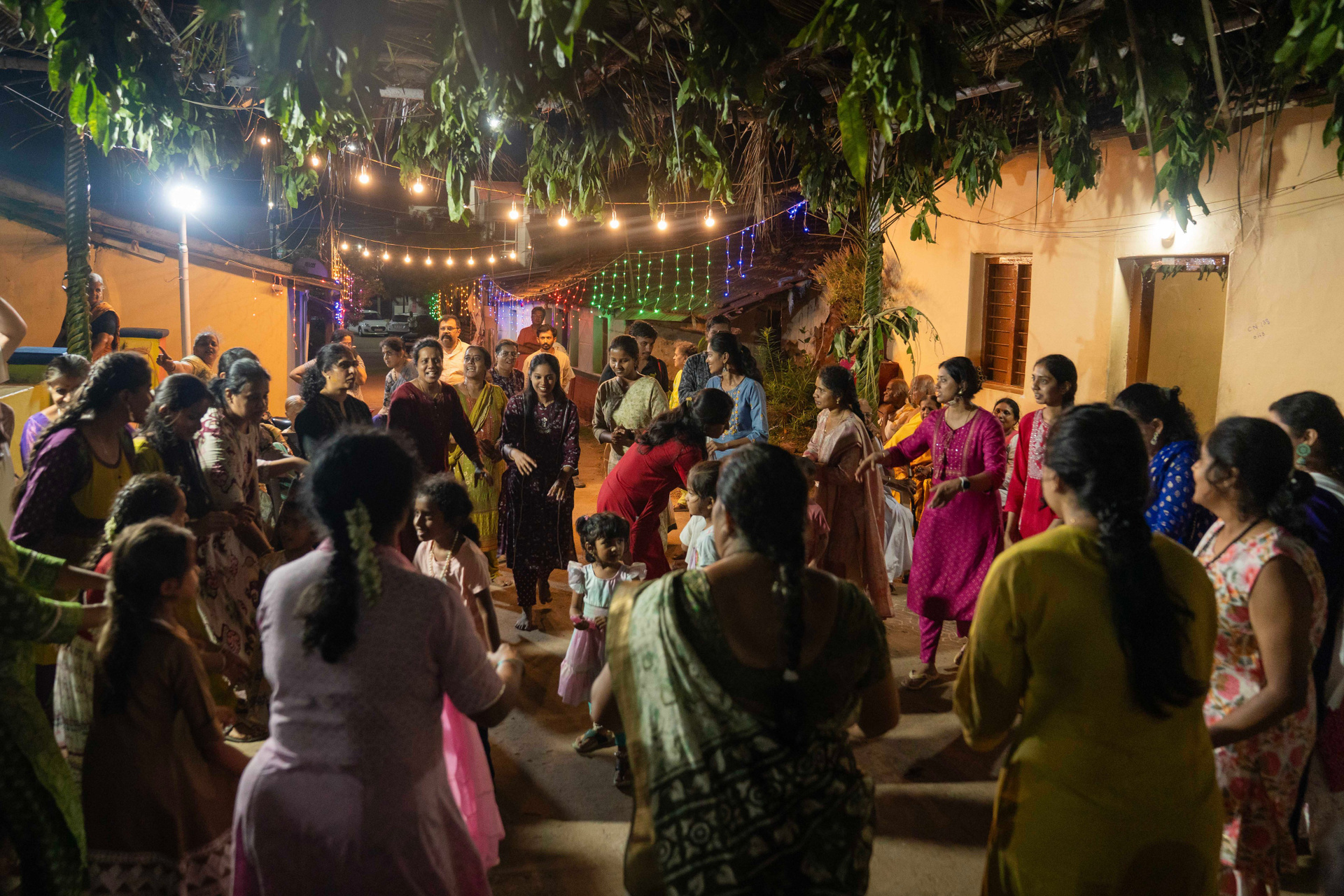
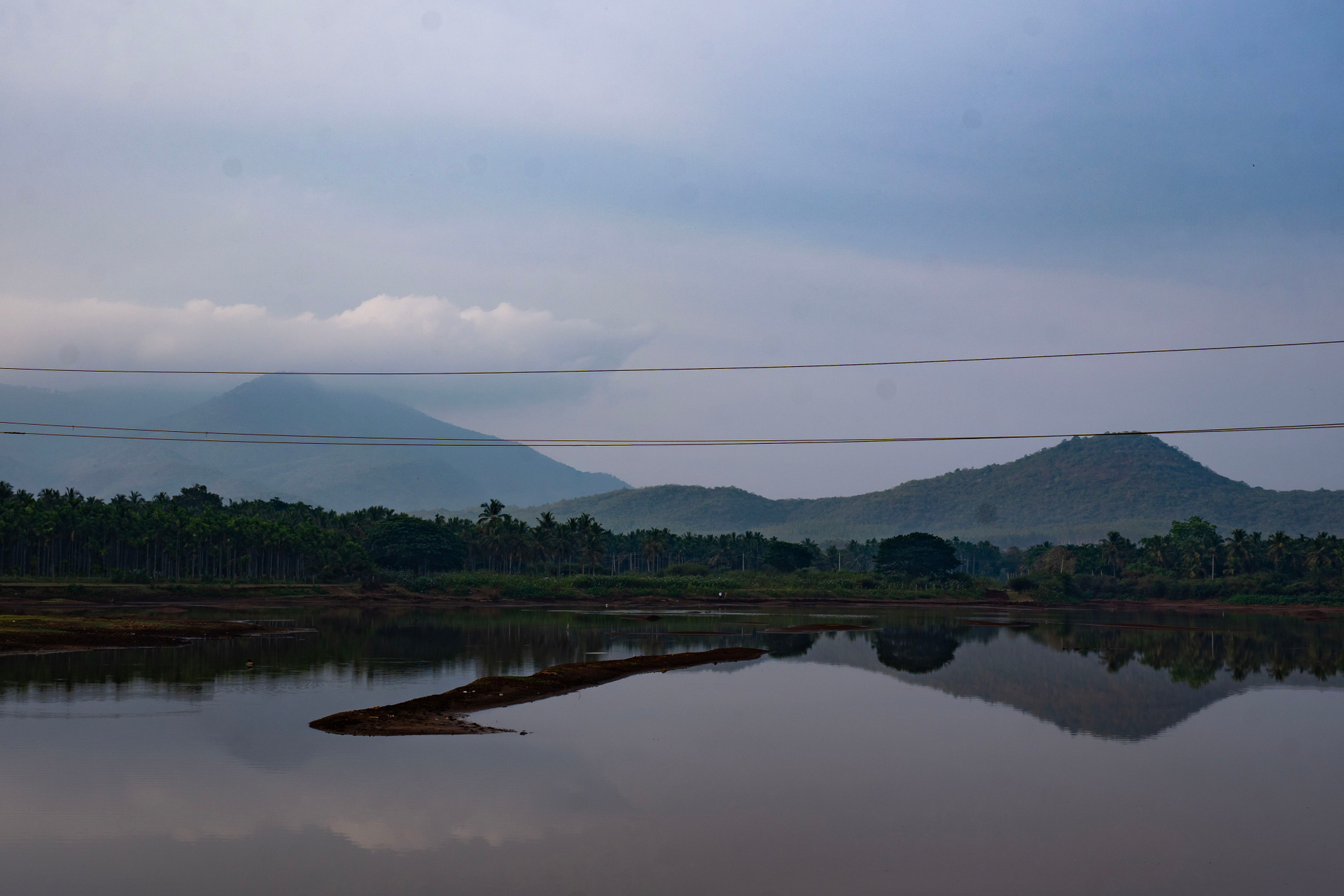
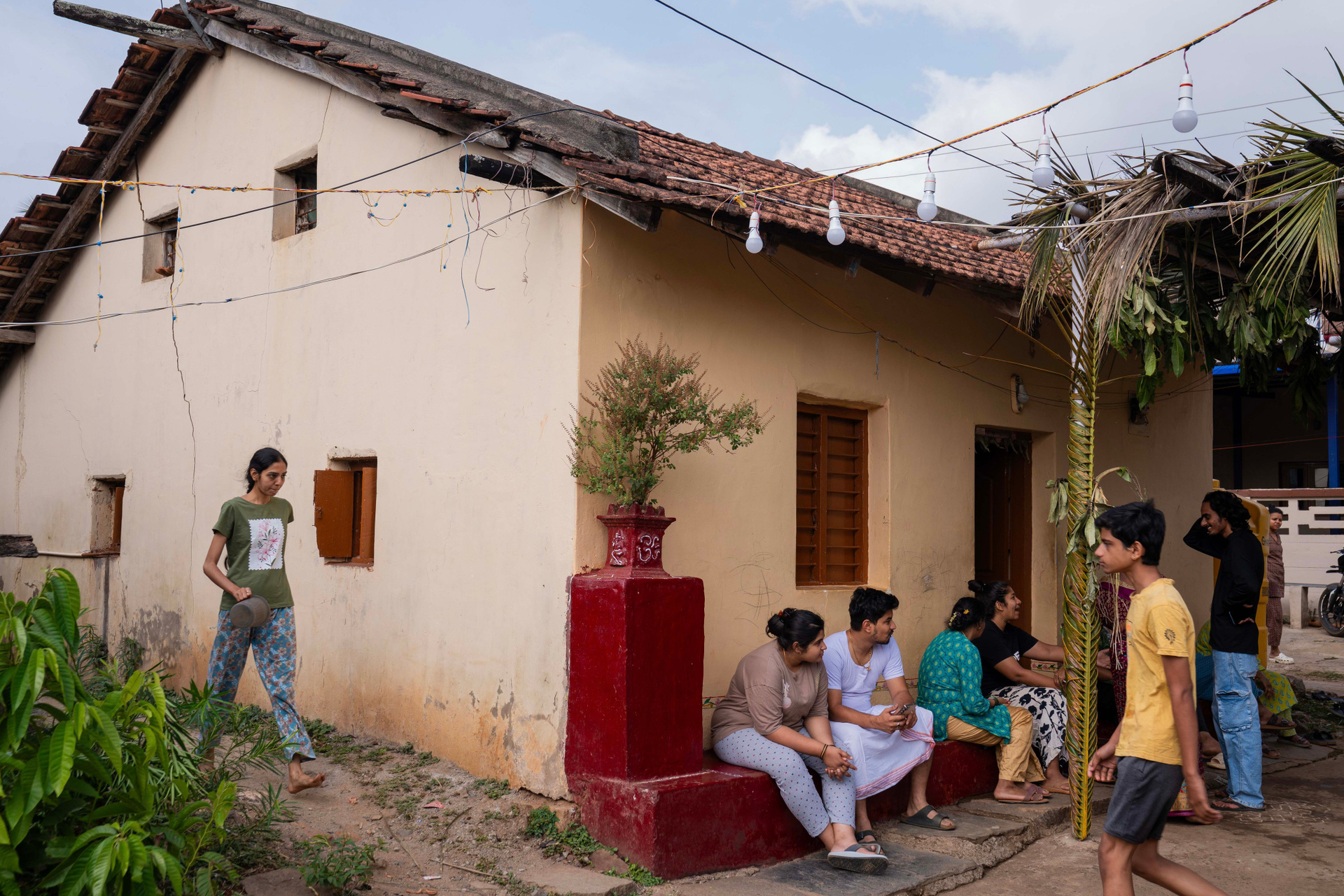
The village is Lingadahalli. Forty or so houses under a line of hills. There is a Rama temple at the centre of it, the one you will see in these frames, built in the mid 1980s. The festival is older than the temple. These families have been holding this Ramotsava since 1962, back when it moved from one person’s house to the next because there was not yet a temple to hold it.
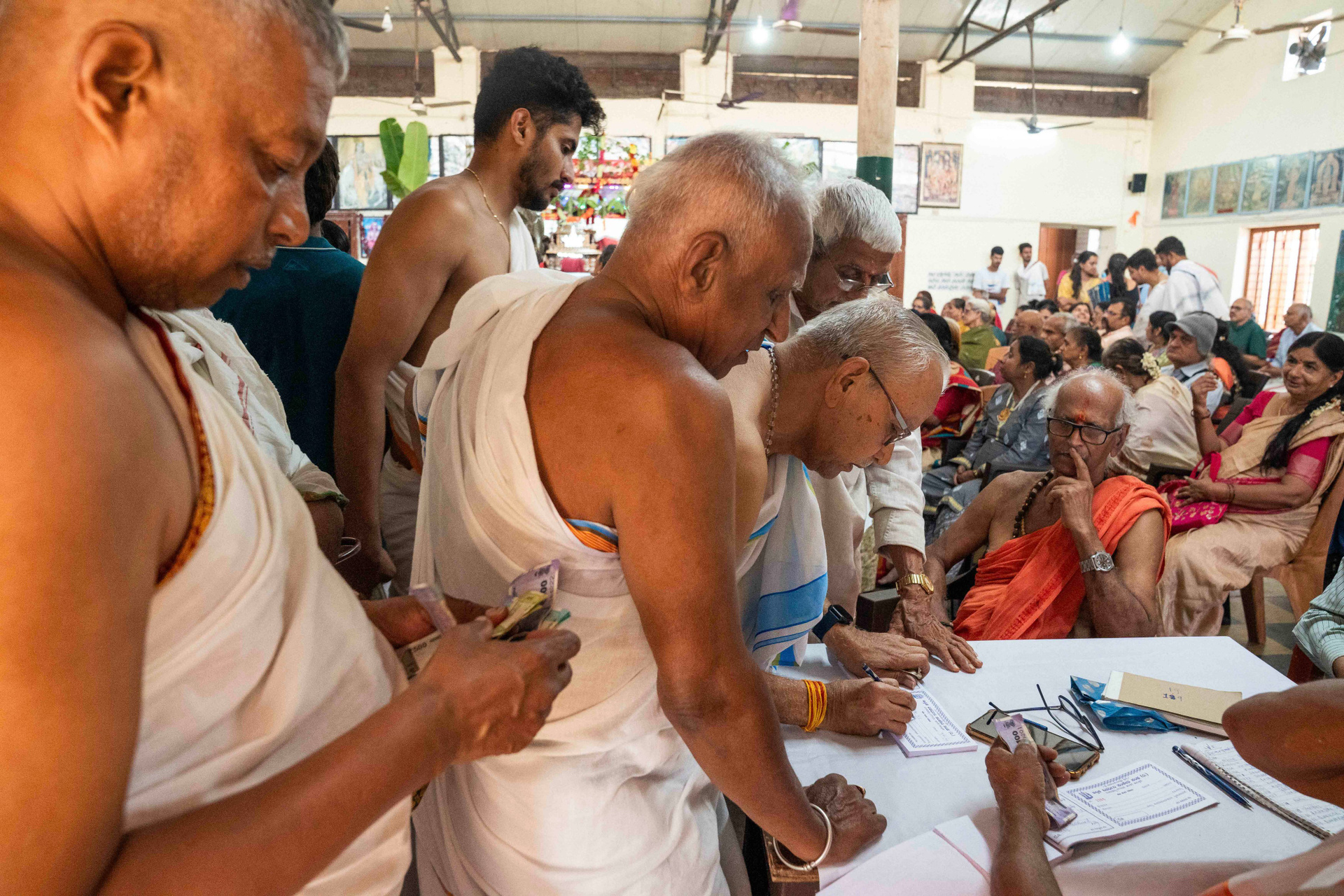
Here is the detail that surprised me. In the beginning, the entire festival ran on twenty seven rupees. The ledger from those first years still exists, and they still write in the same book. Sixty years of a village’s giving, itemised in one long running account. People put in what they could, five paise, ten, fifteen, twenty. Shashank’s own grandfather is in there for sixty five paise, entered in 1965, still legible on the page.
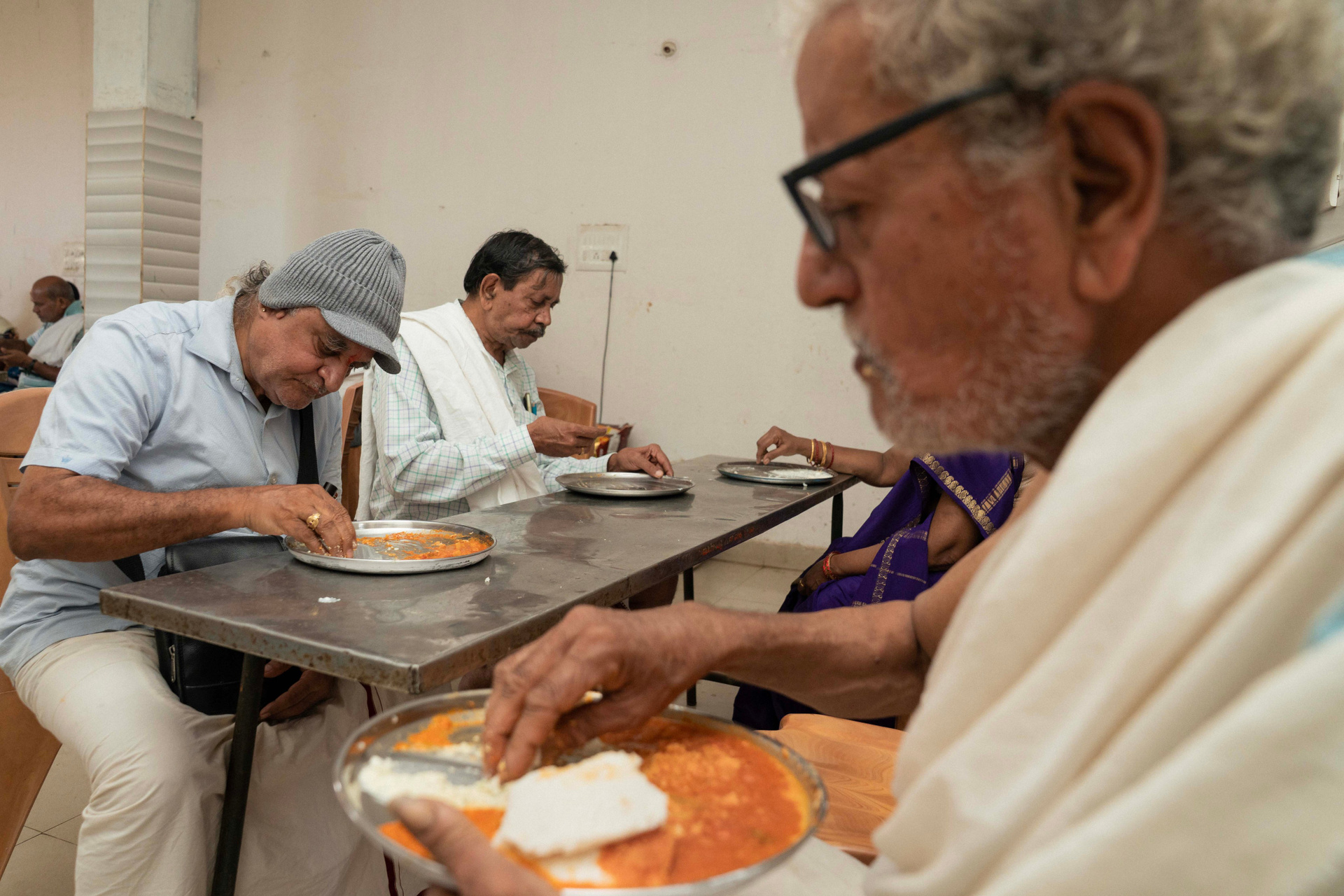
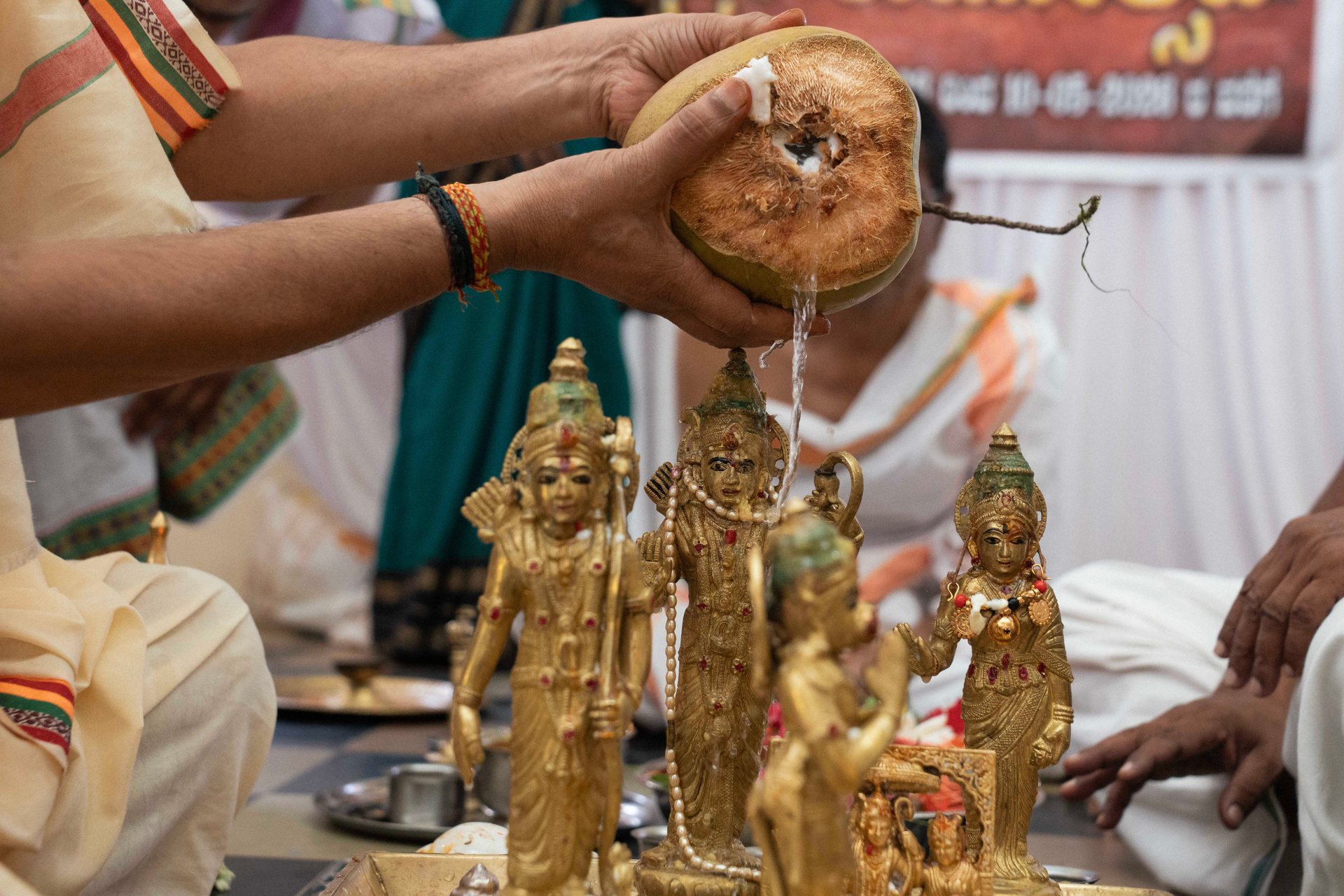
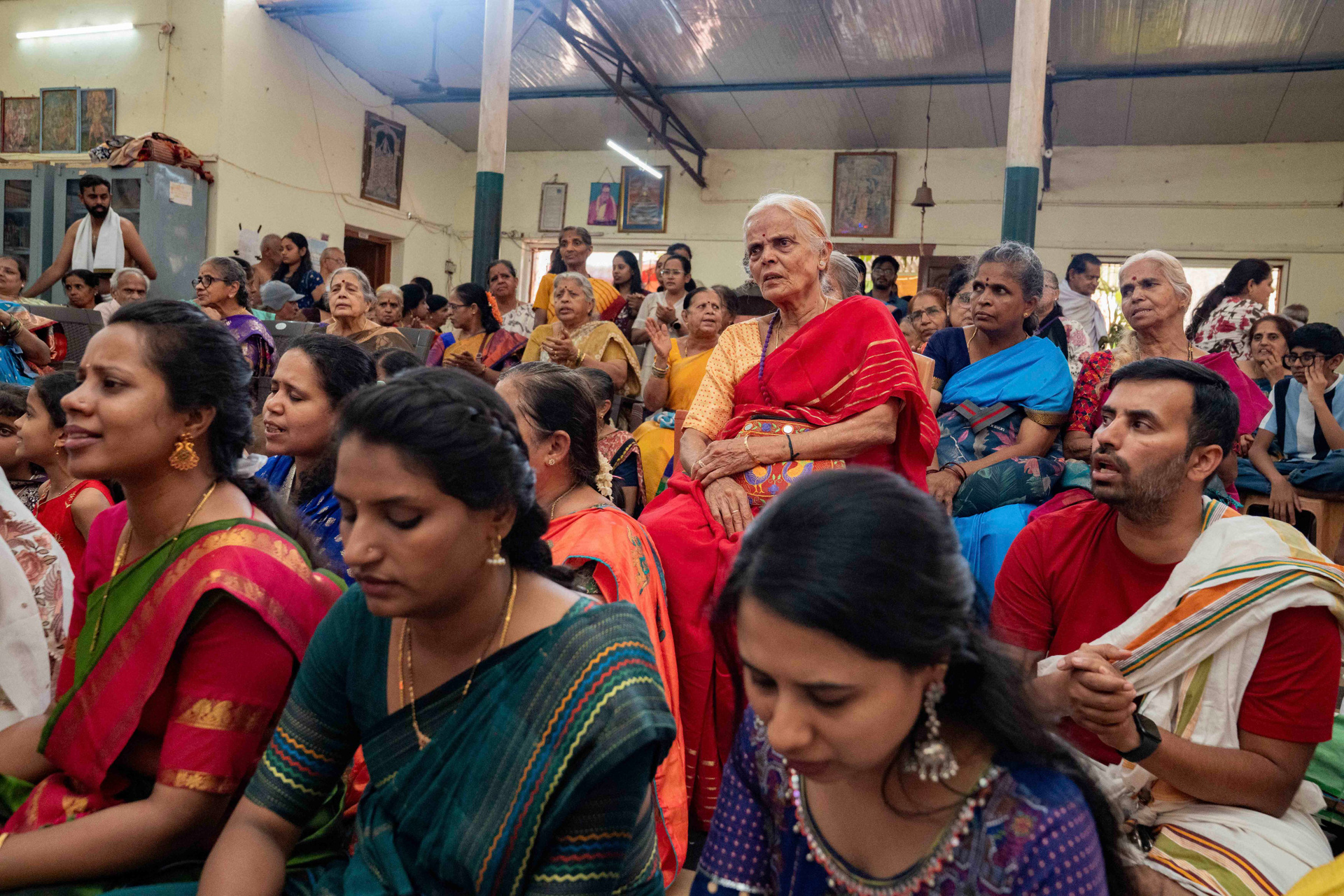
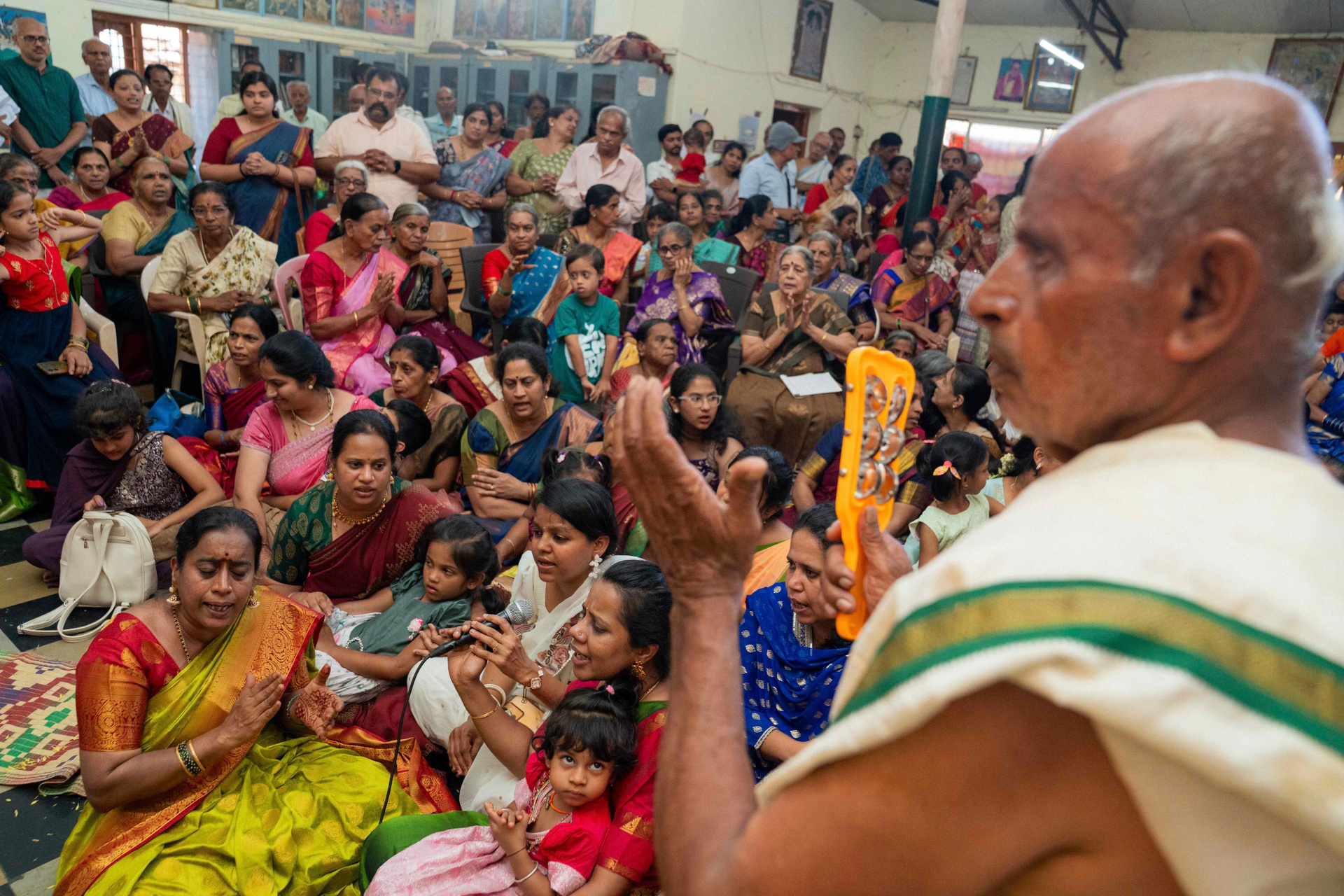
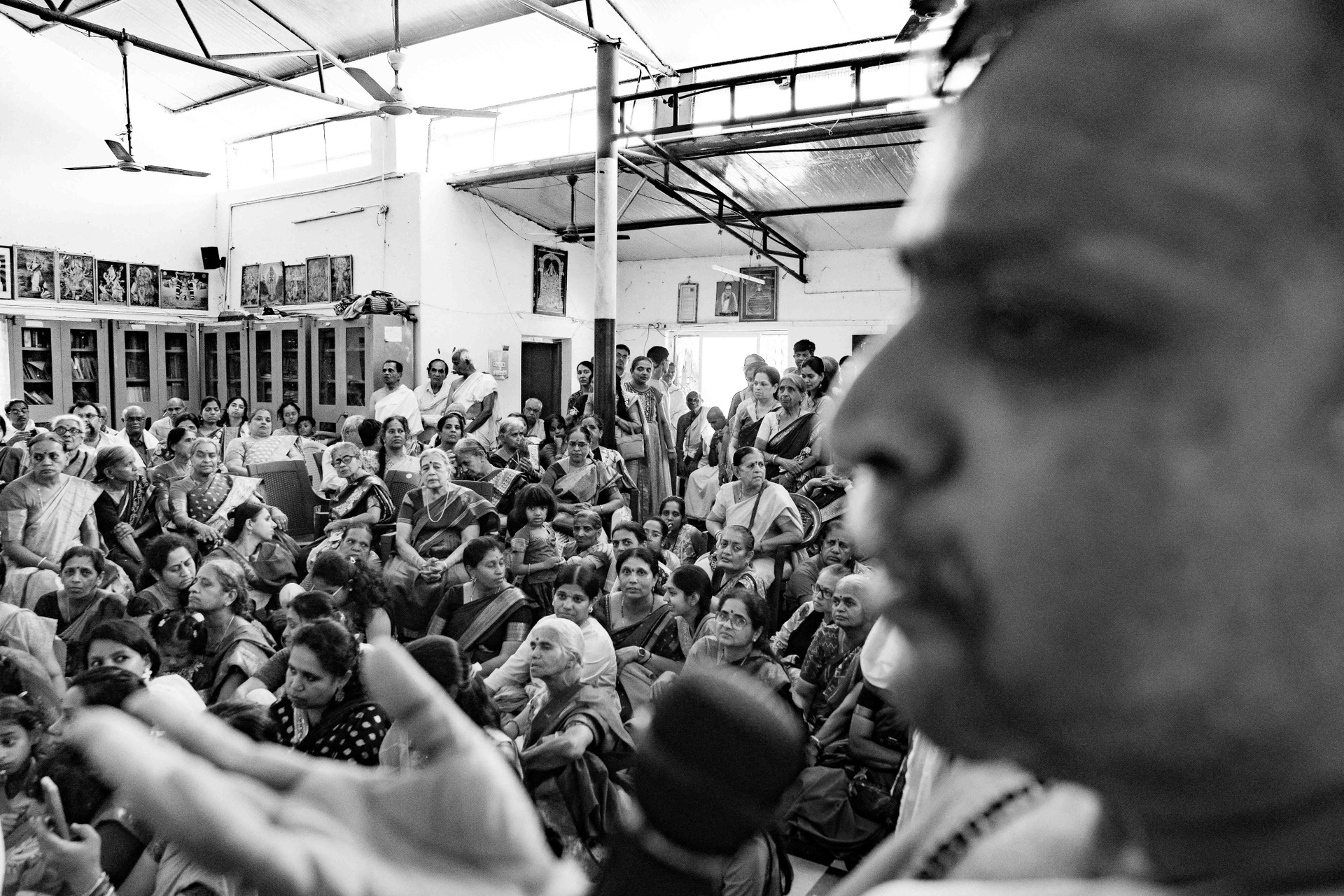
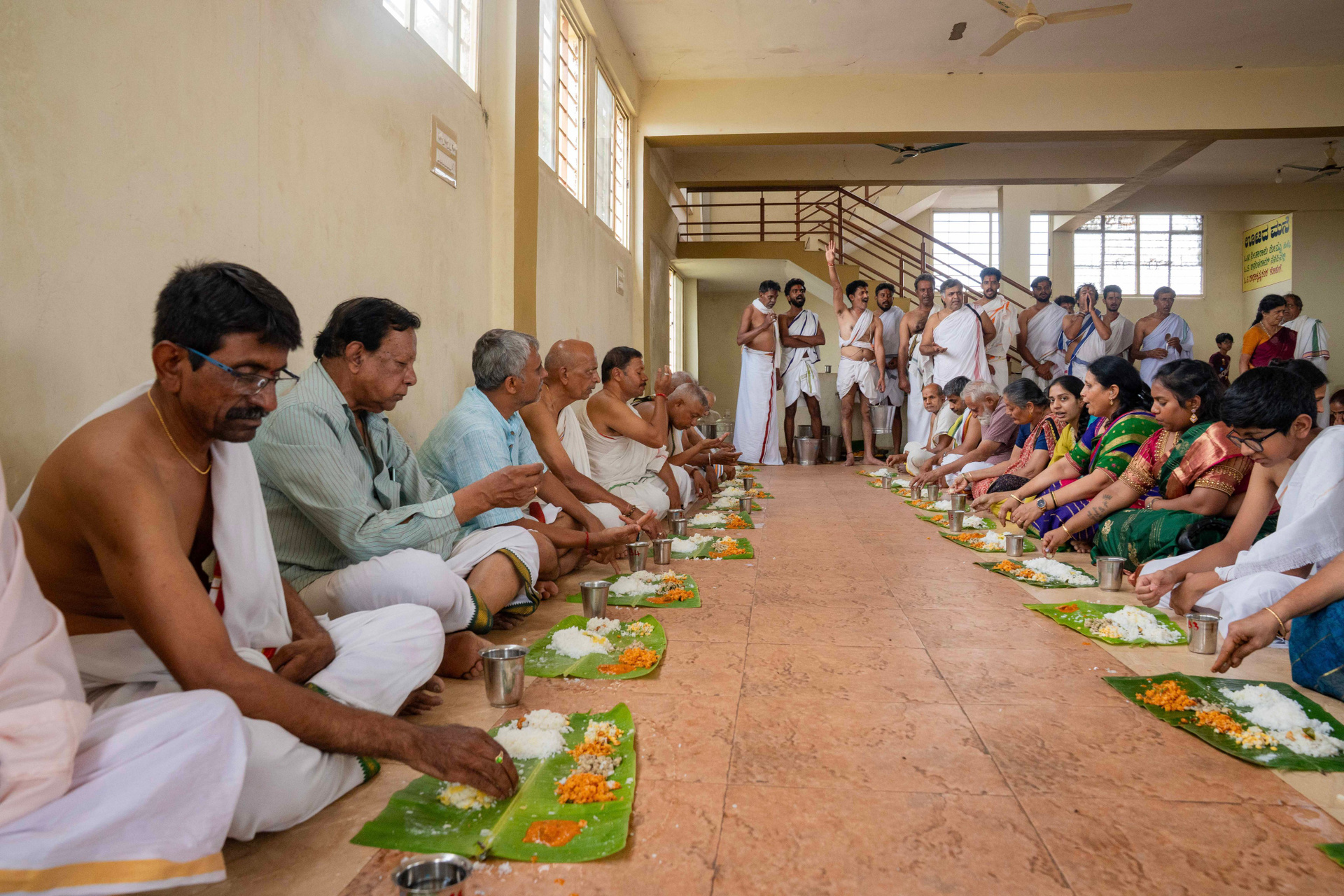
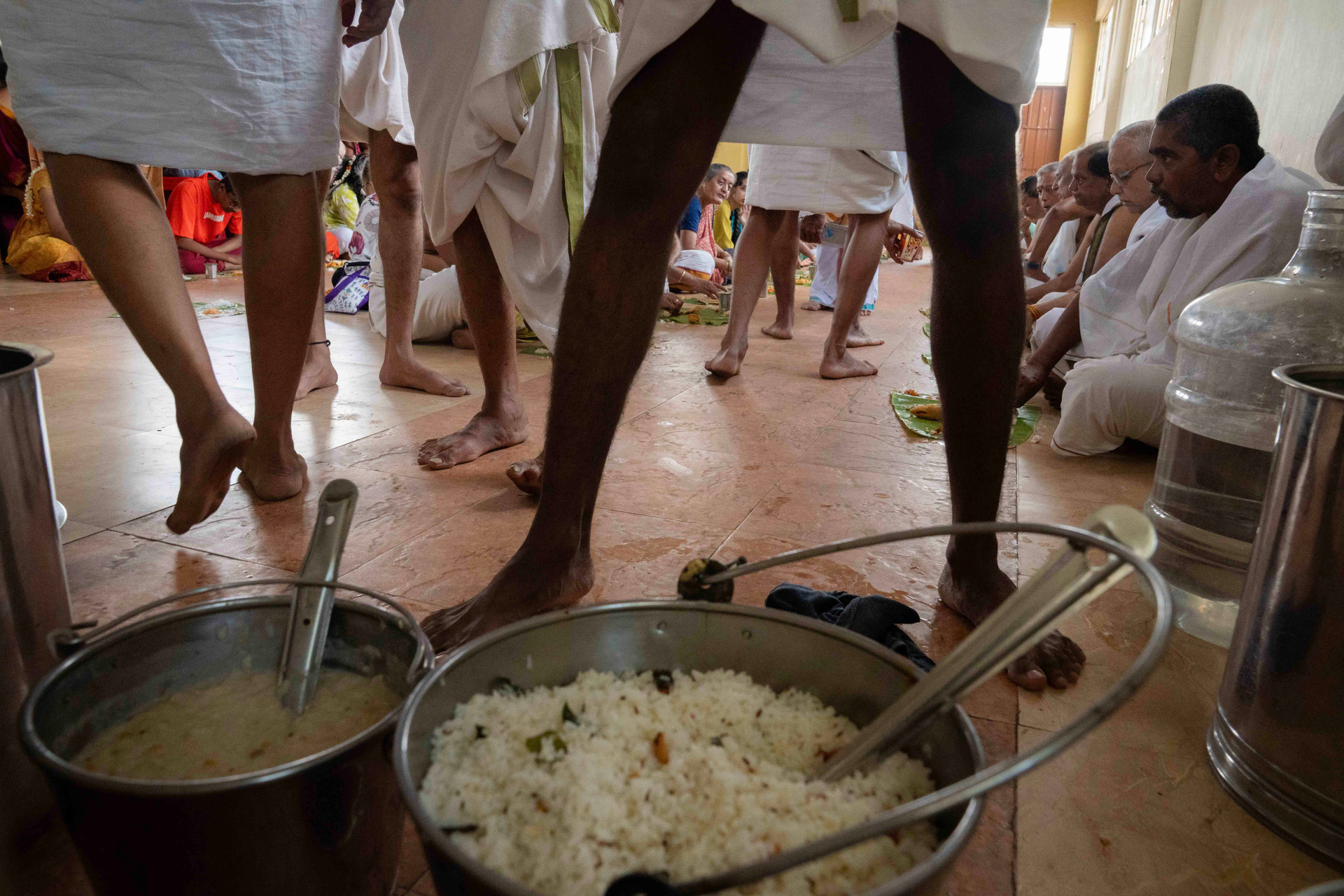
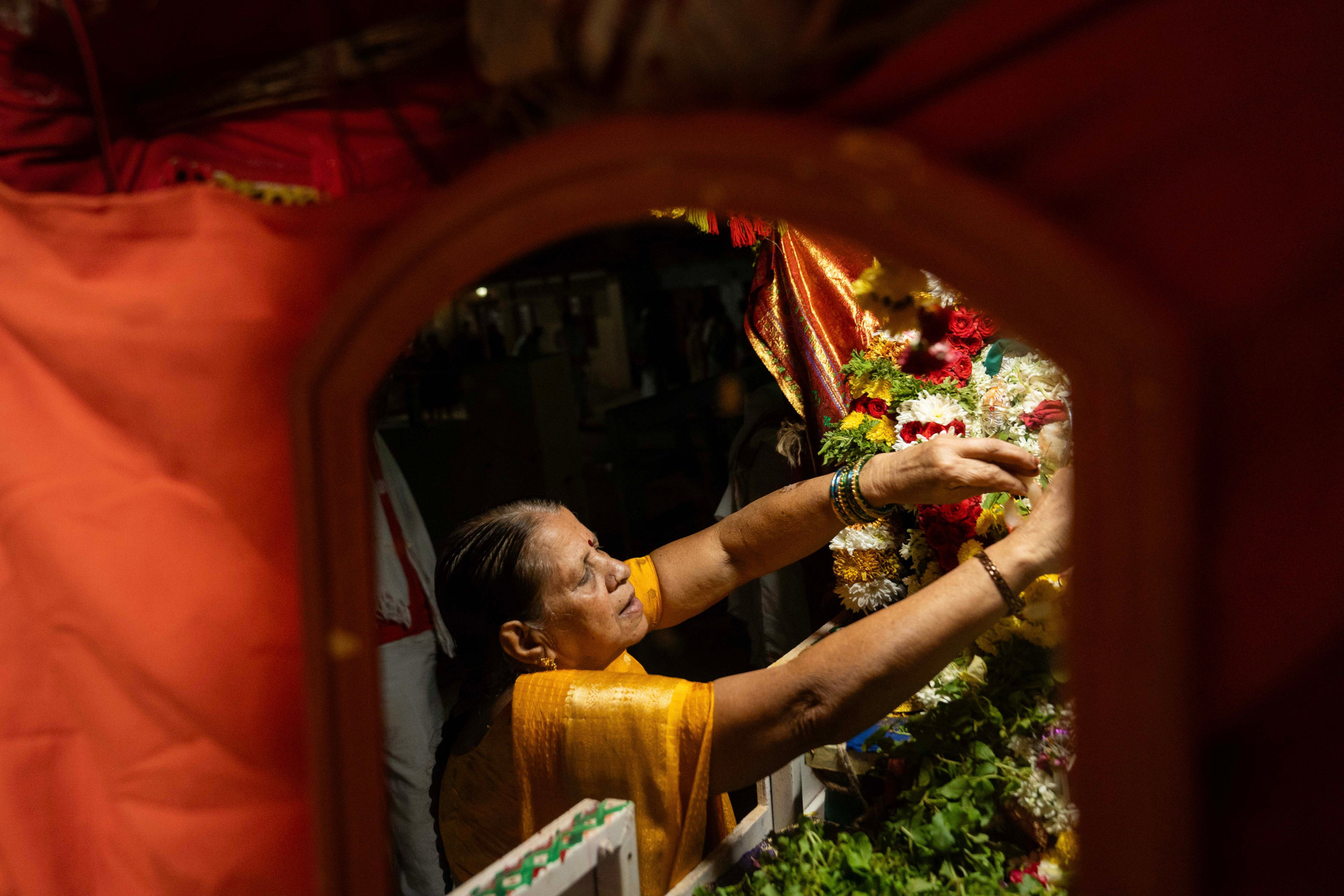
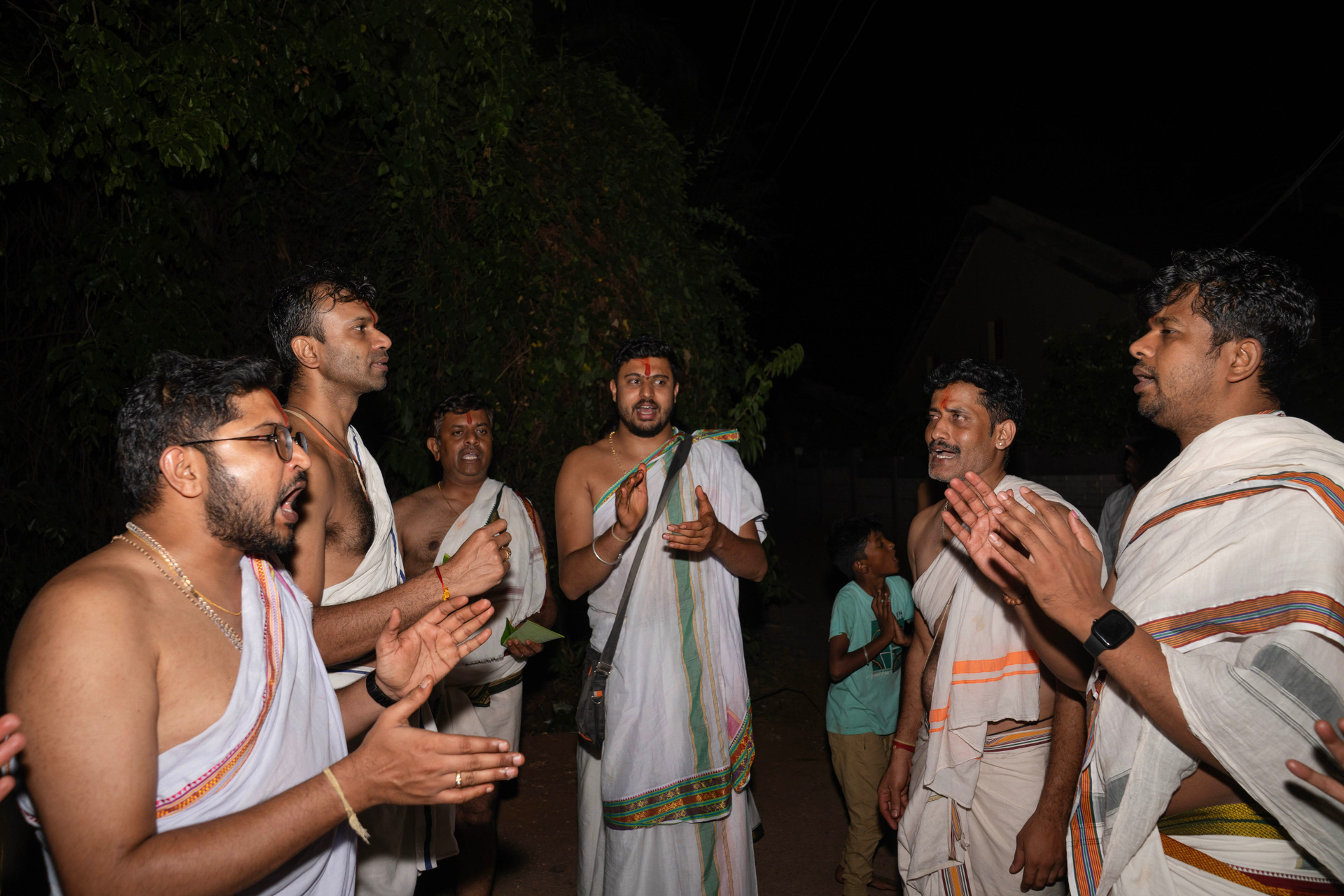
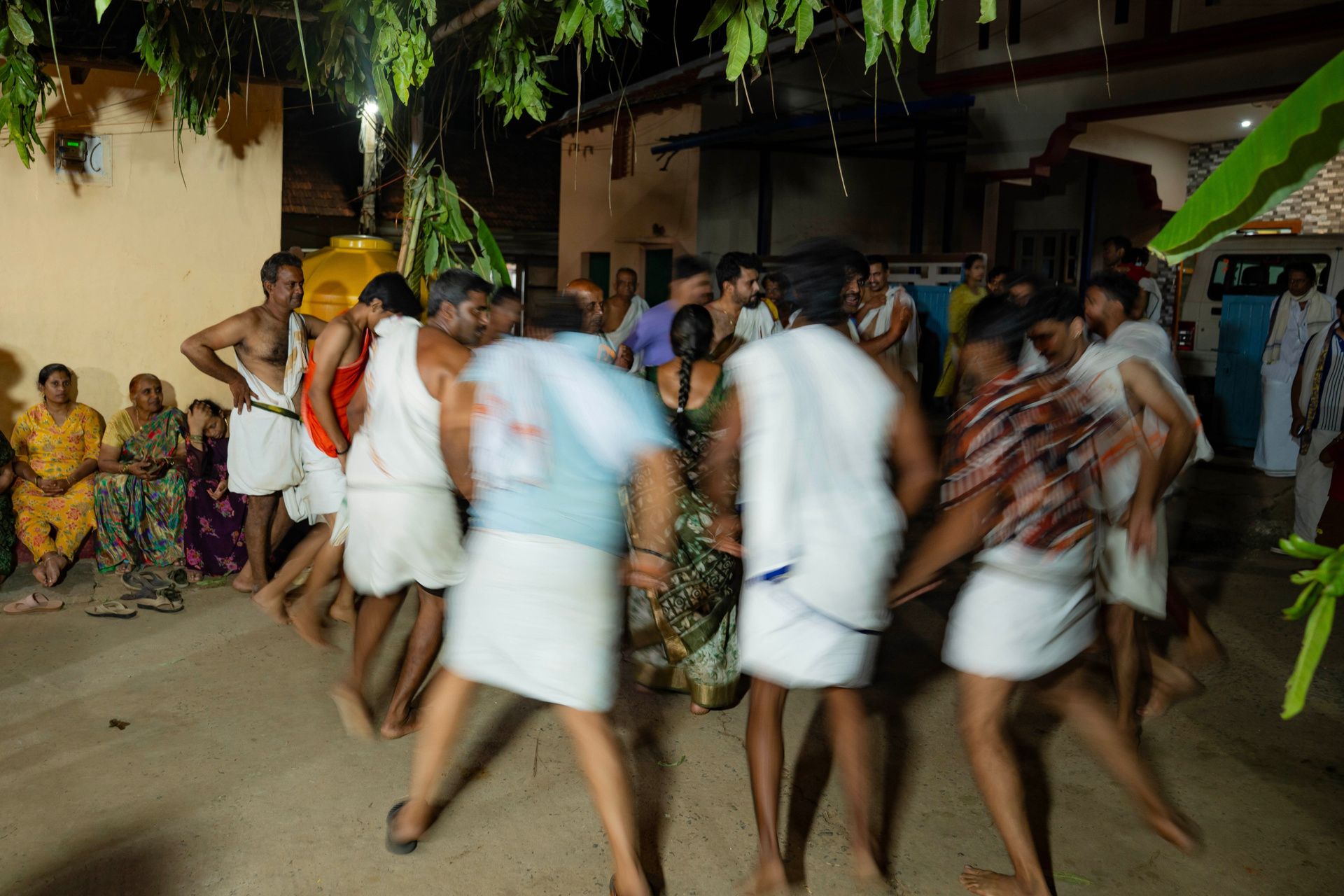
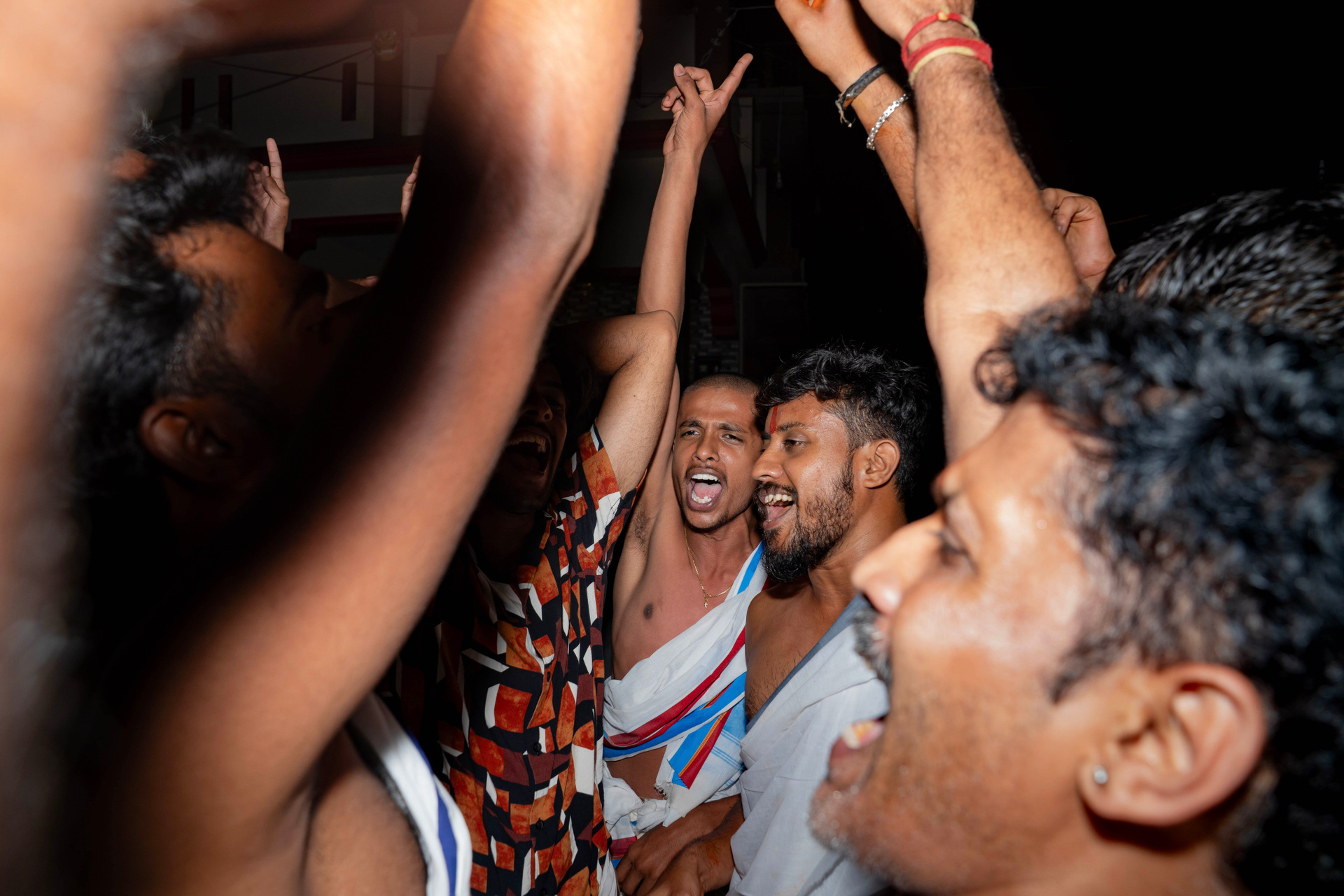
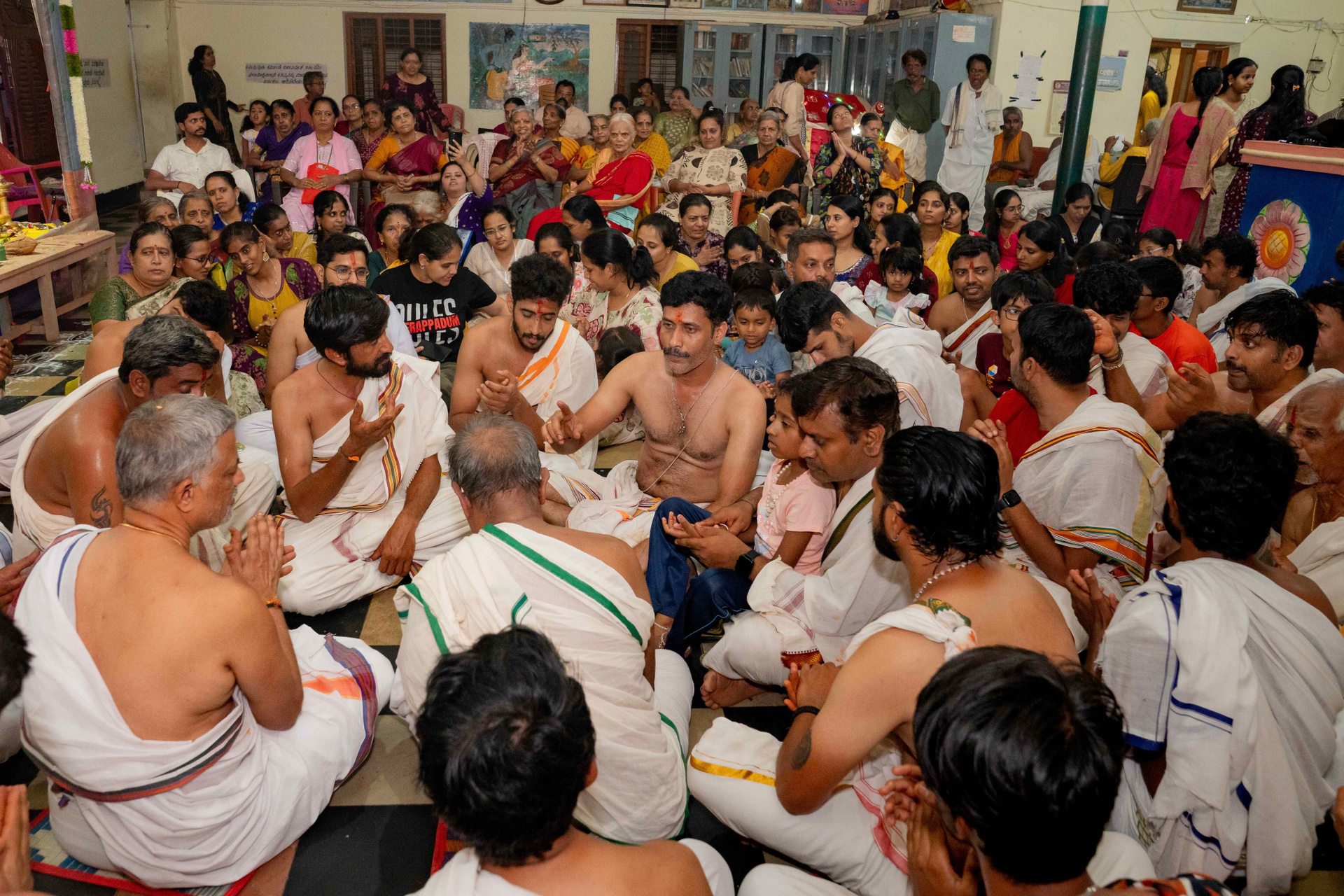
The festival runs ten days, and it is not one thing. There are bhajans, homa, puja. There is also food, and conversation, and every single evening some performance, music or dance or a play, a mridangam, a tabla, a flute, often by artists invited weeks ahead from the villages around. It used to be that a full meal was served only on the last day. Now they cook for all ten, breakfast and lunch both, so that nobody is given a reason to stay away.
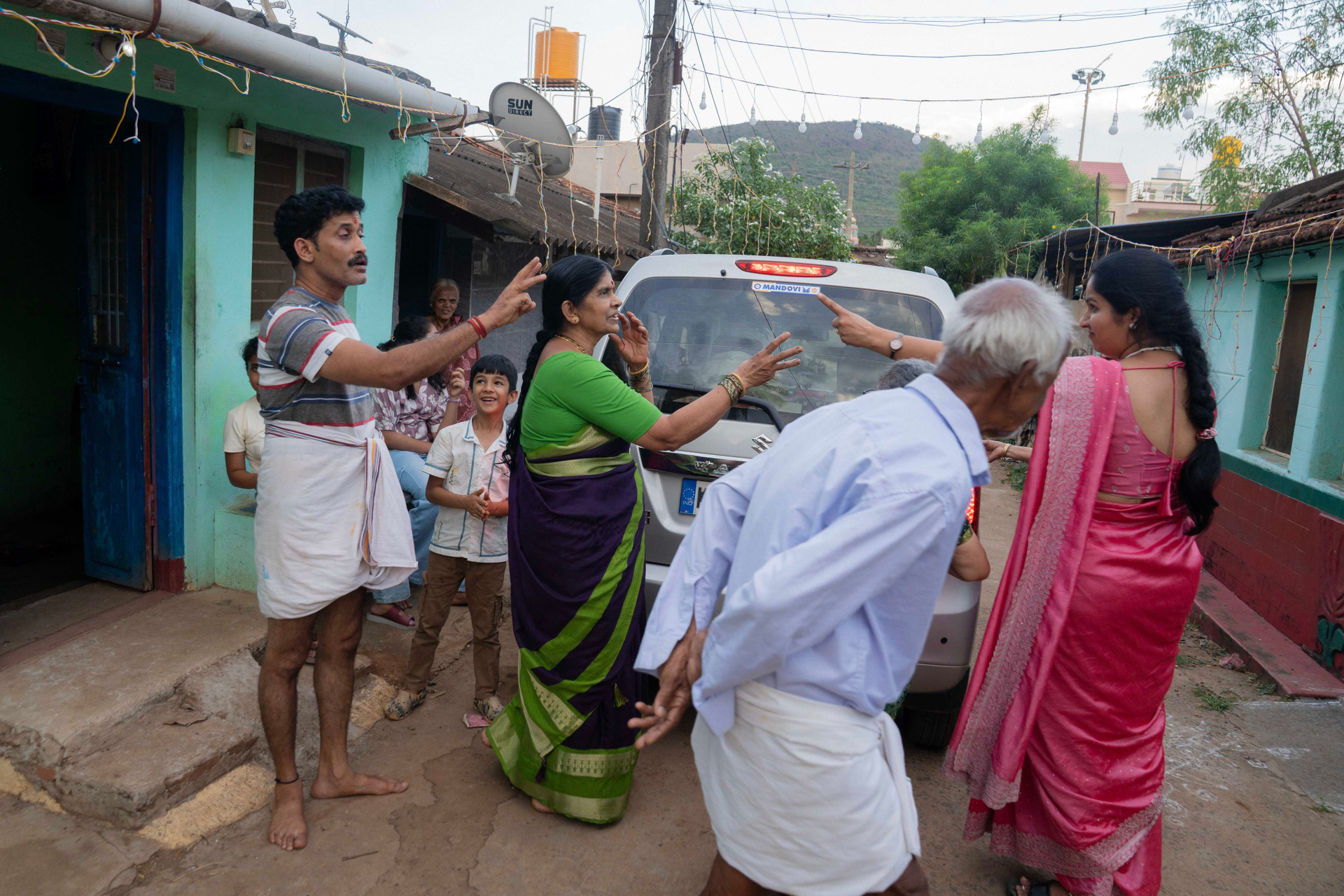
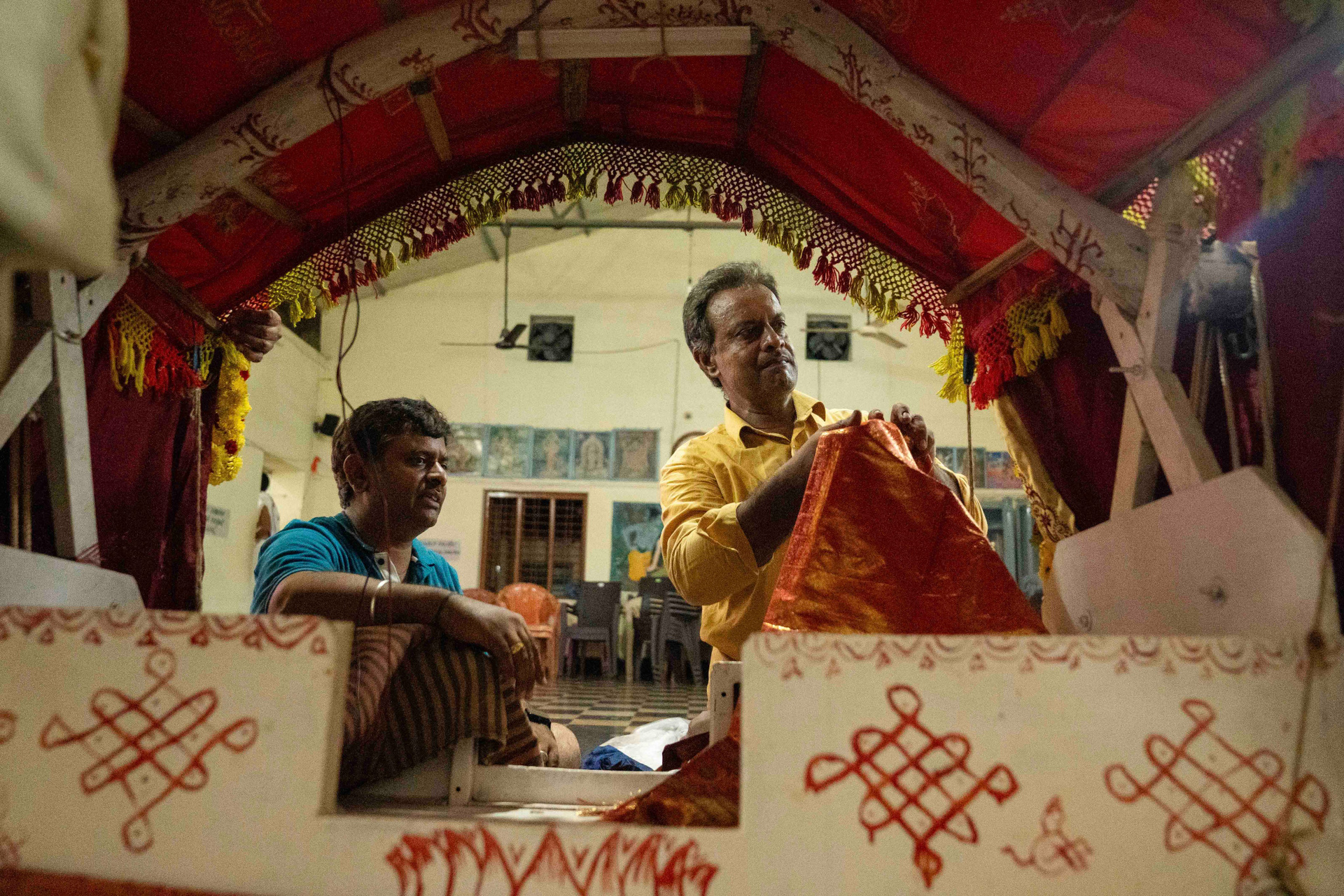
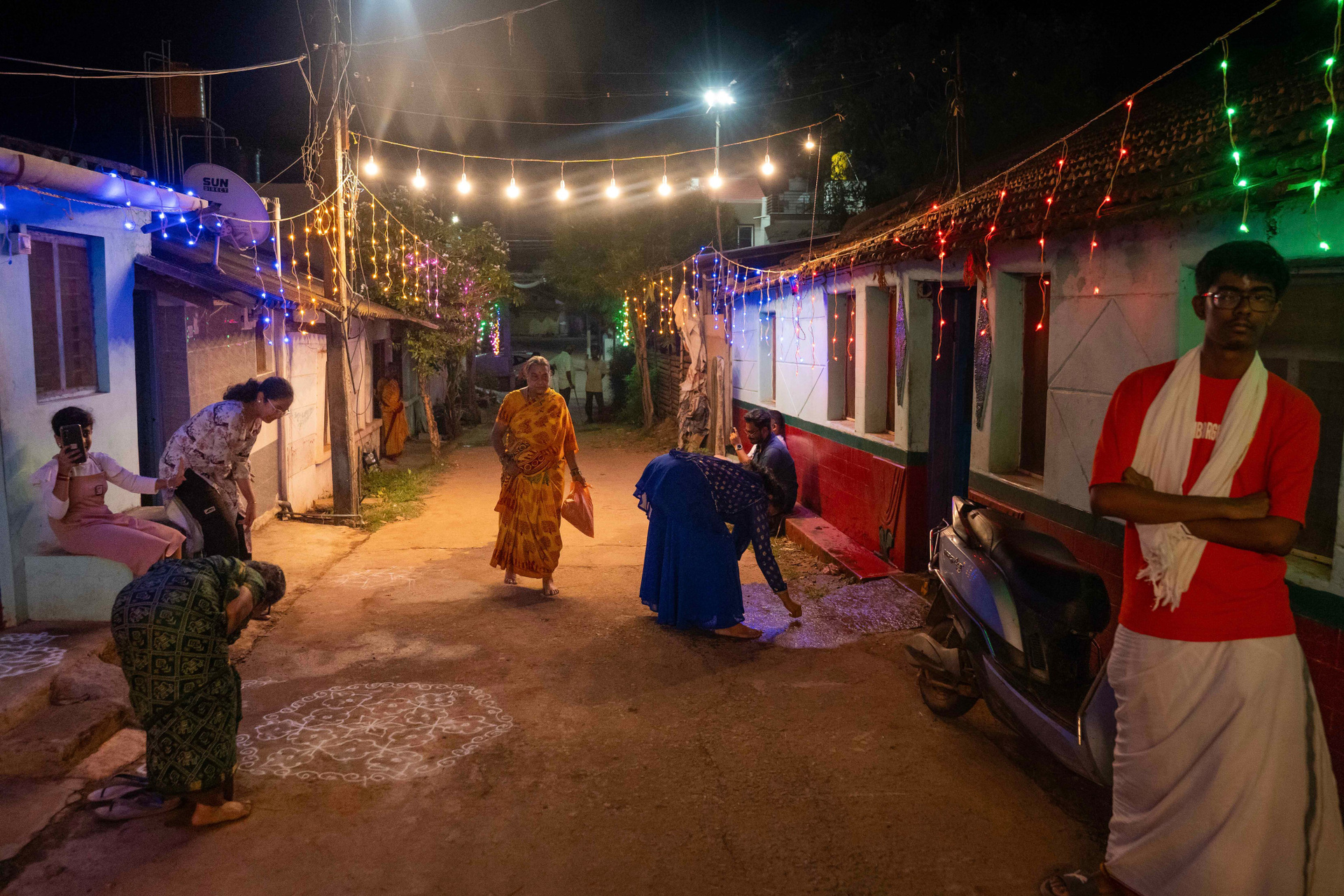
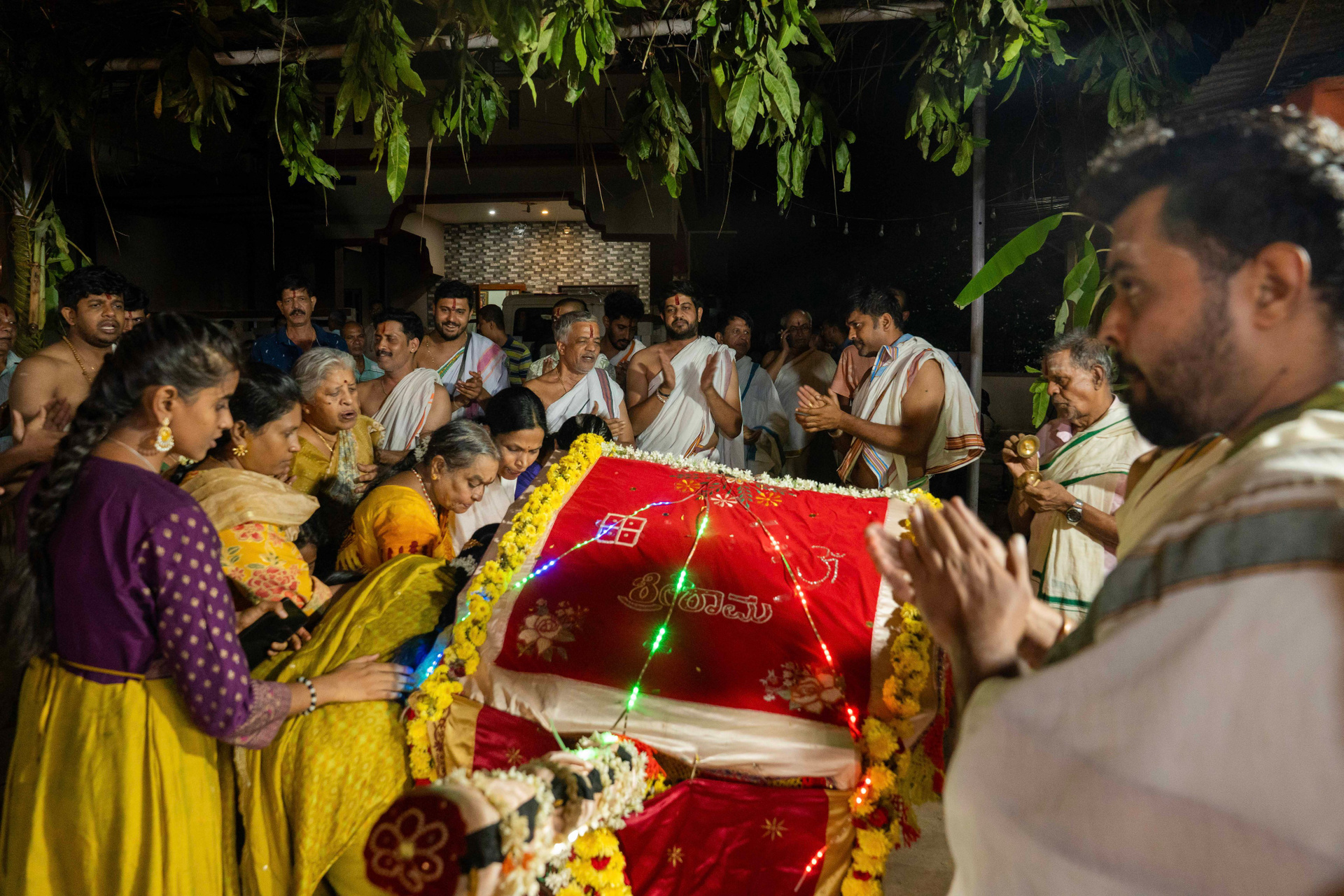
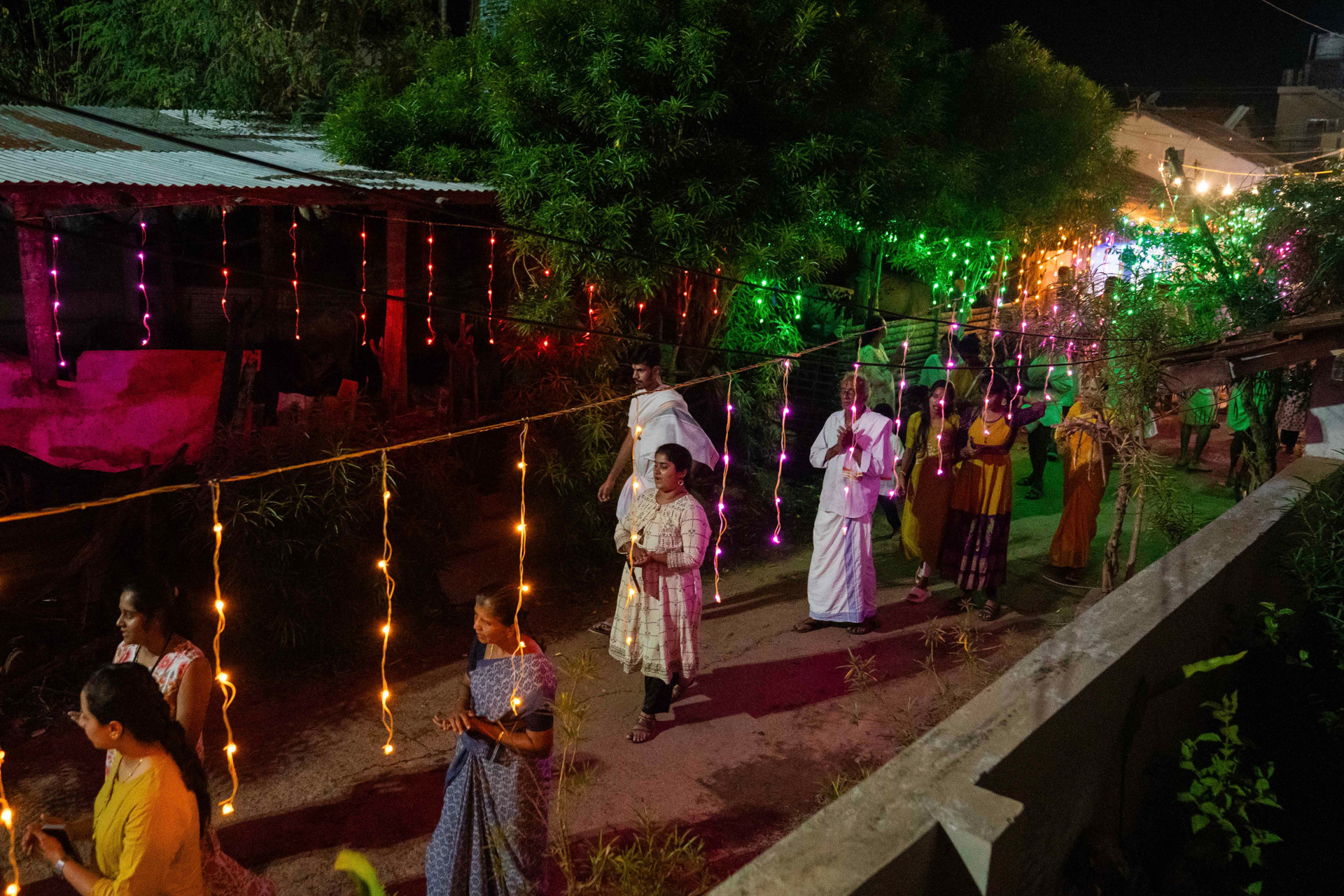
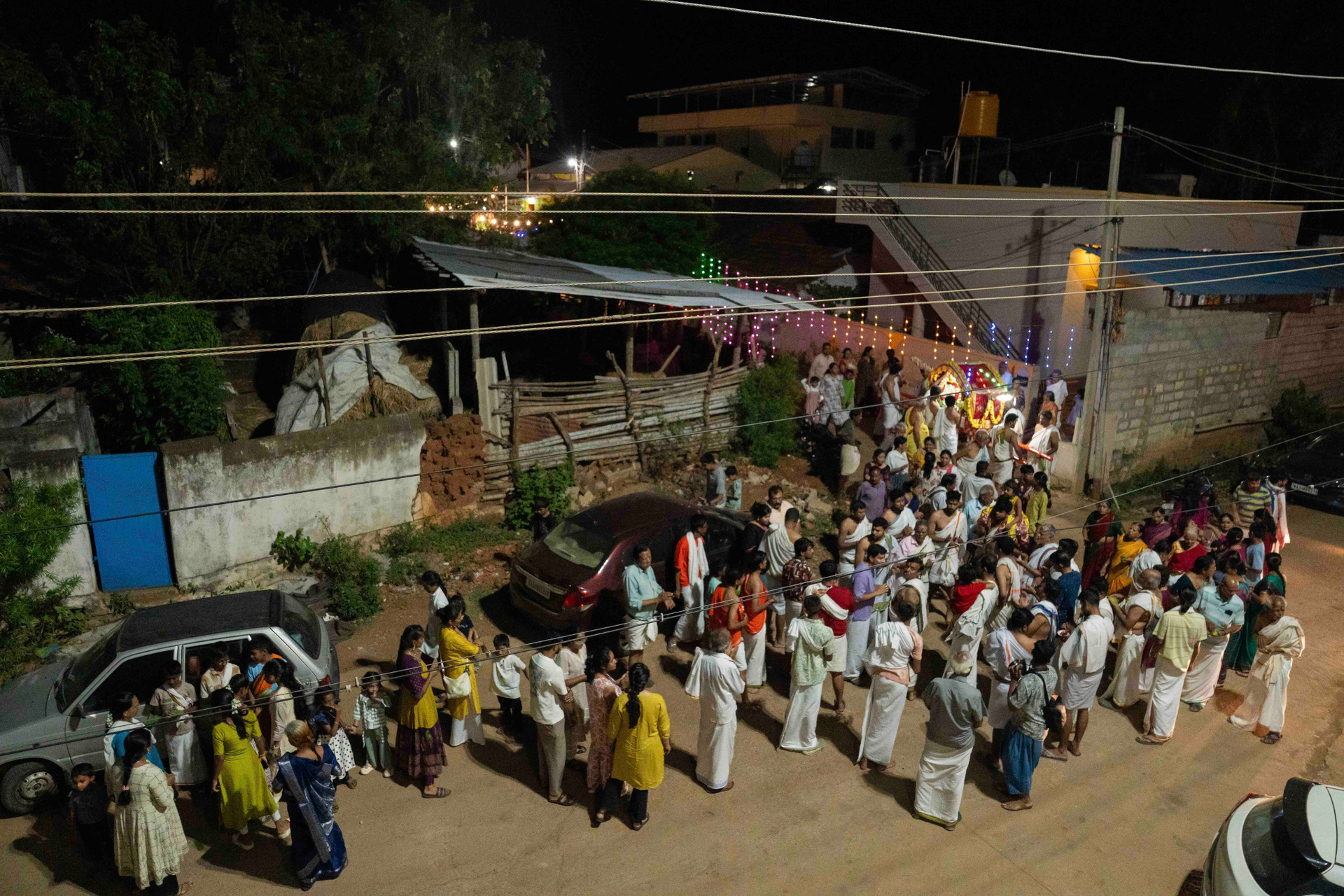
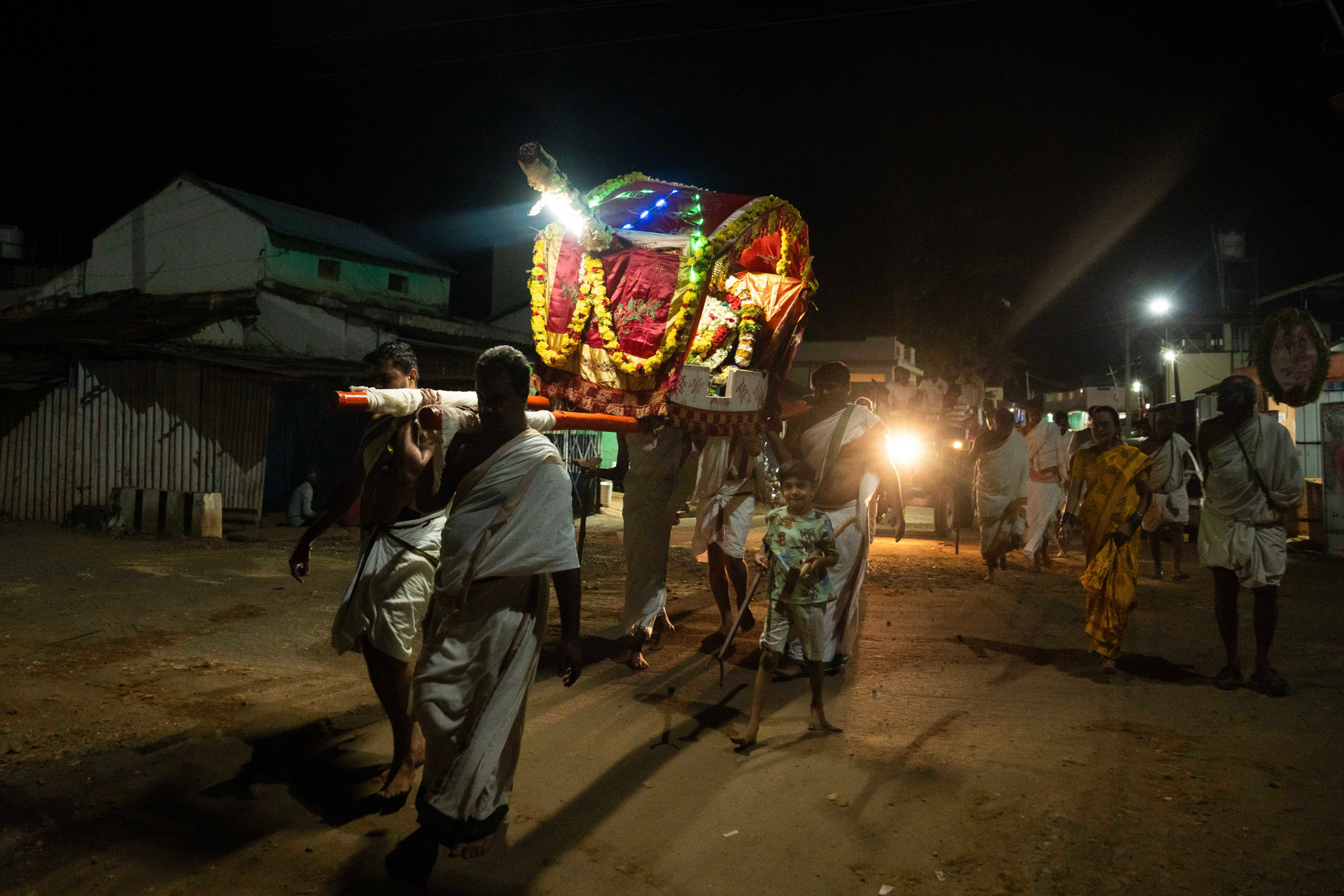
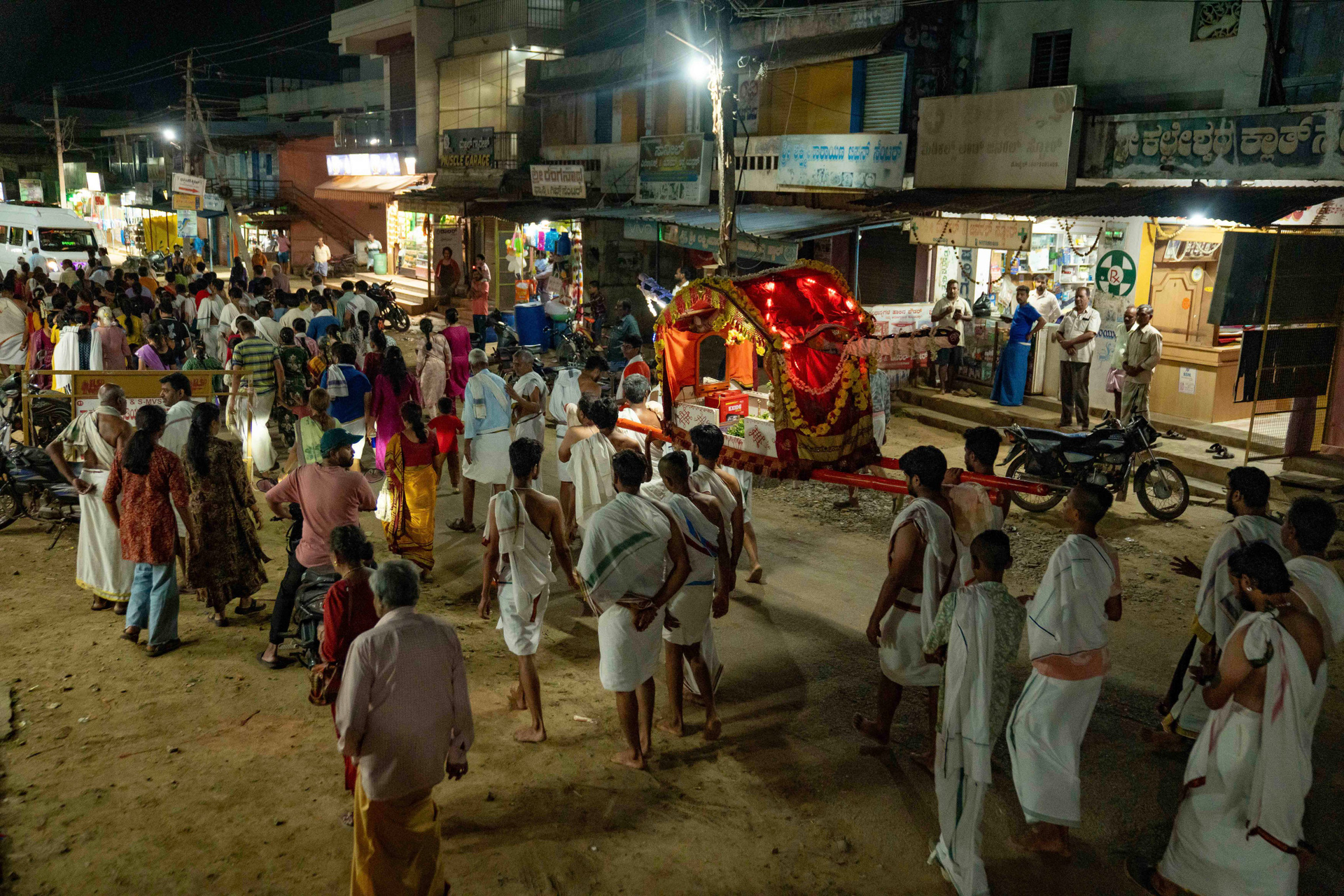
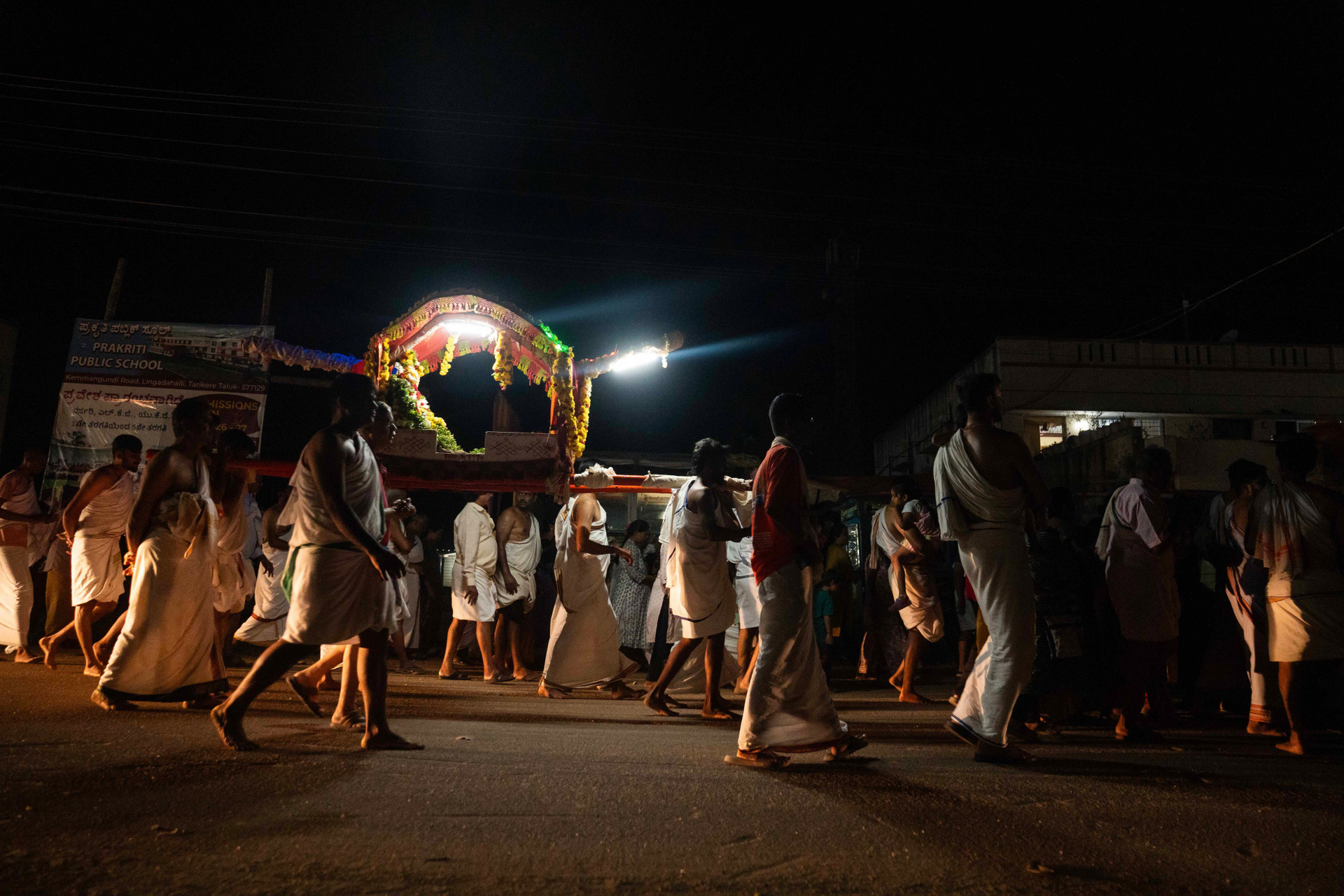
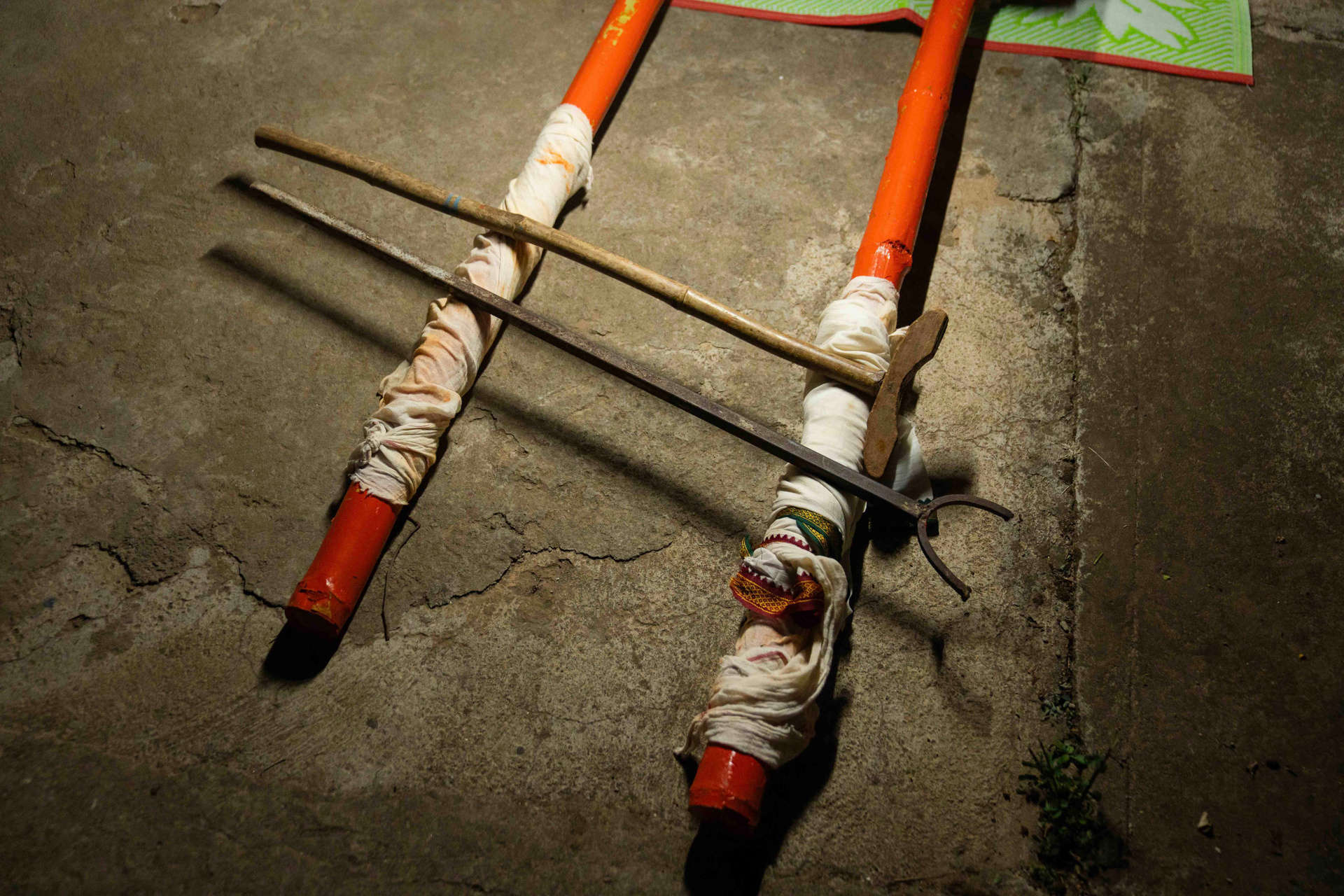
The last two days are pinned to a weekend on purpose, because that is when the people who left for Bangalore and the other cities can drive back. It is worth the drive, because the last two days are when the utsava pallakki comes out. Everyone walks it through the streets, singing, and for a little while the place is as full as it ever gets.
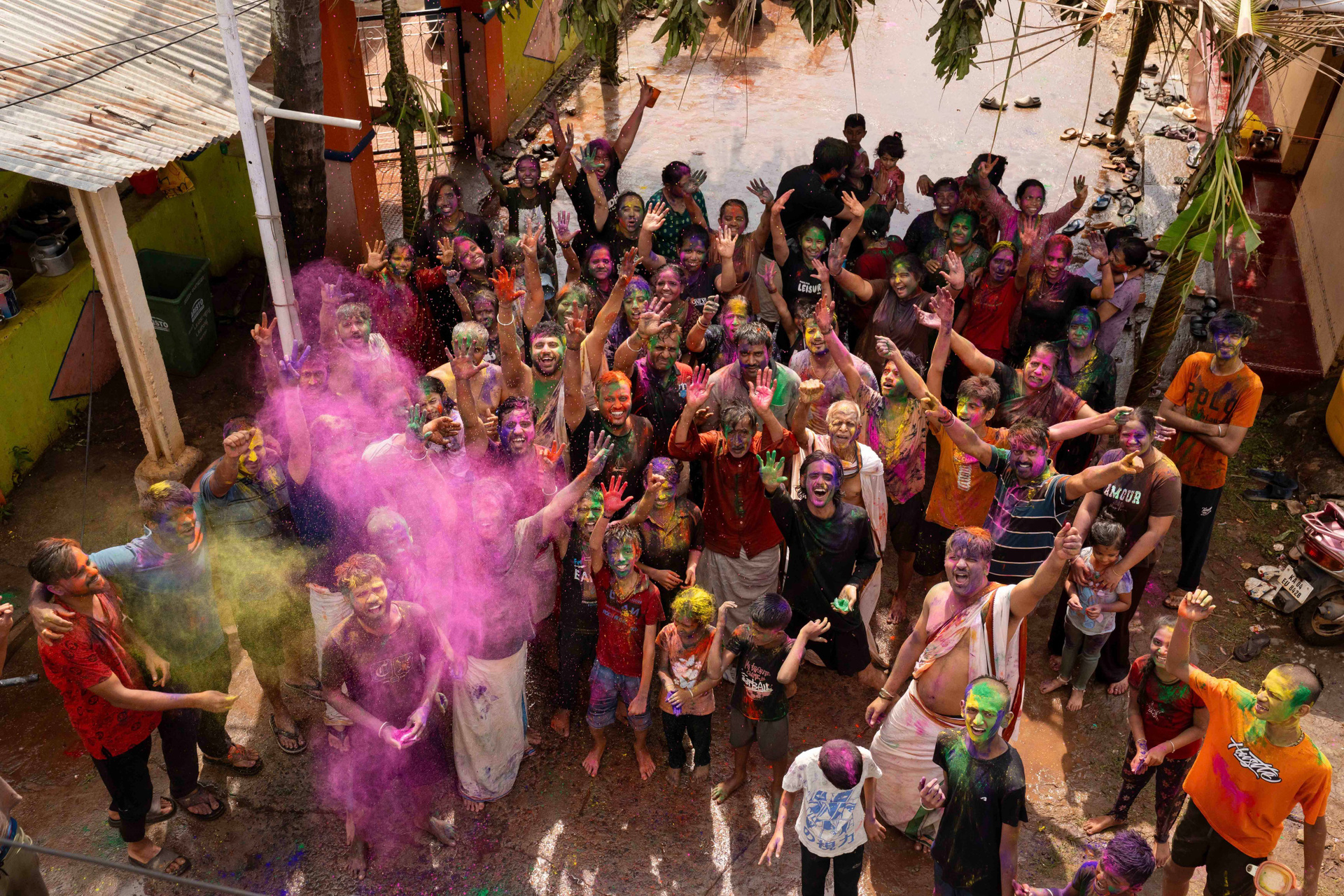
That fullness is what the ten days are really for. If you have spent real time in a small village, you know that time can sit heavy there, that the days do not always pass on their own. These ten are the ones people wait for all year. And when it ends, there is a particular ache to it. The visitors have to leave, and the ones who stay feel the place go suddenly quiet again. A village filled right up to the brim, then emptied in a single afternoon.
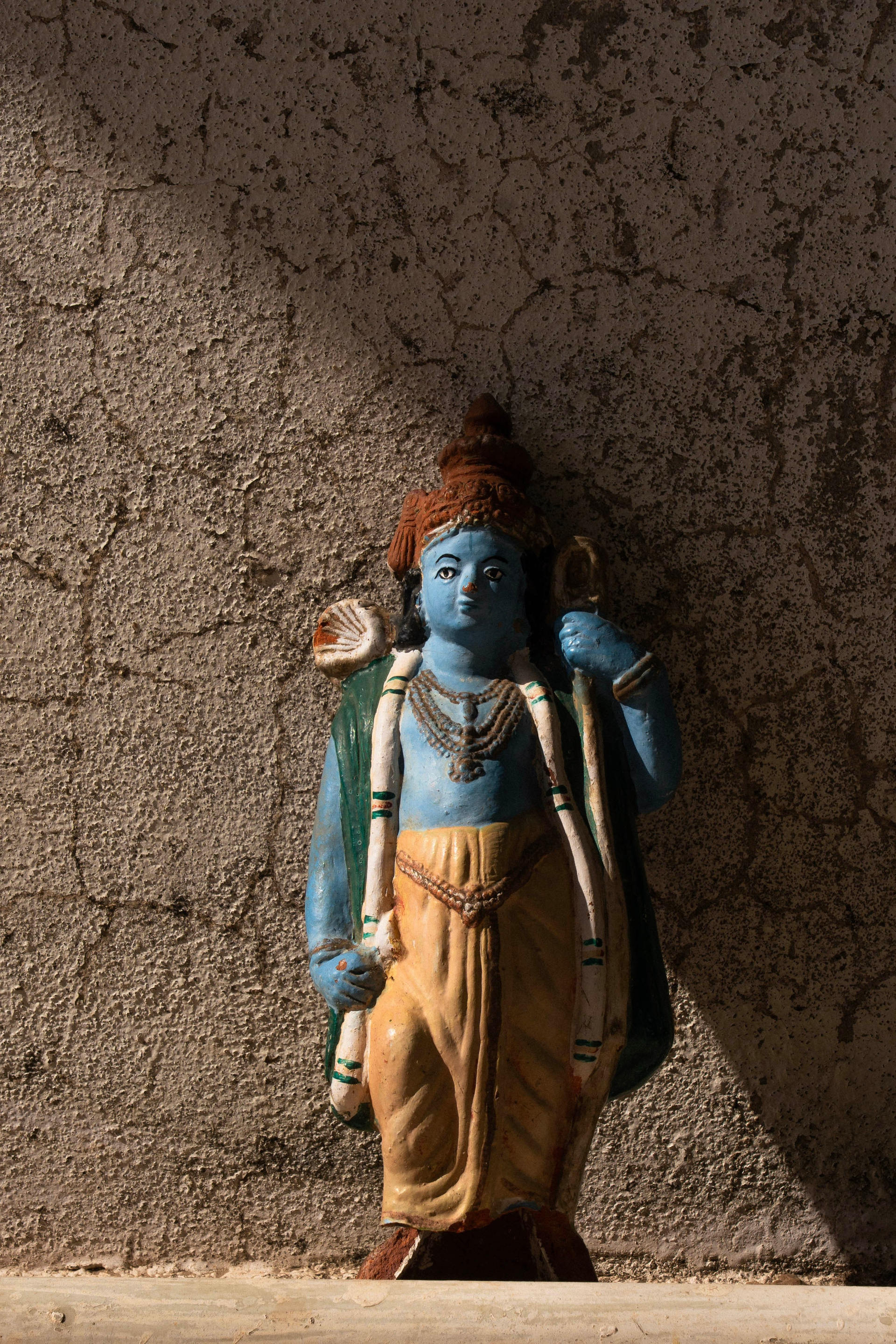
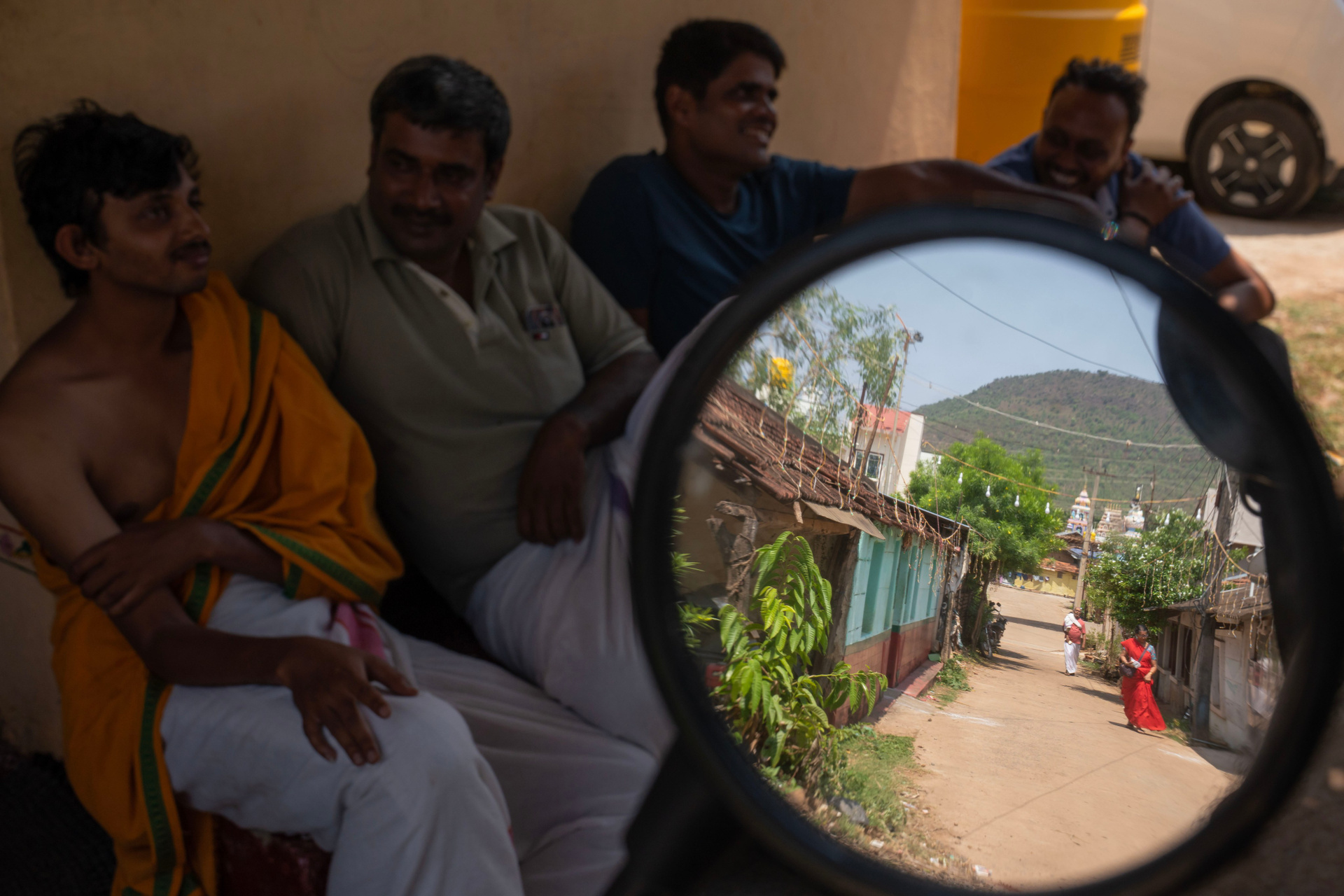
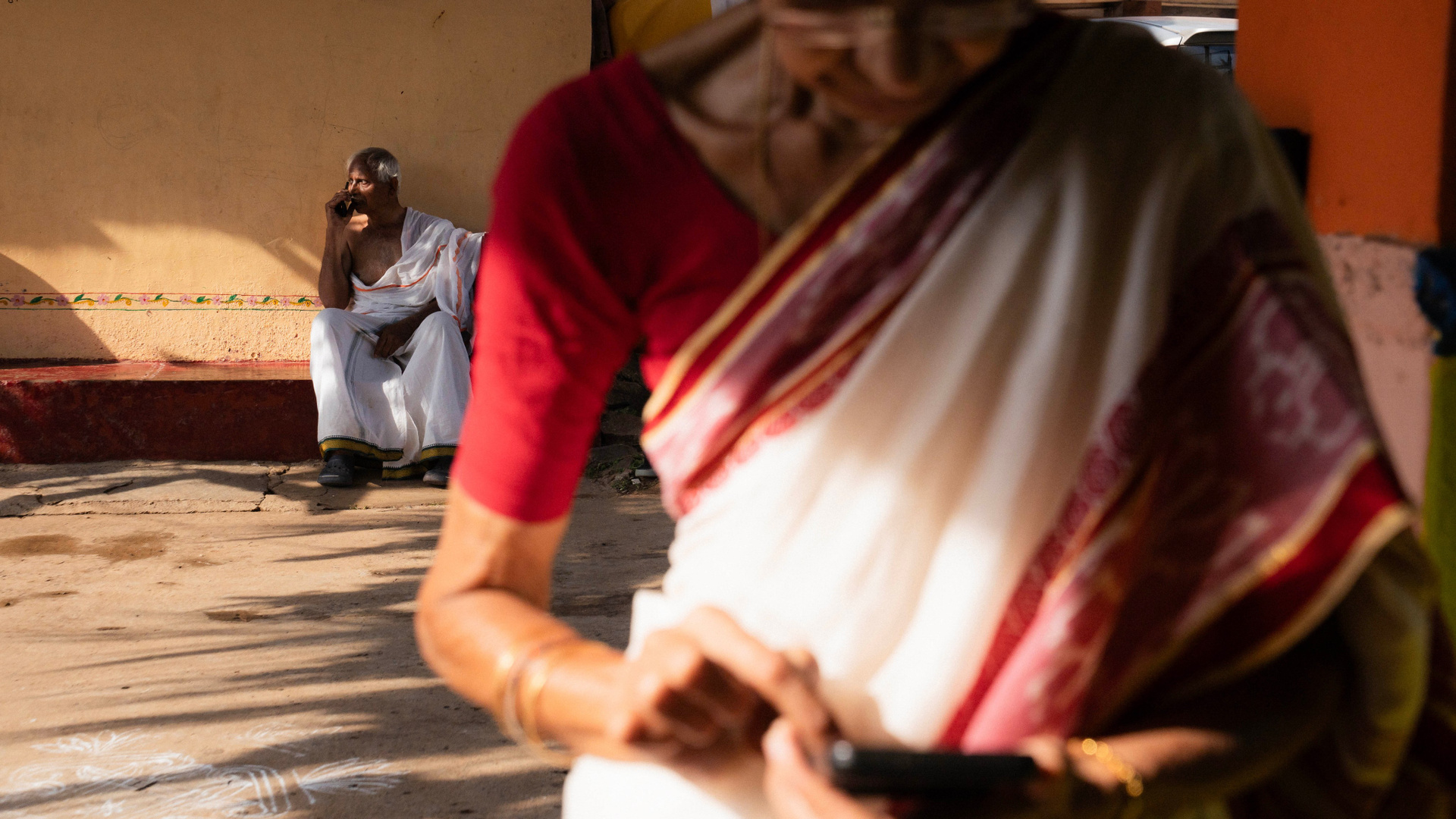
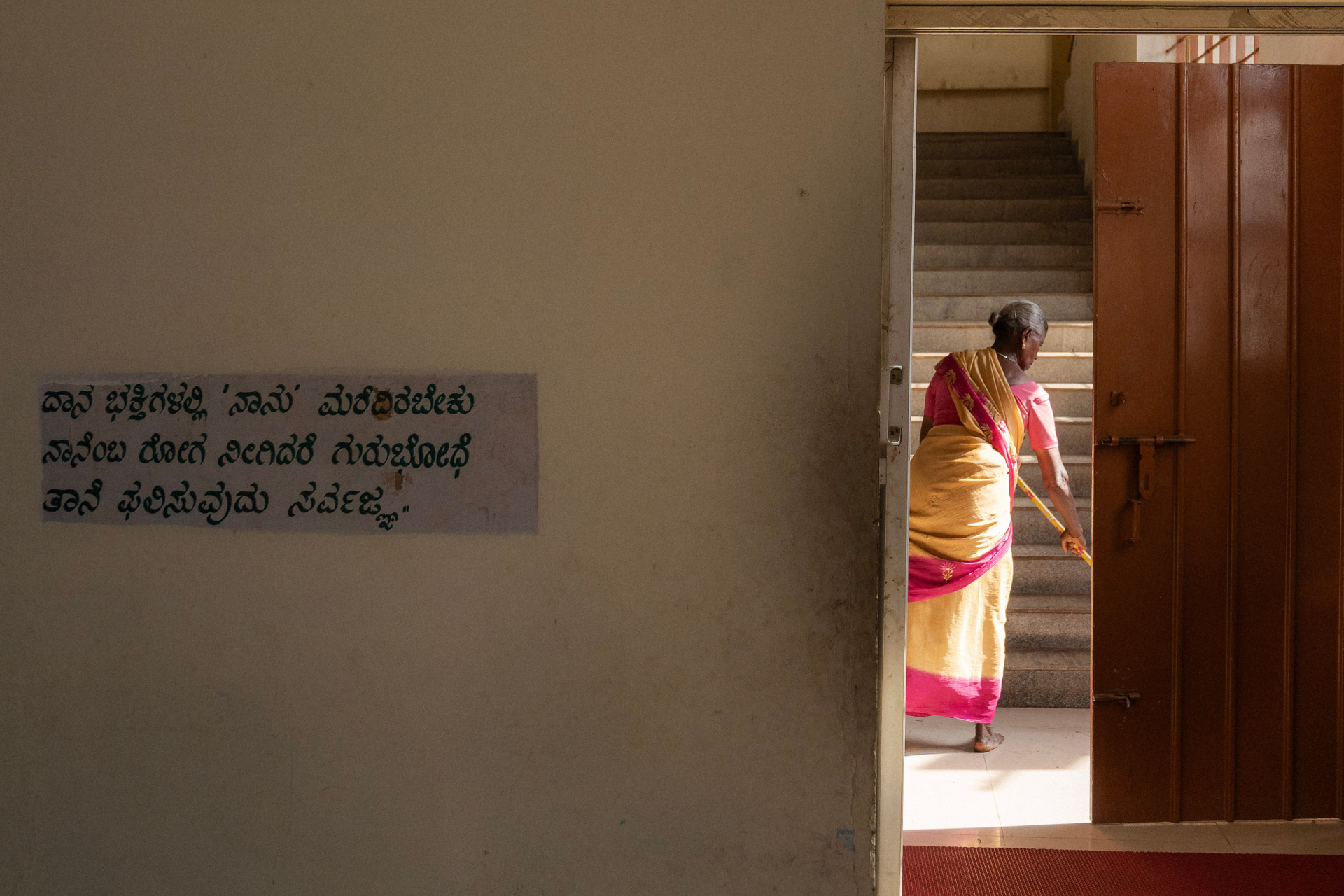
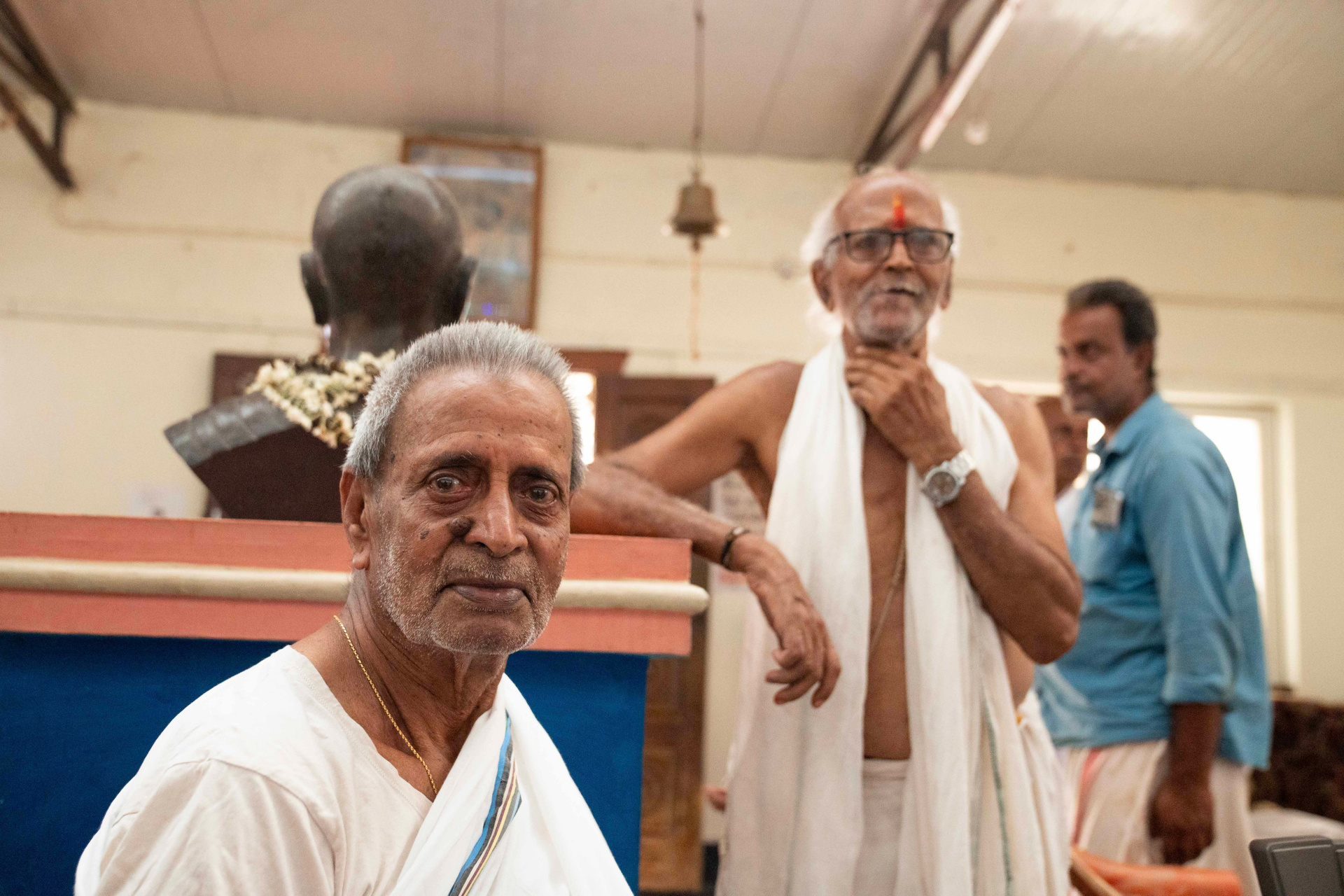
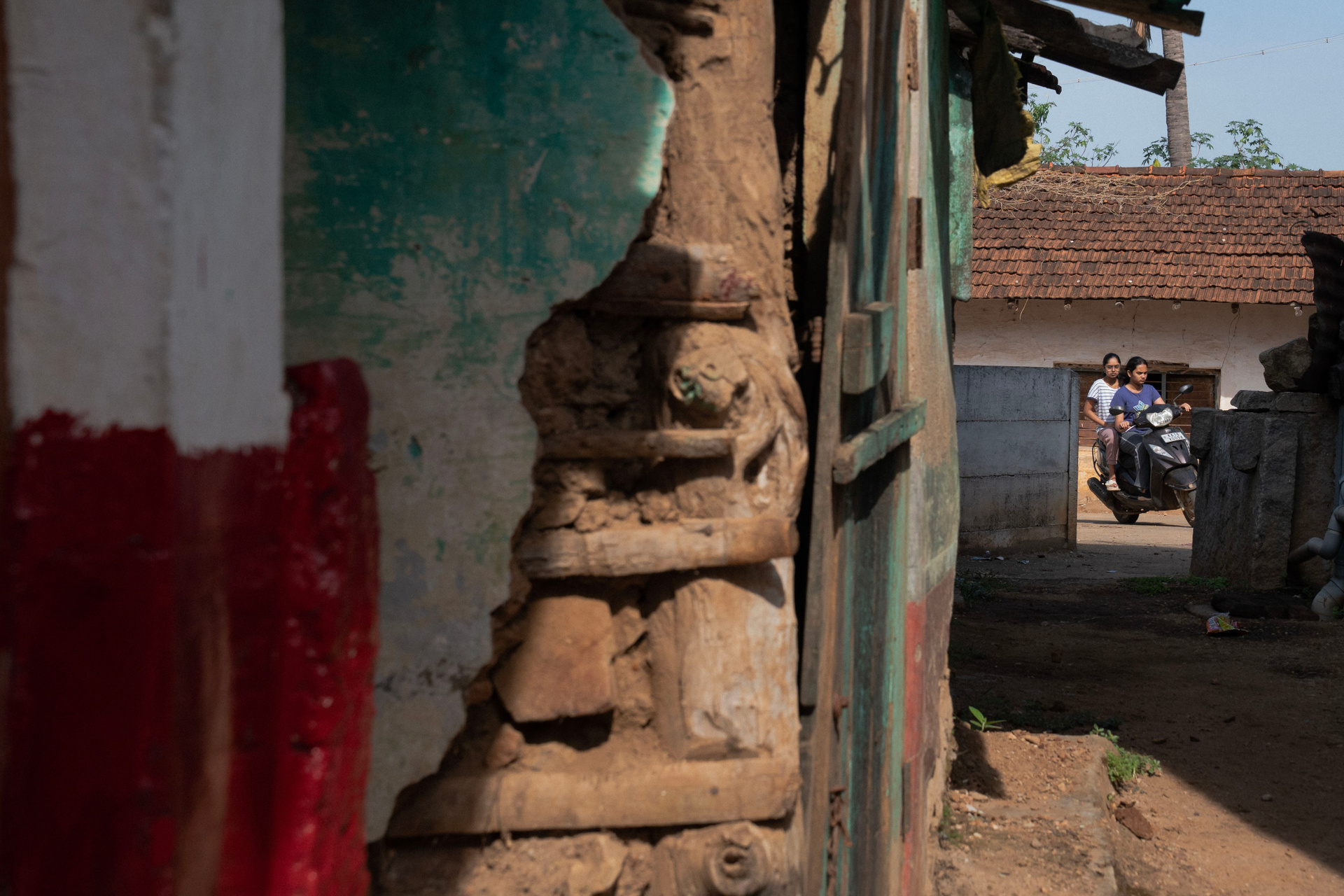
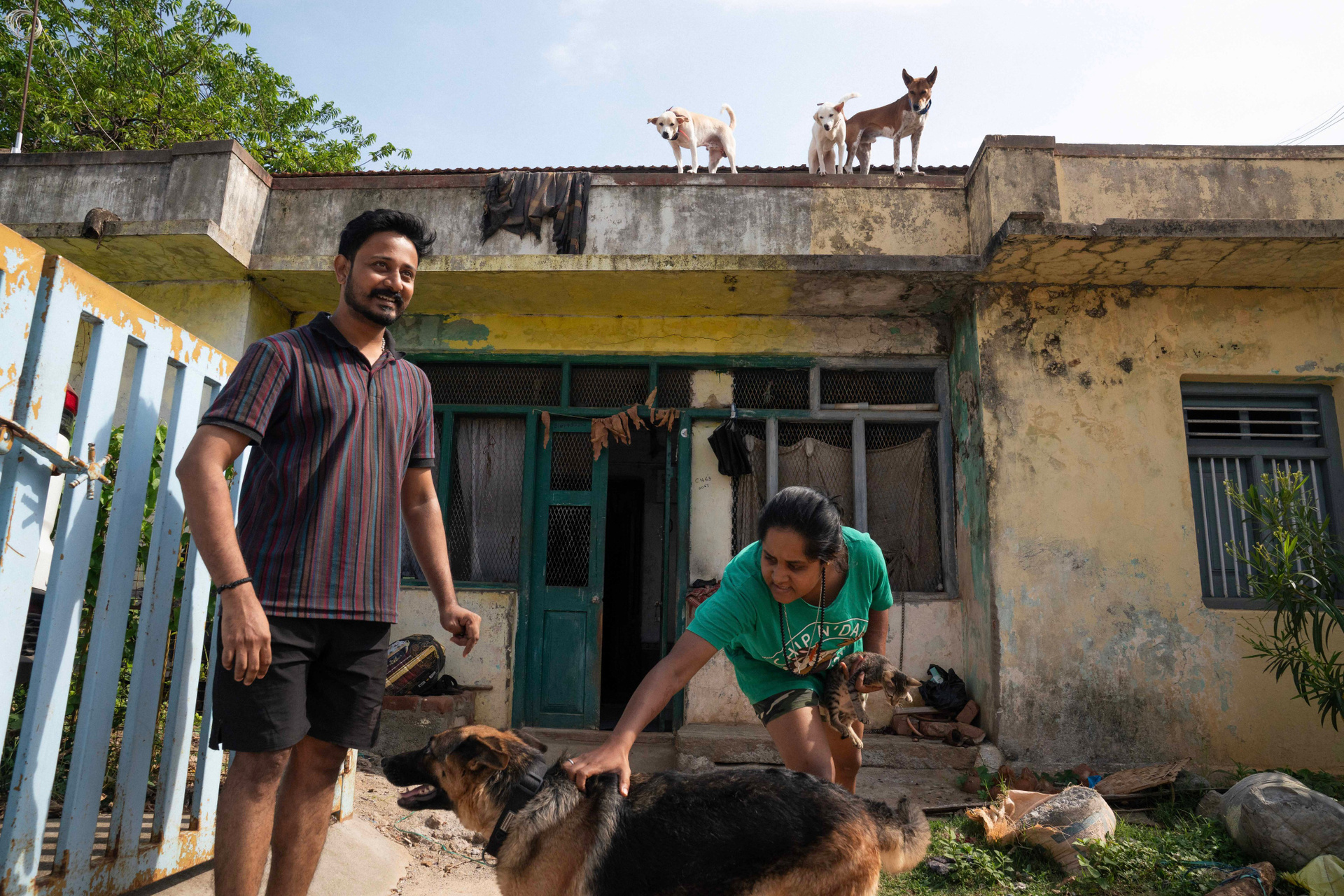
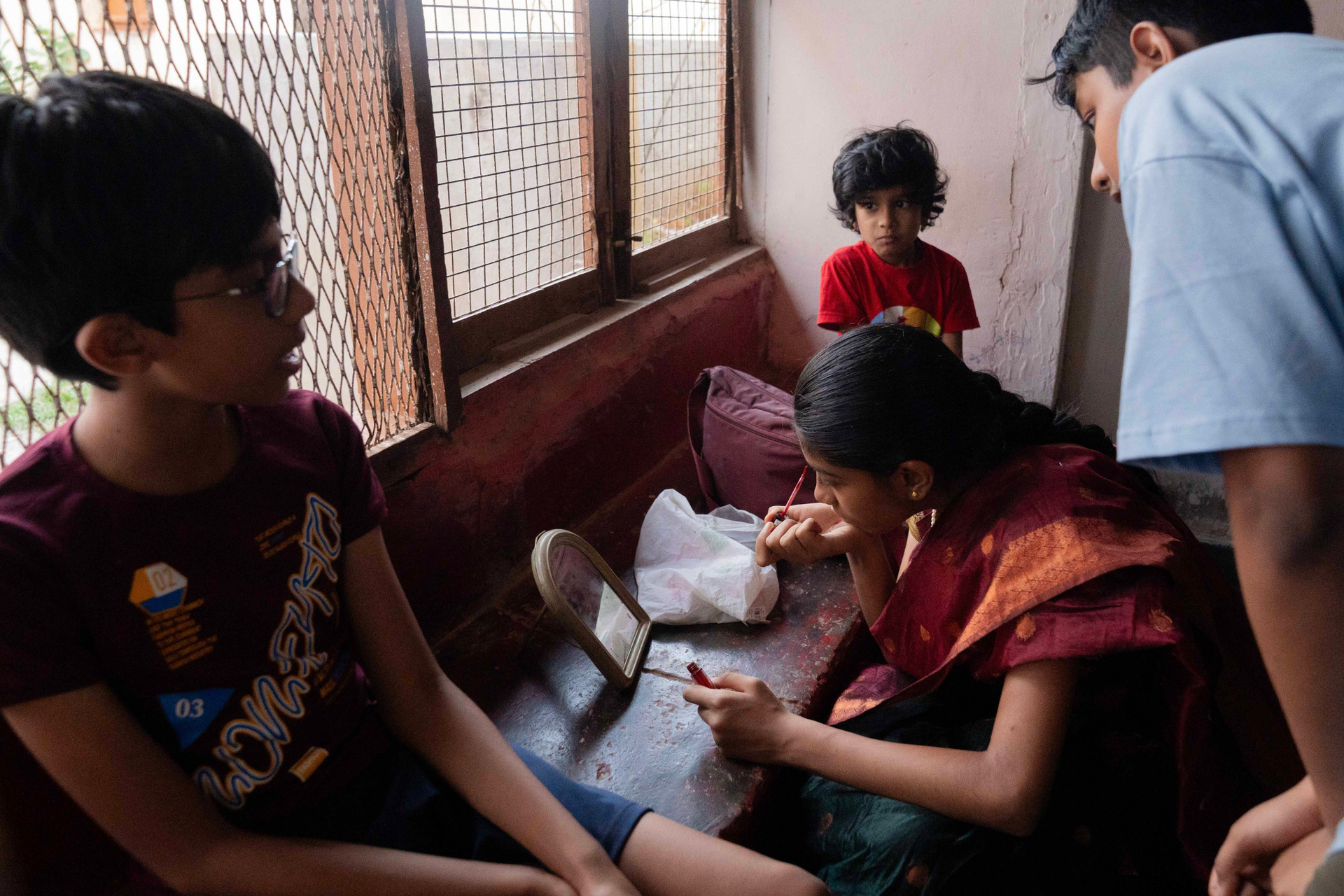
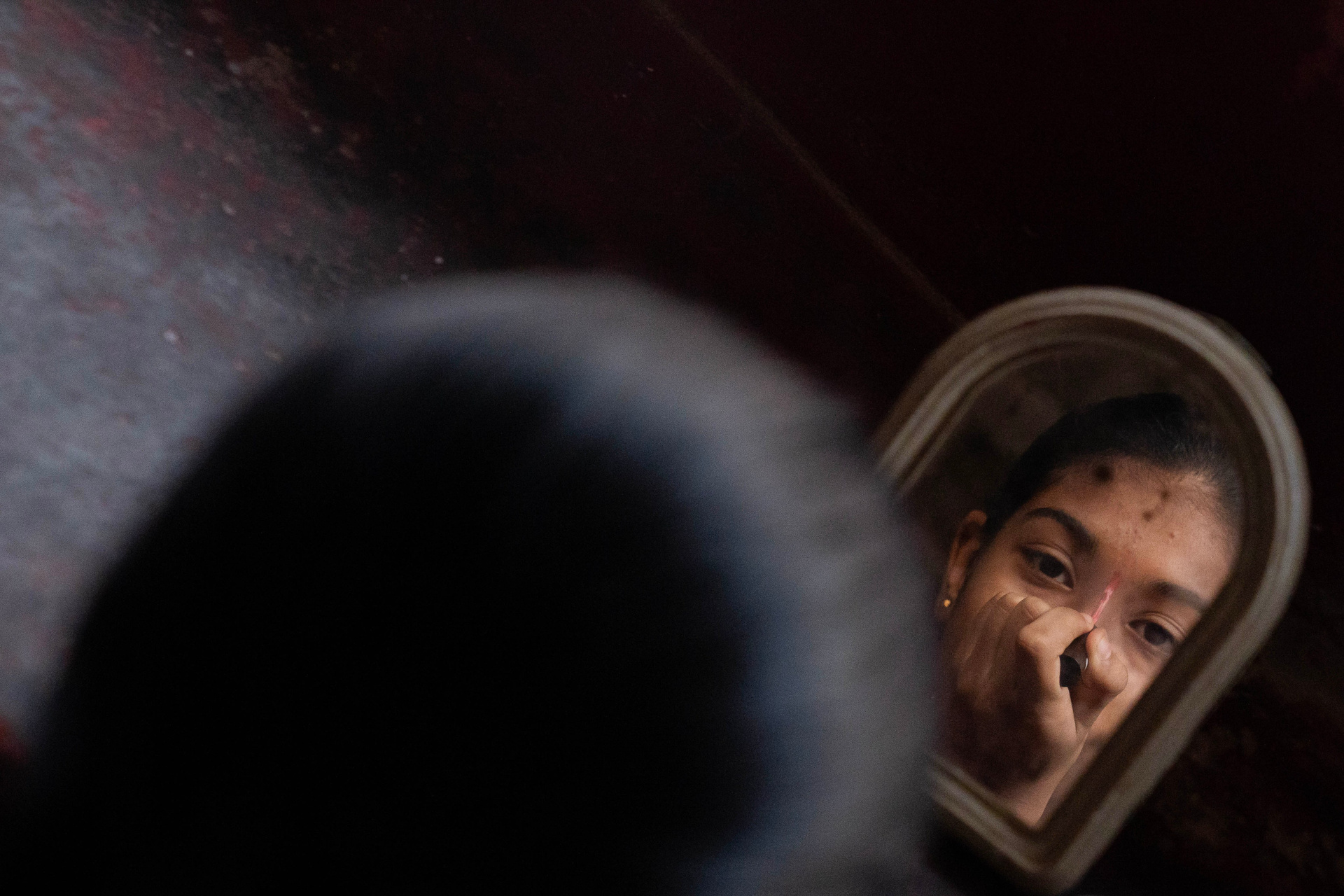
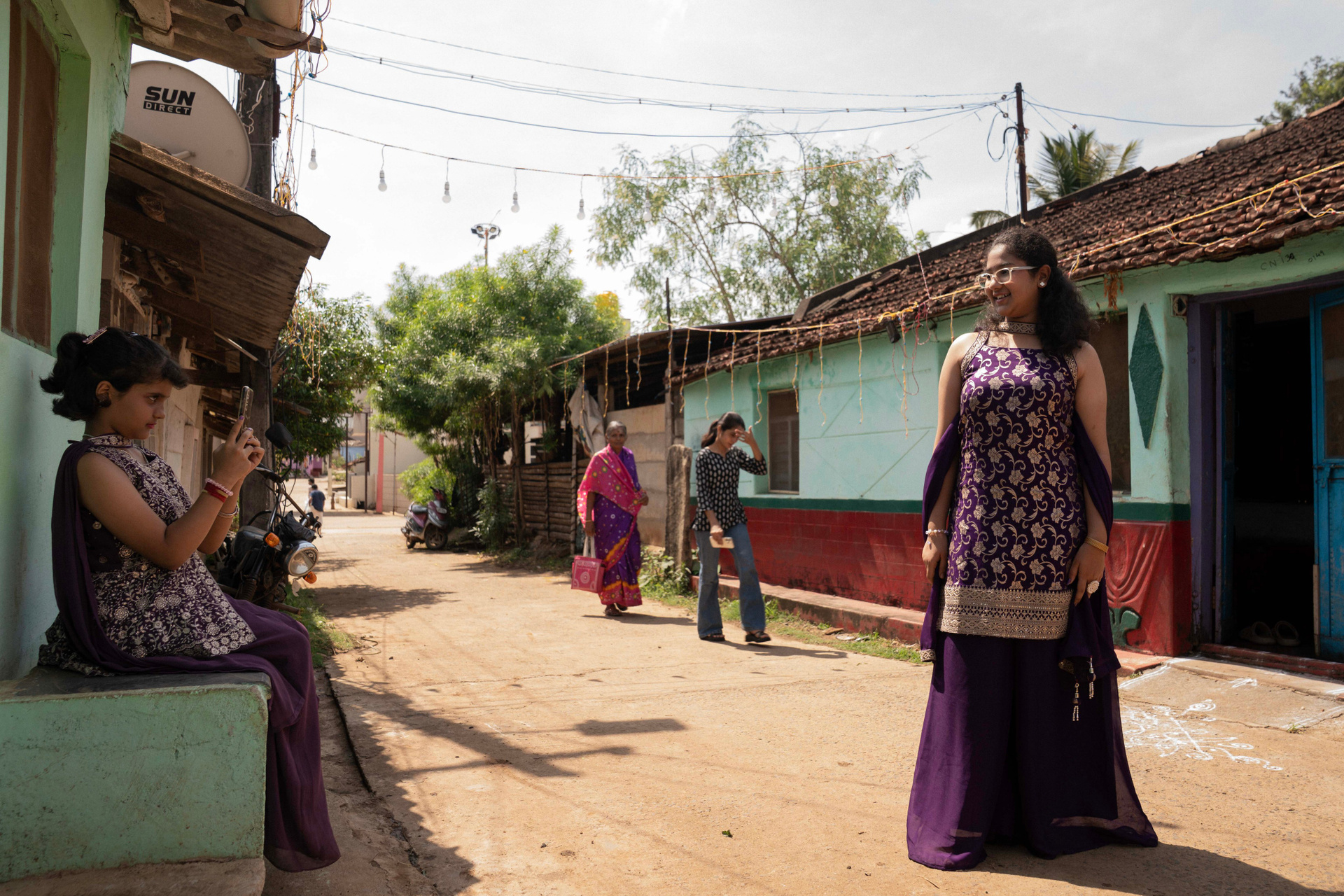
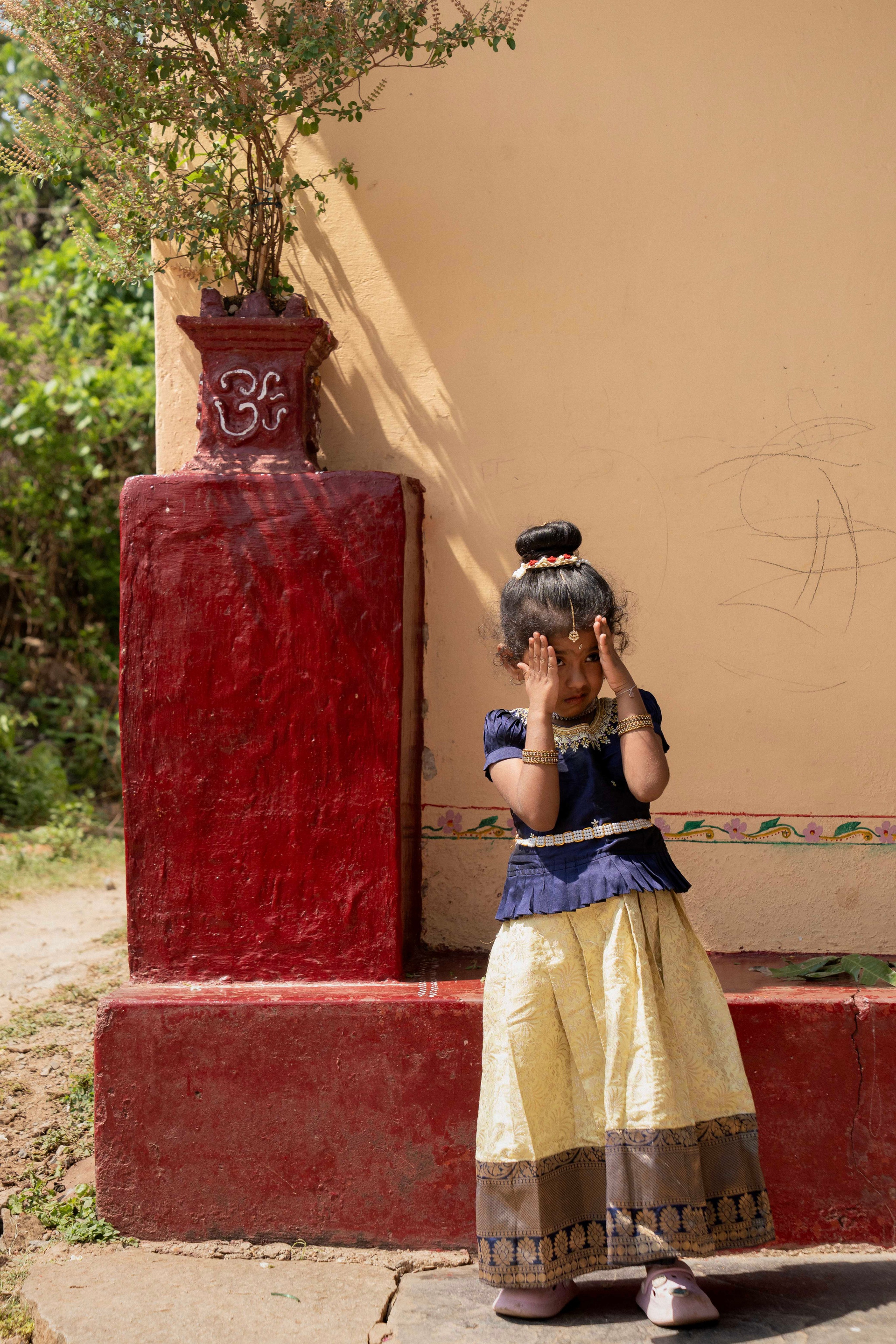
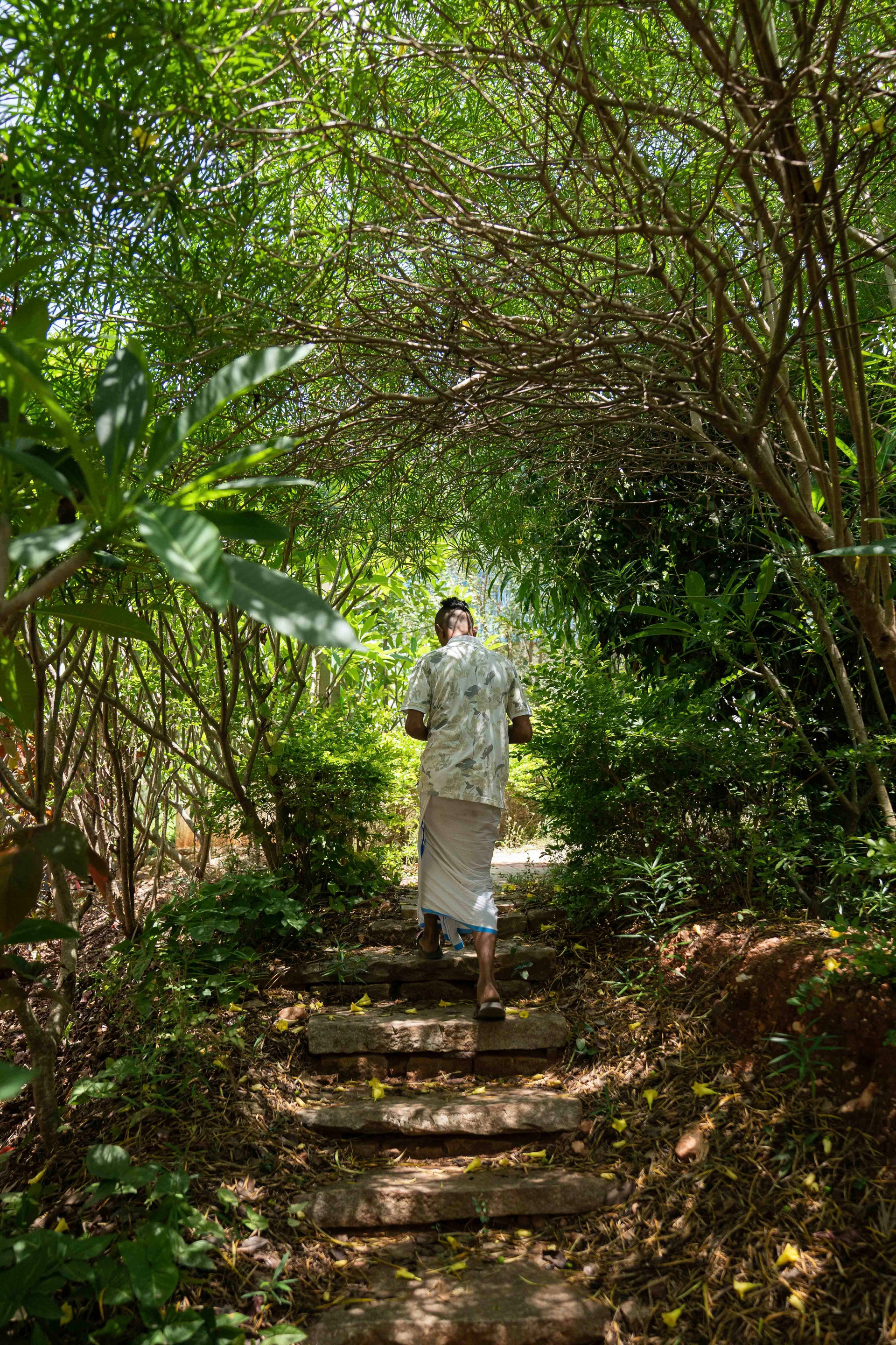
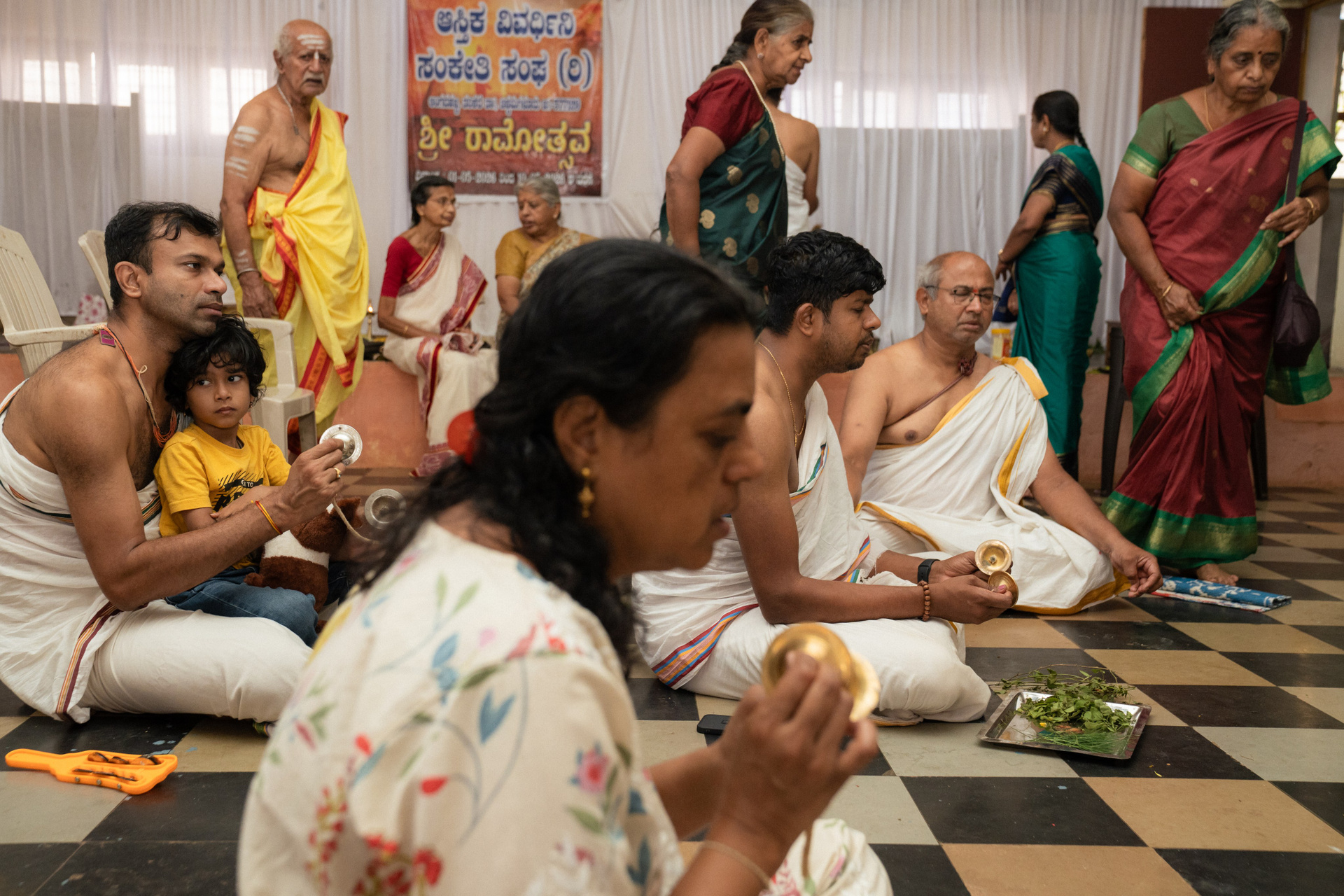
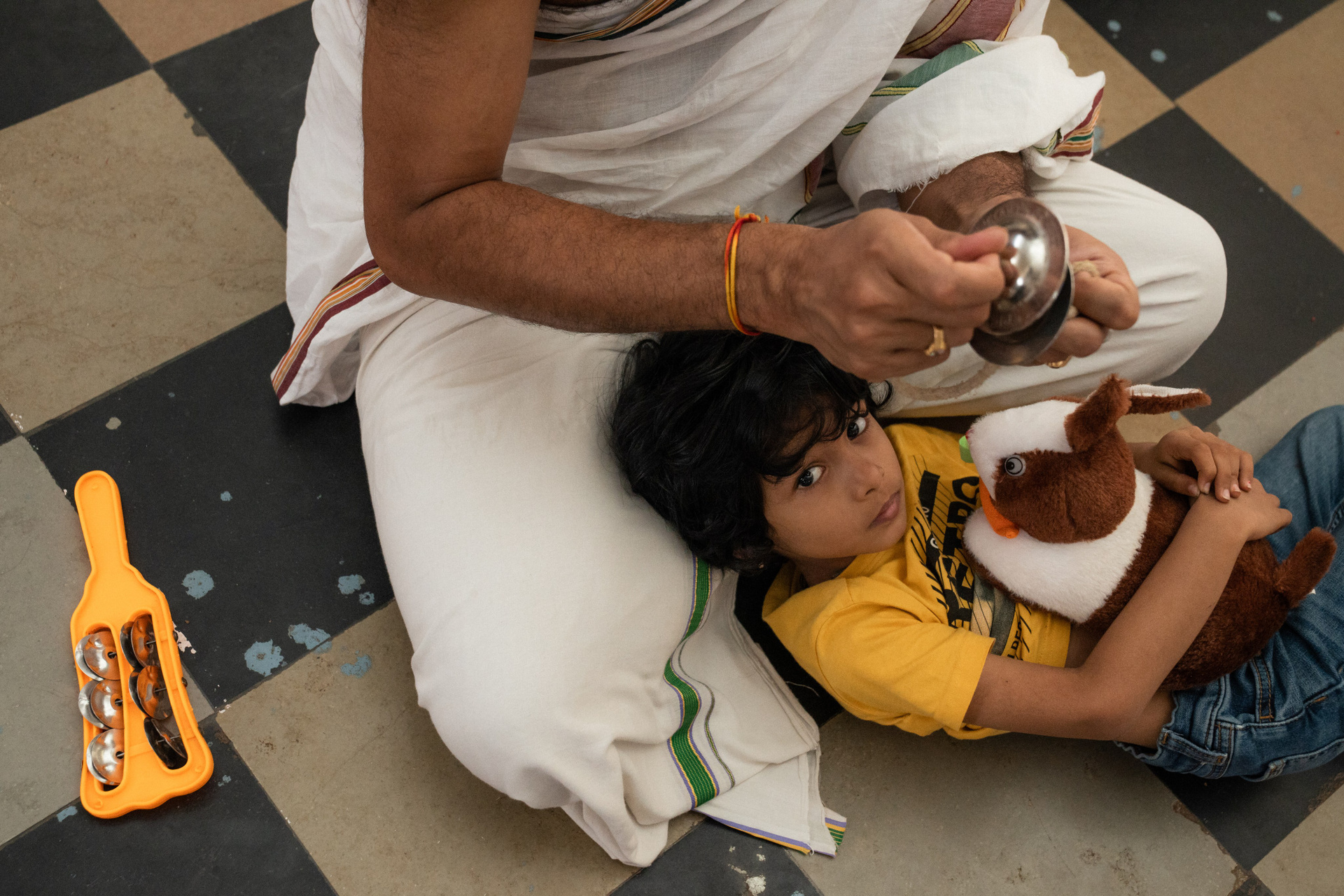
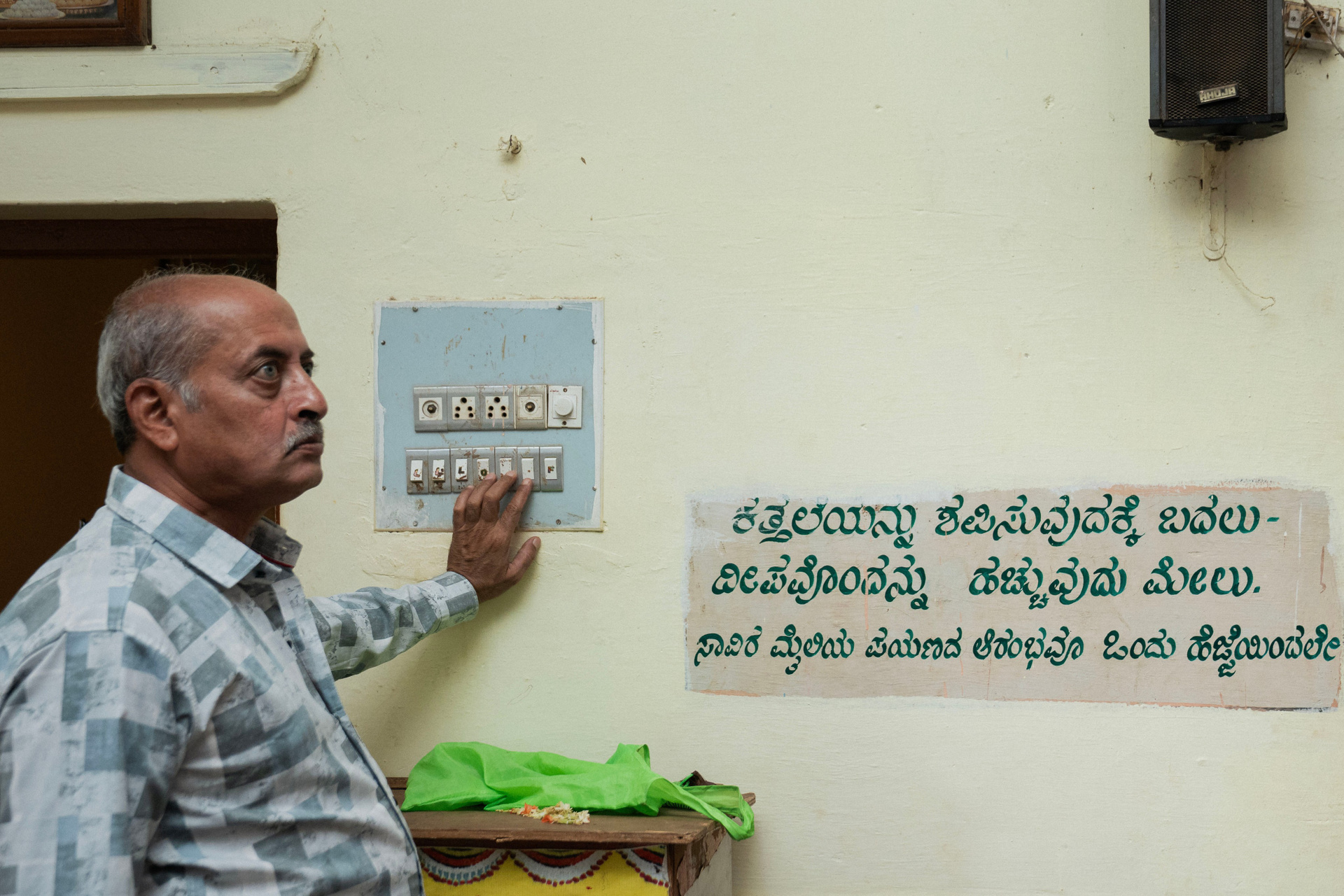
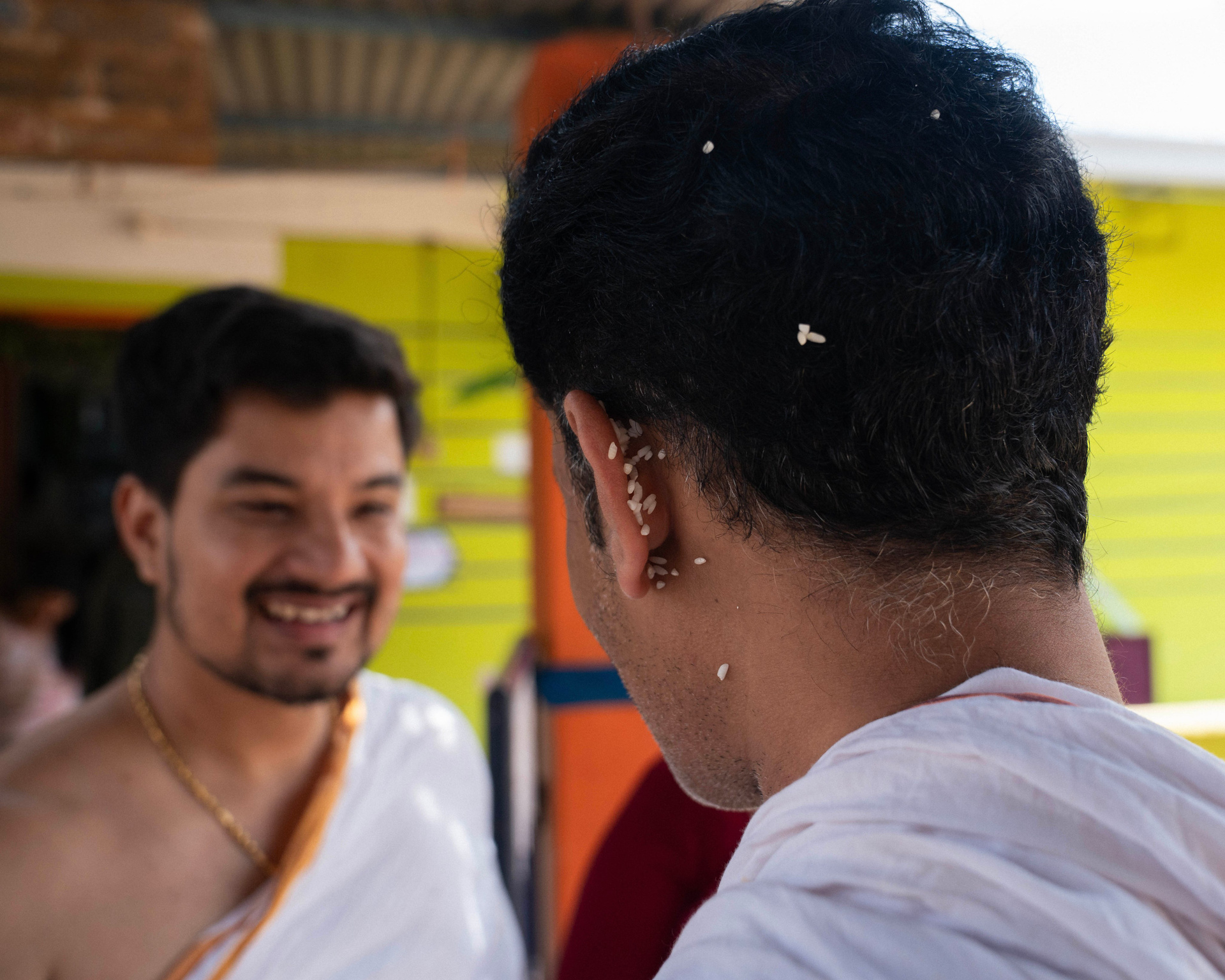
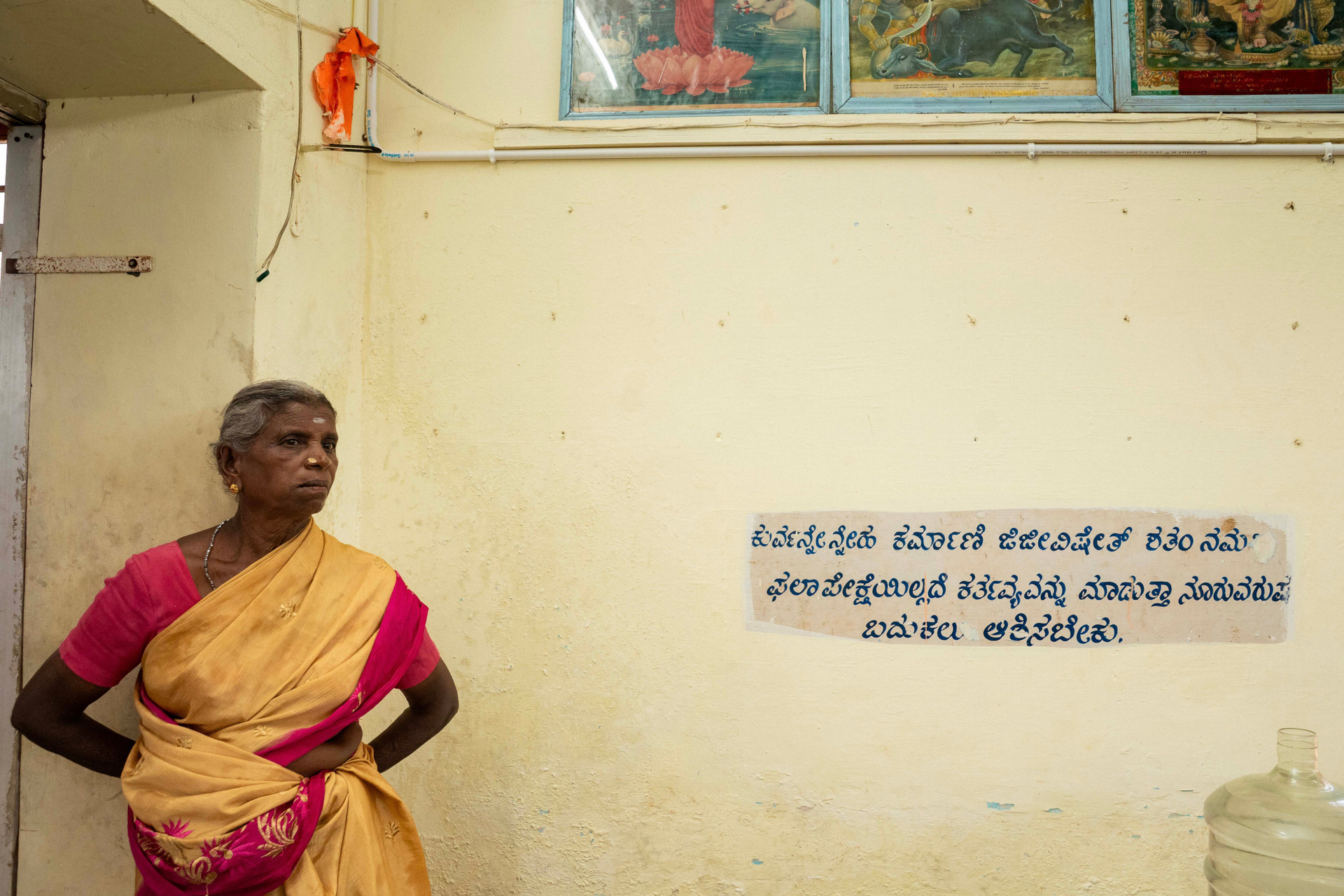
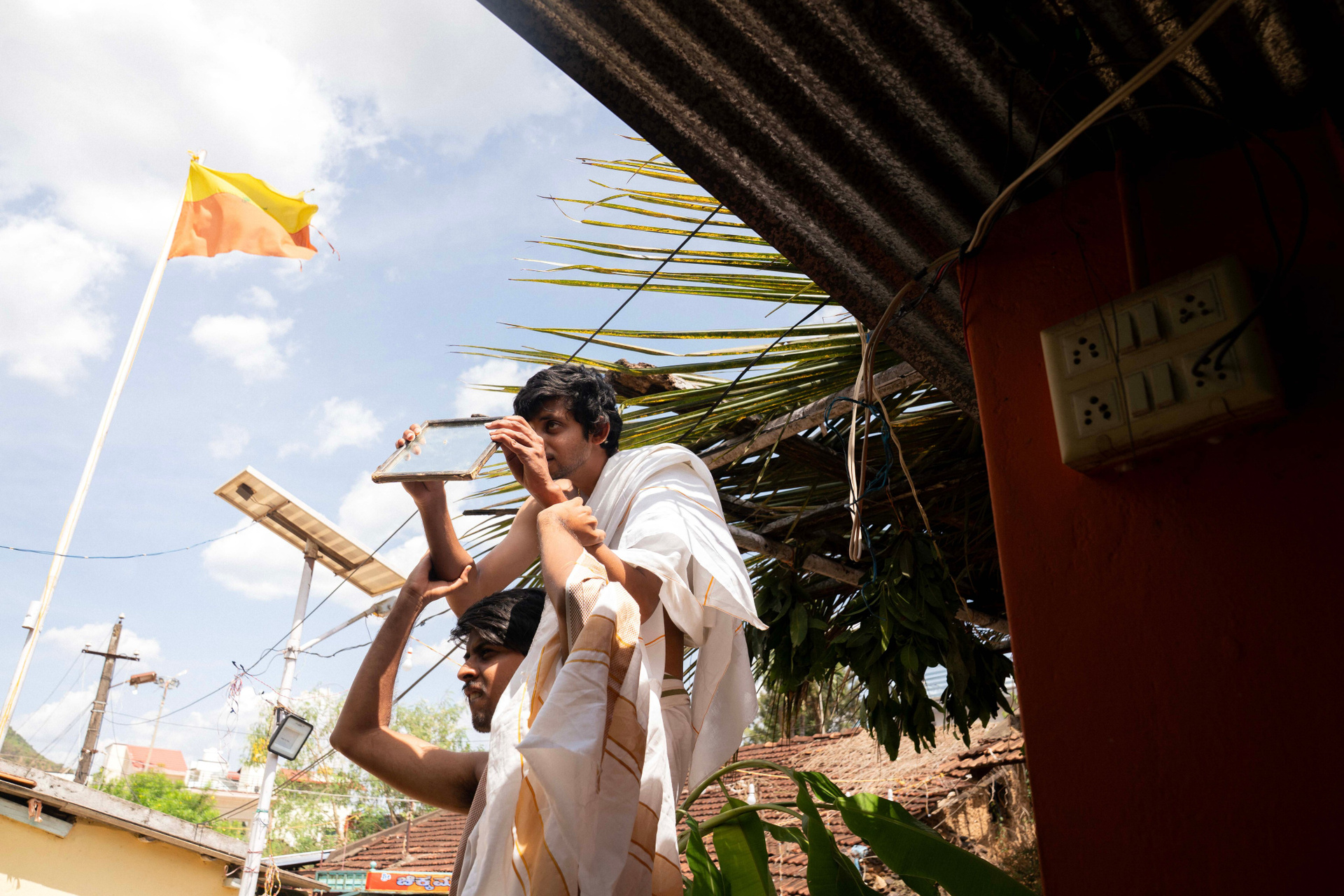
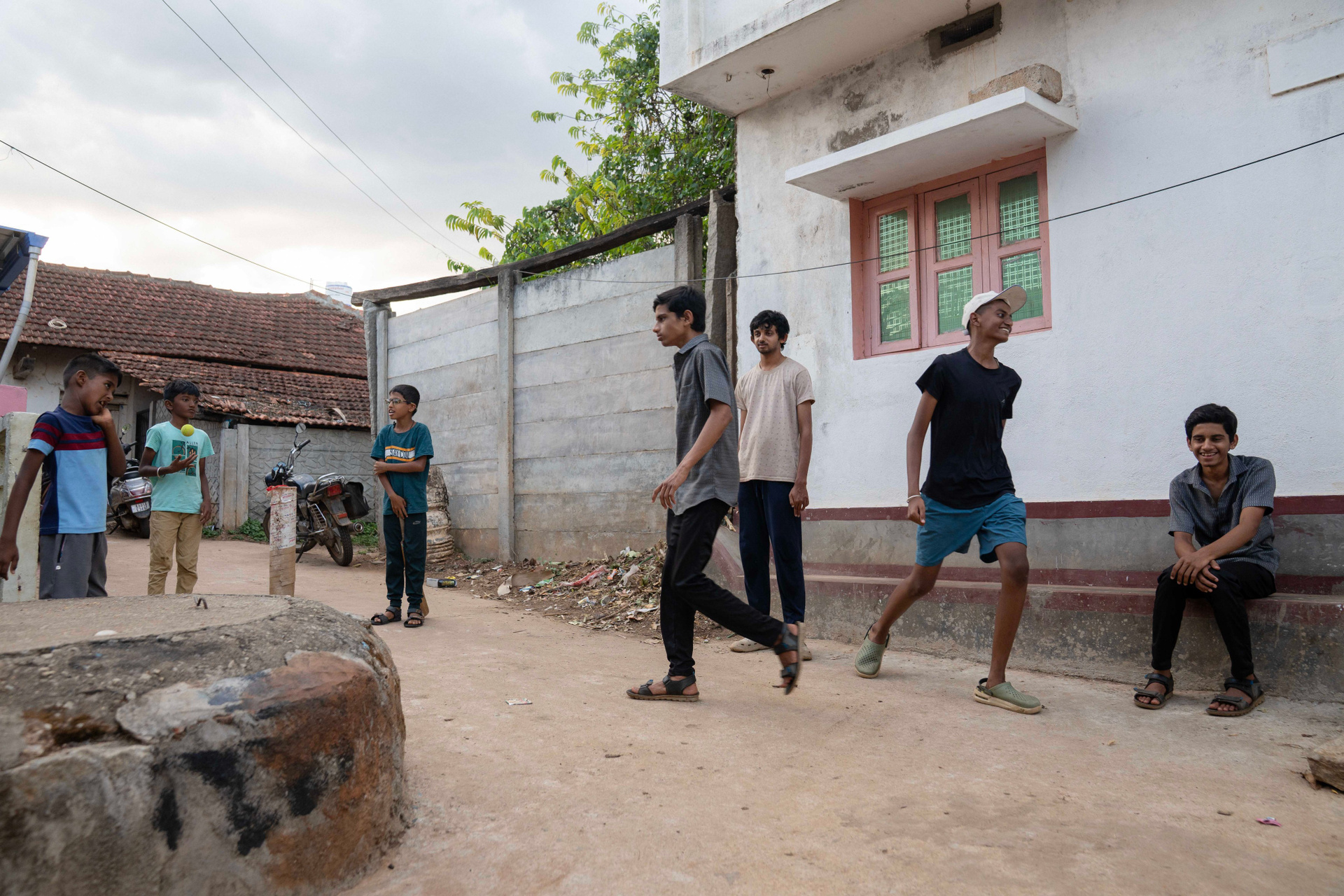
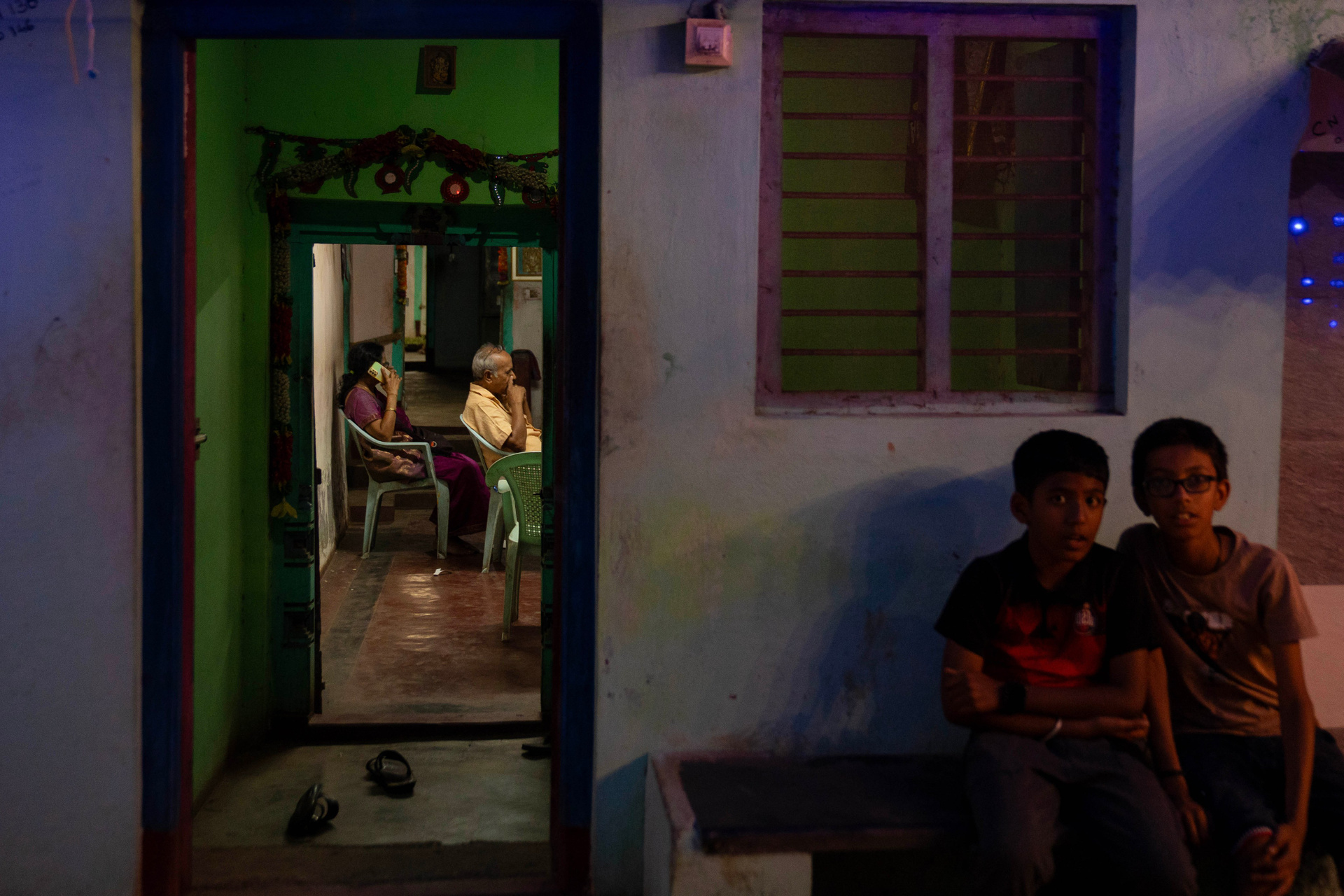
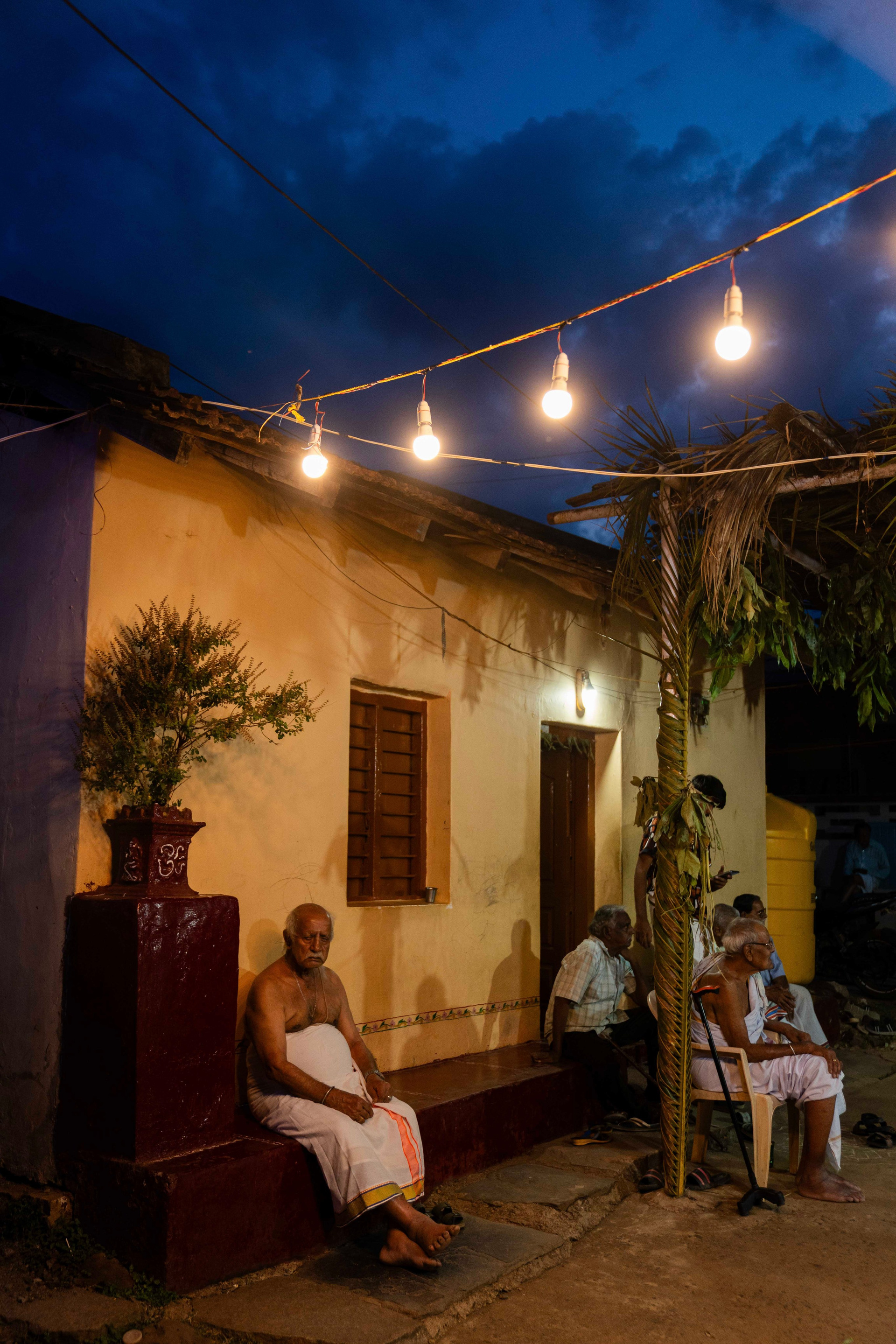
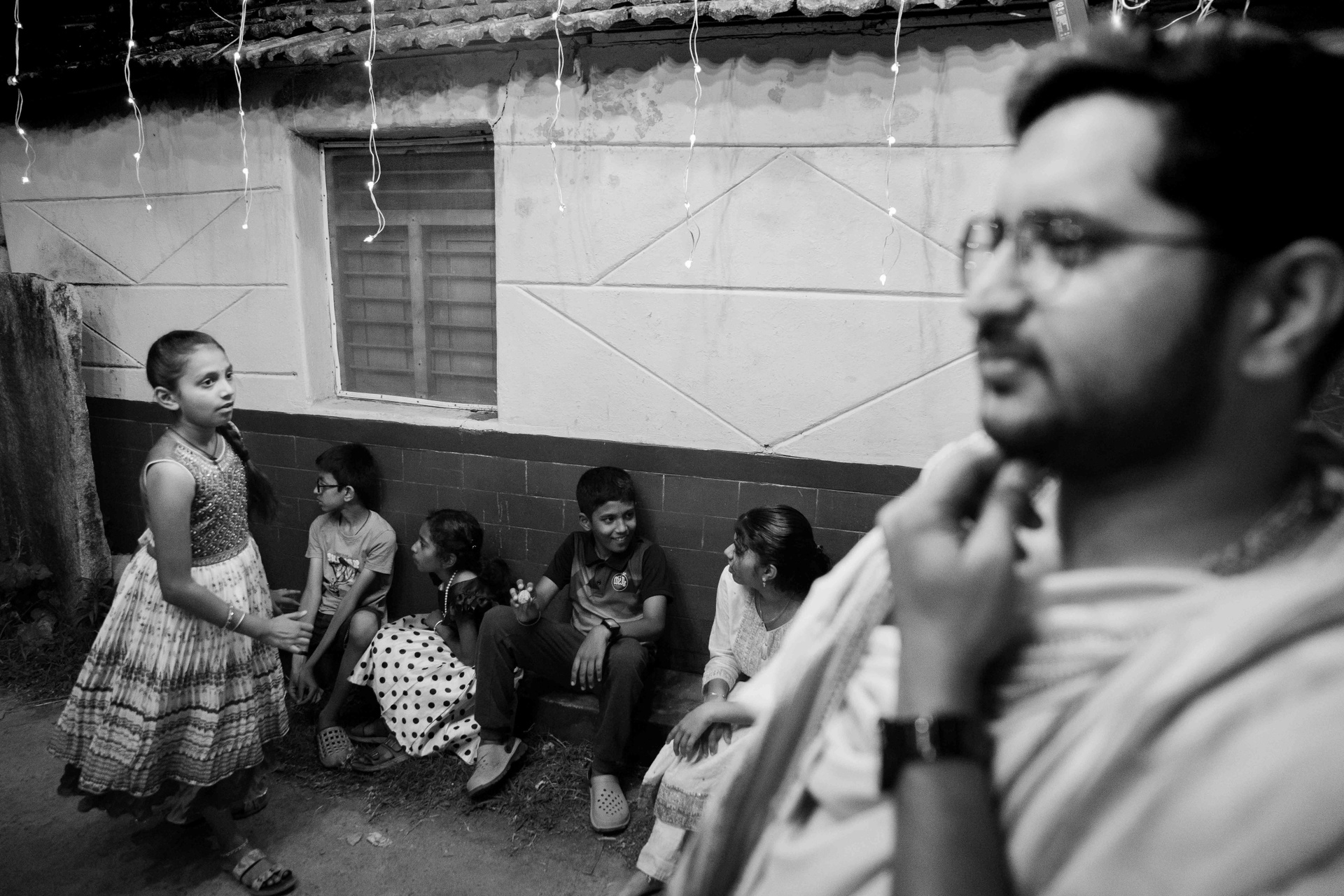
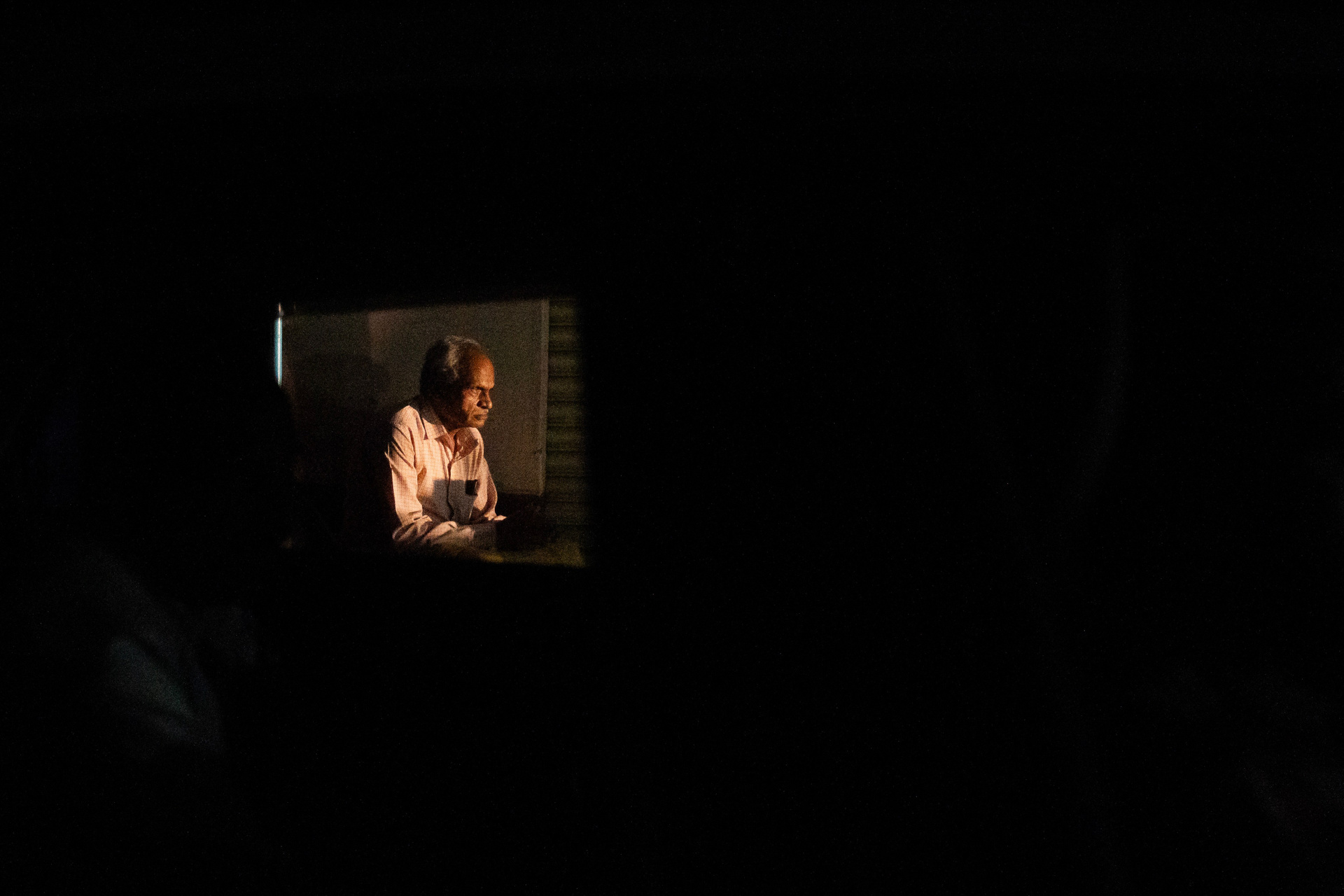
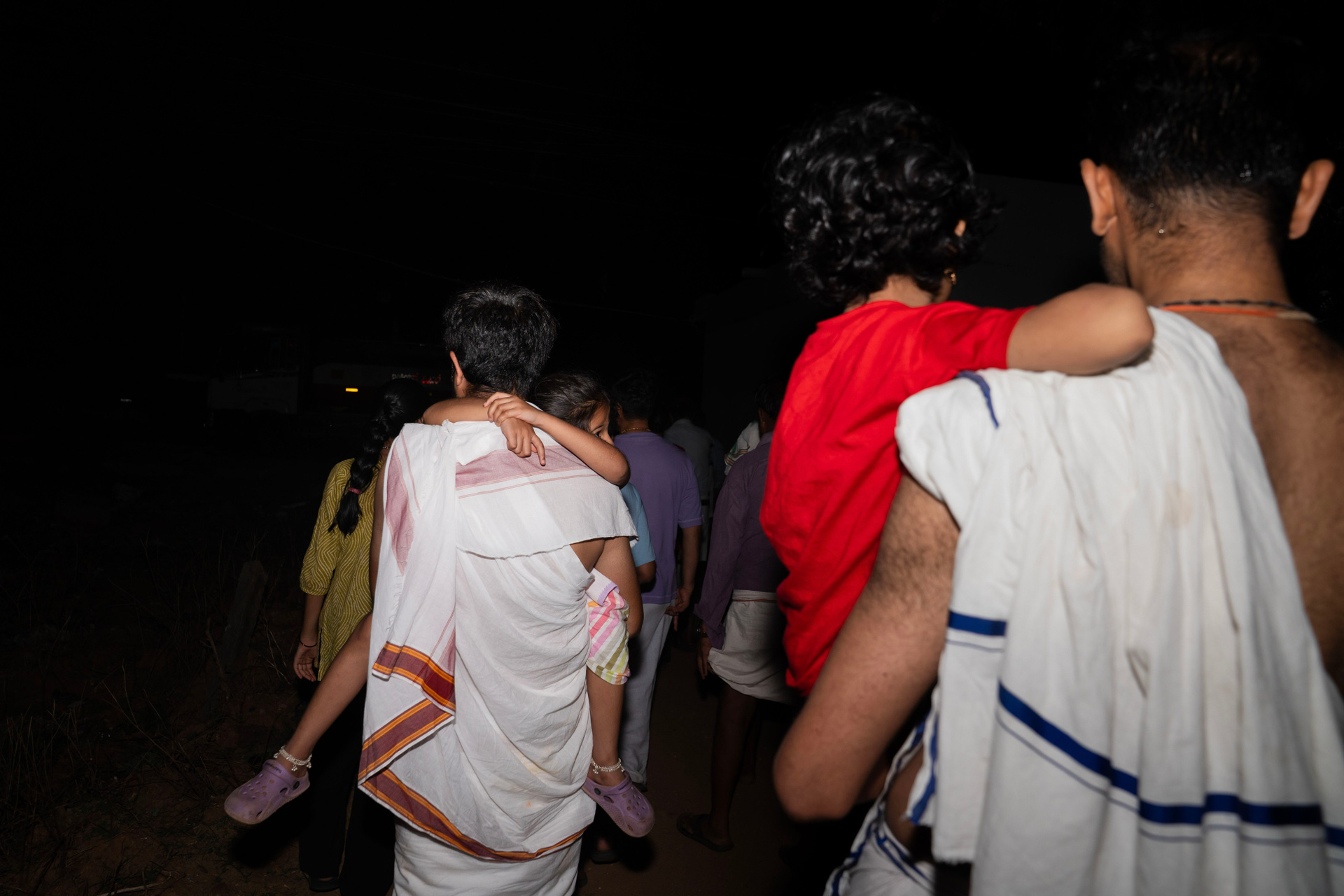
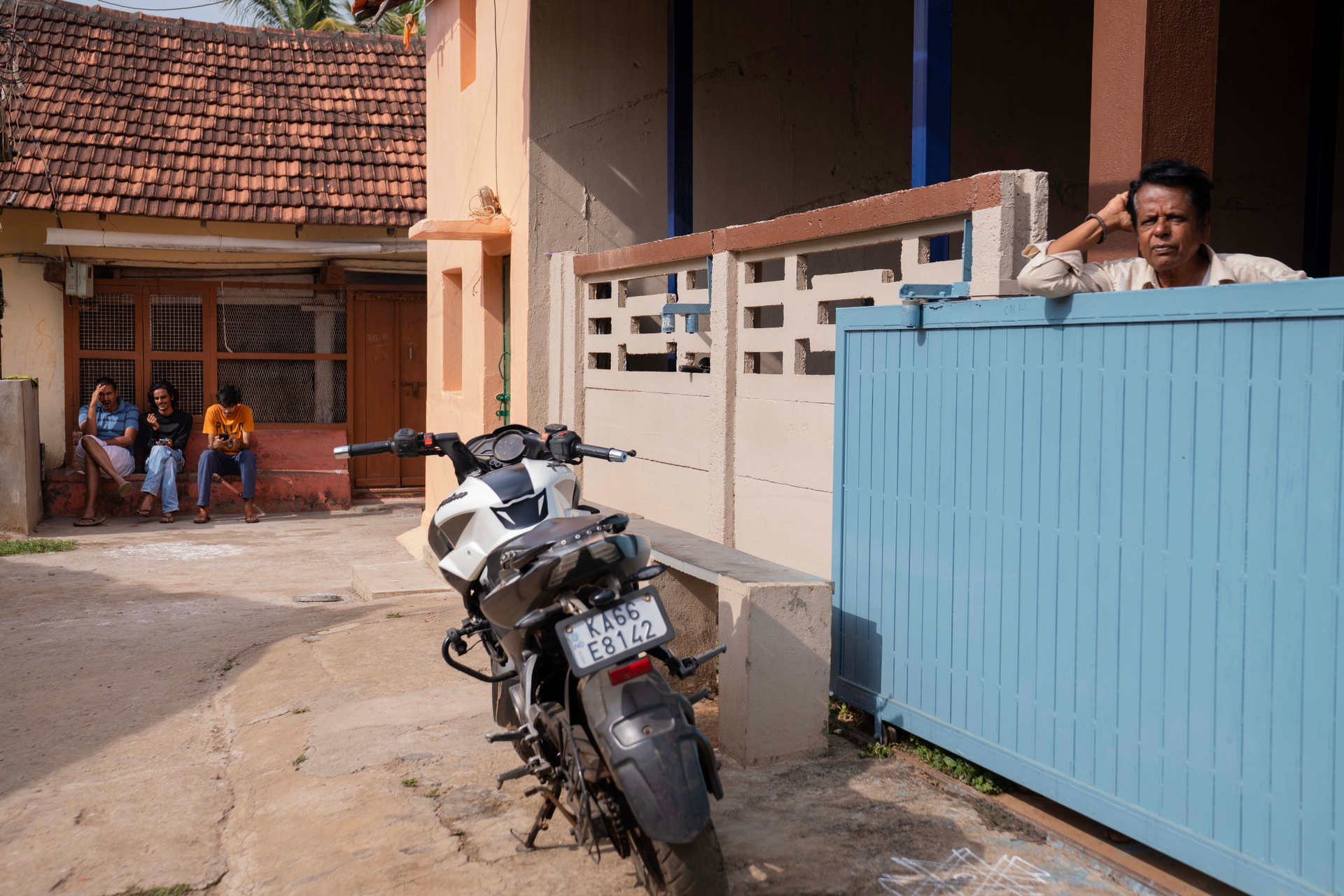
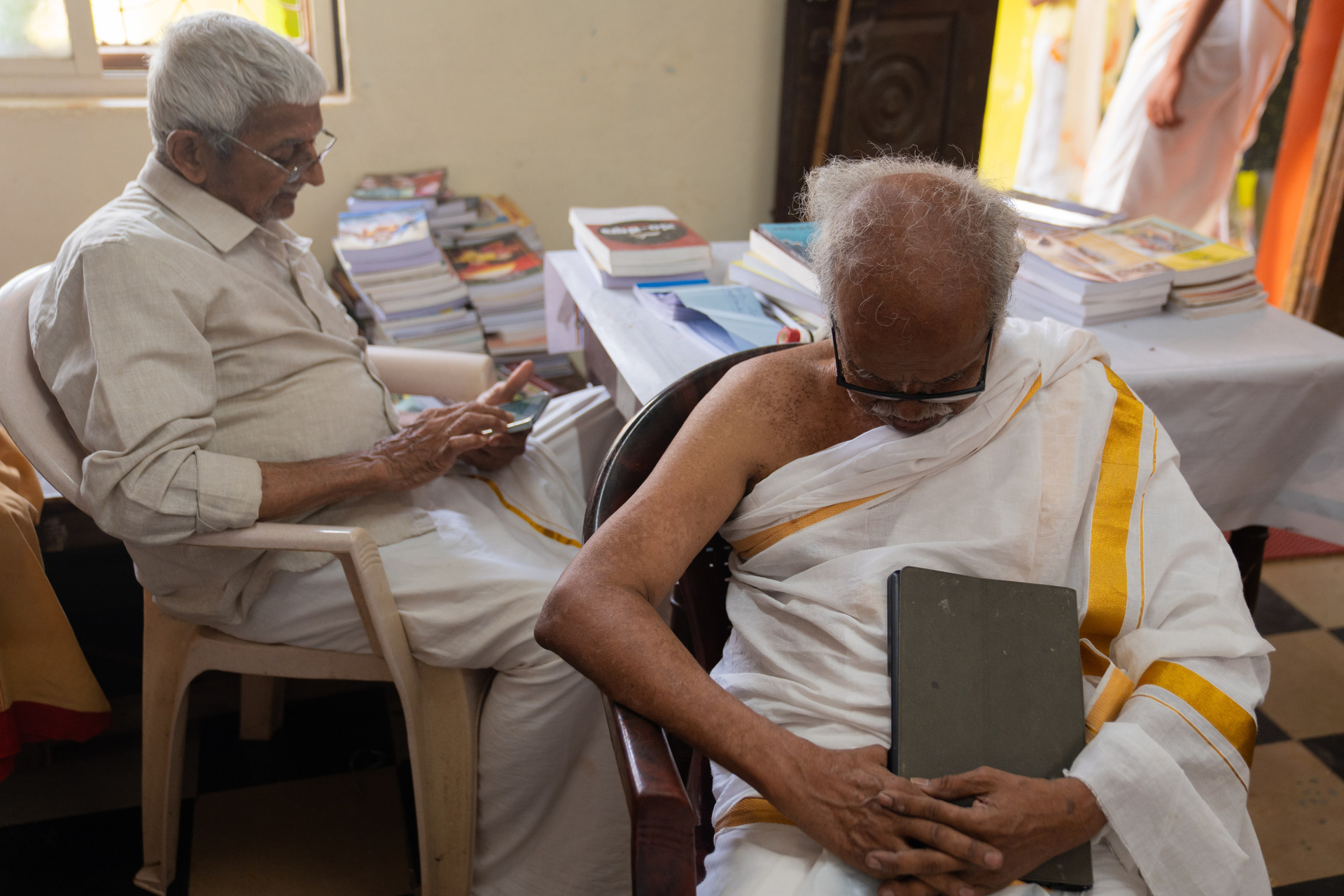
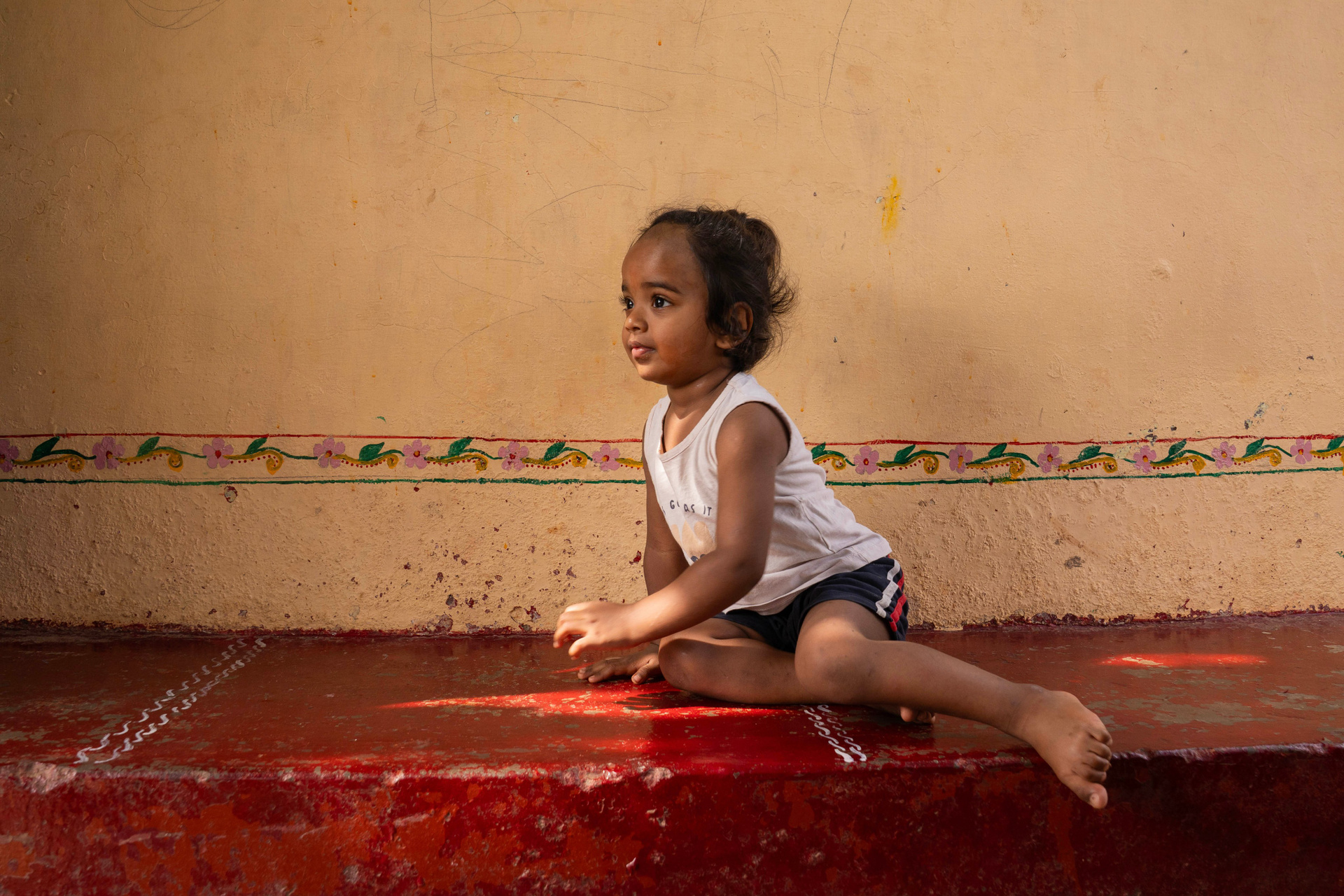
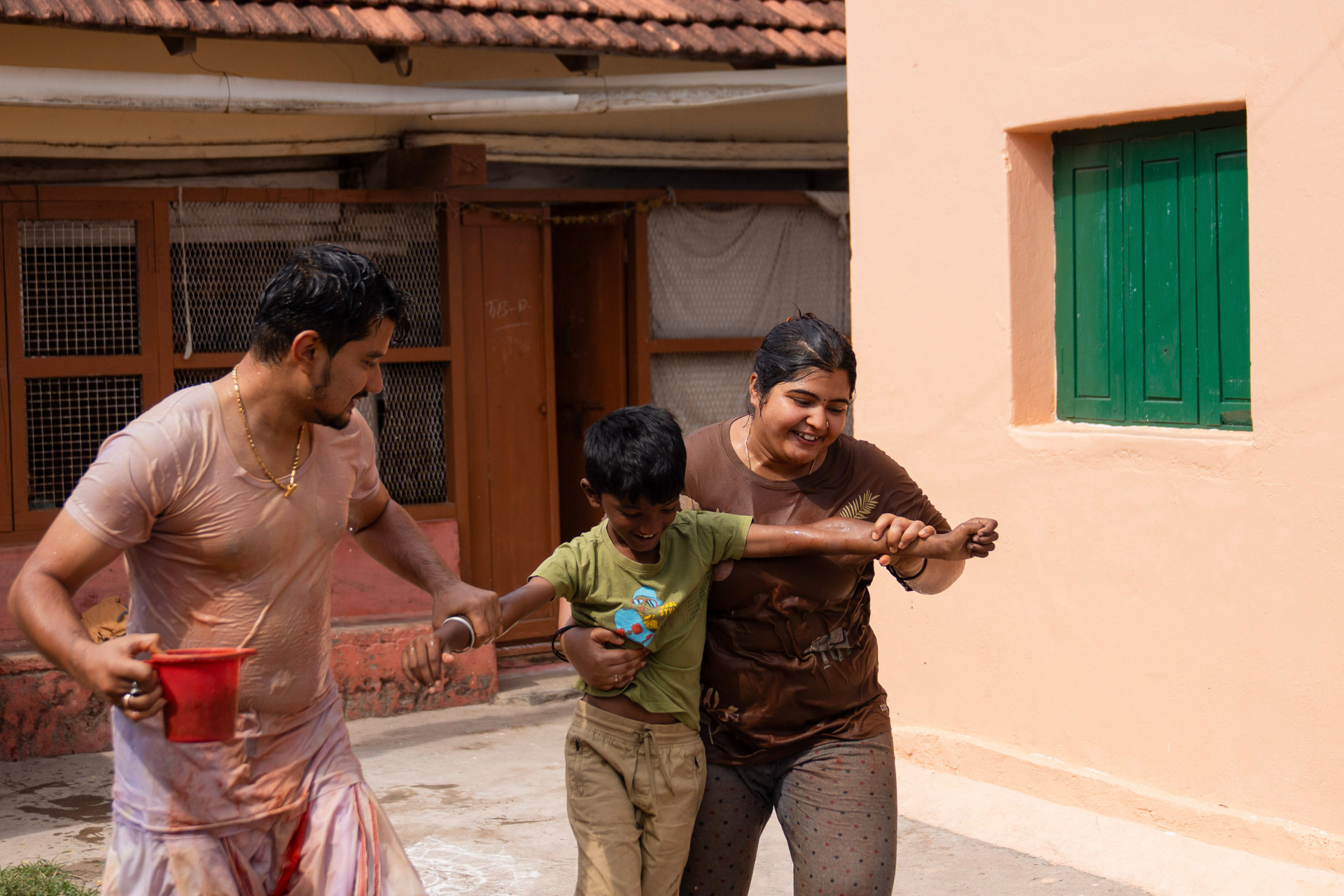
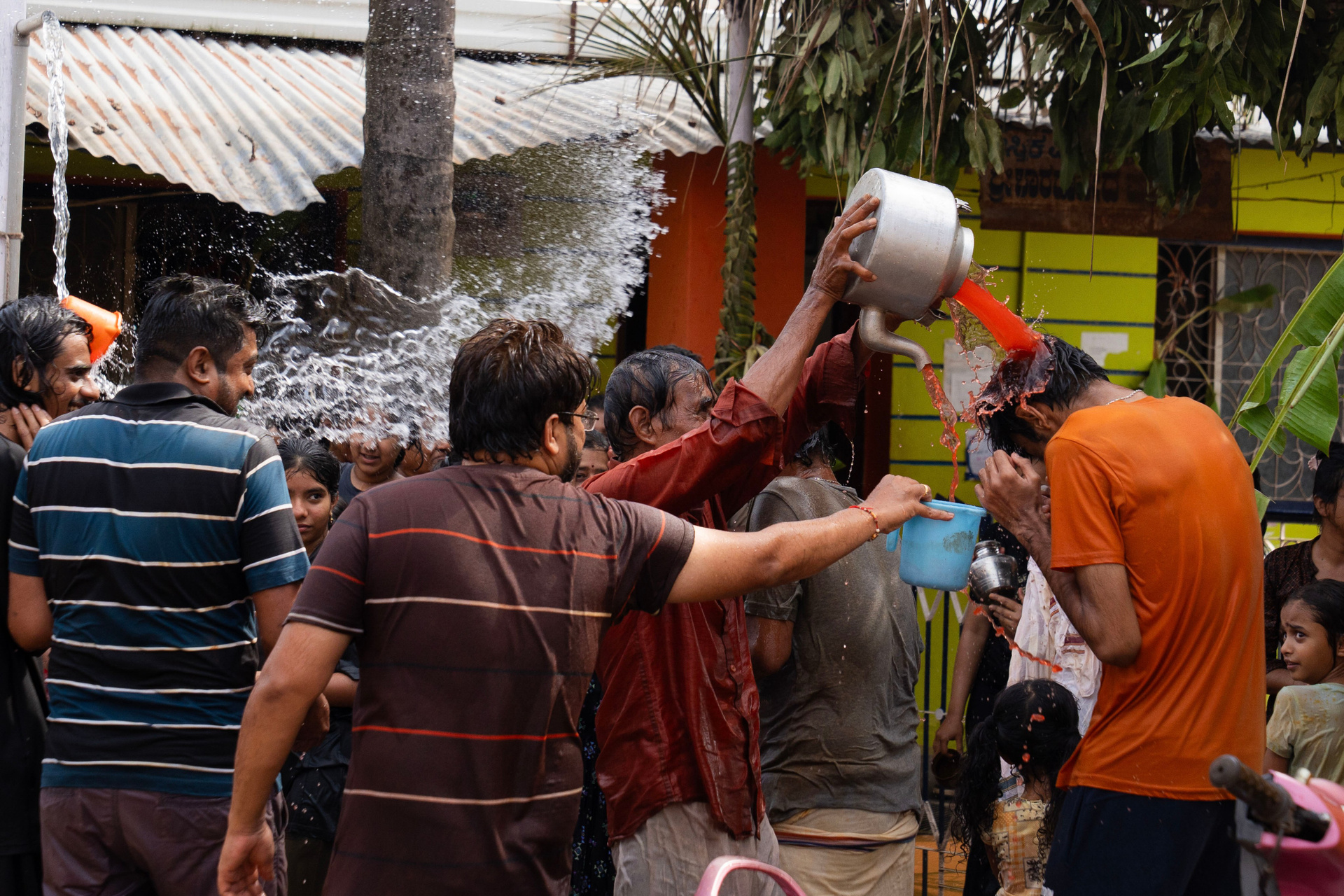
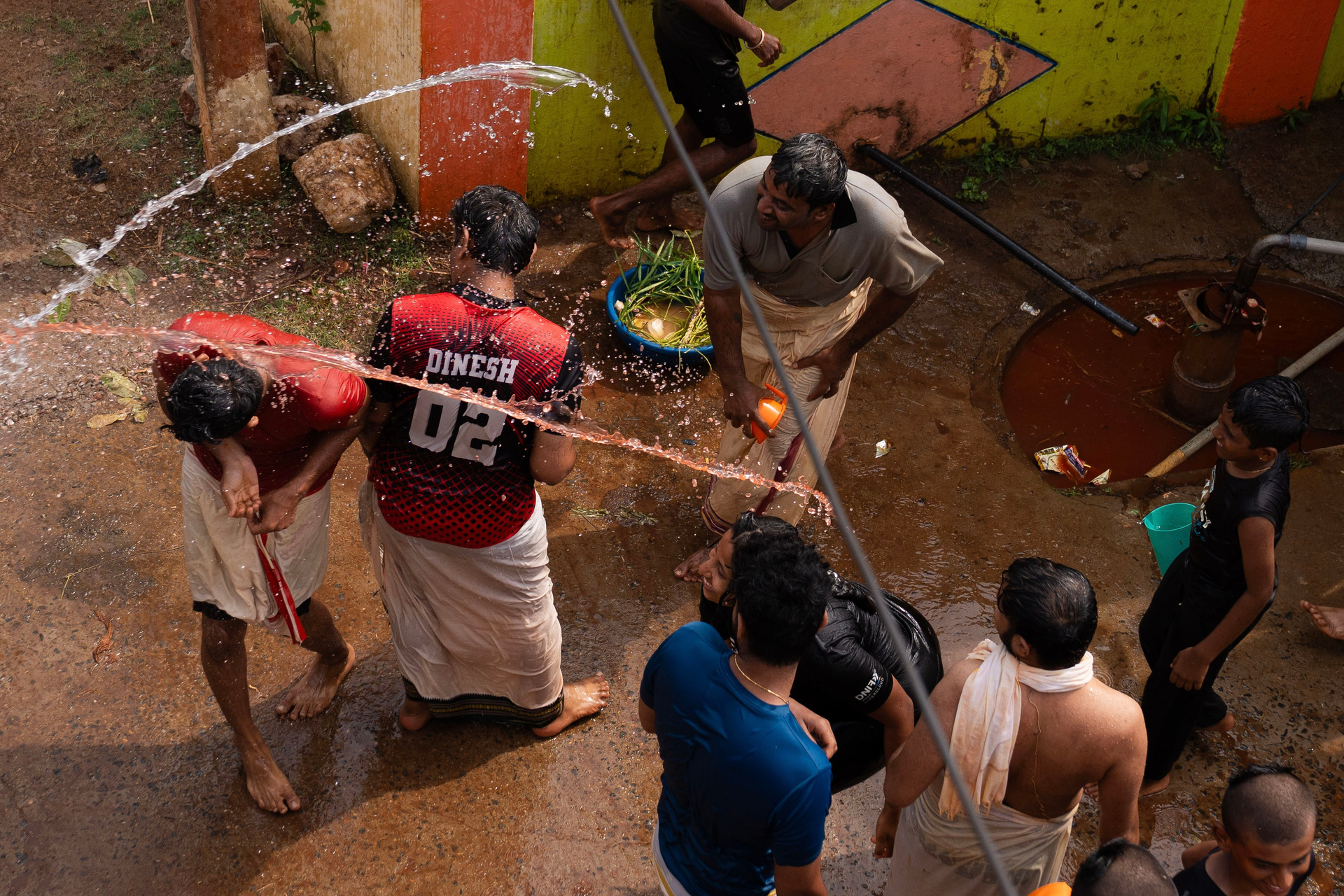
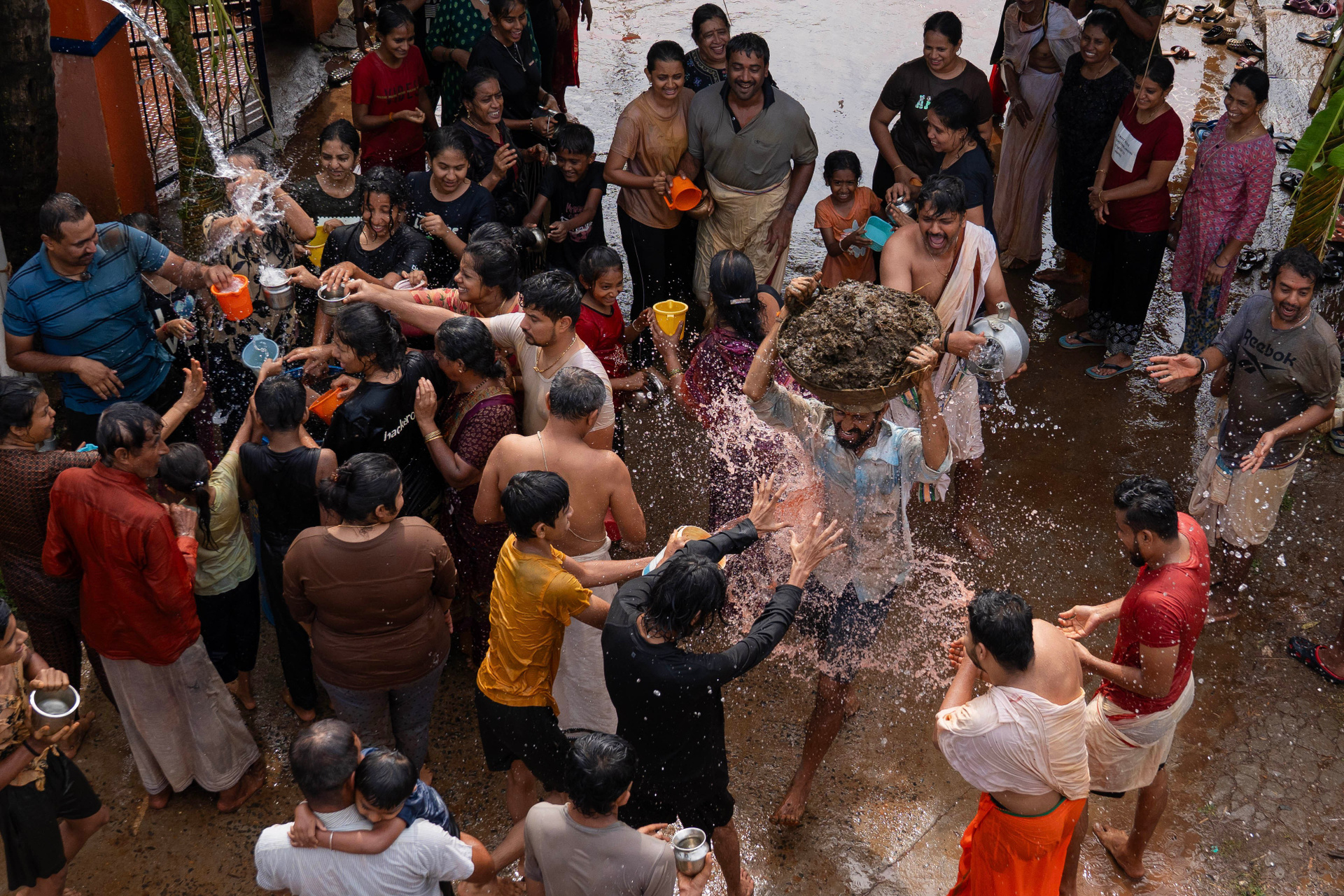
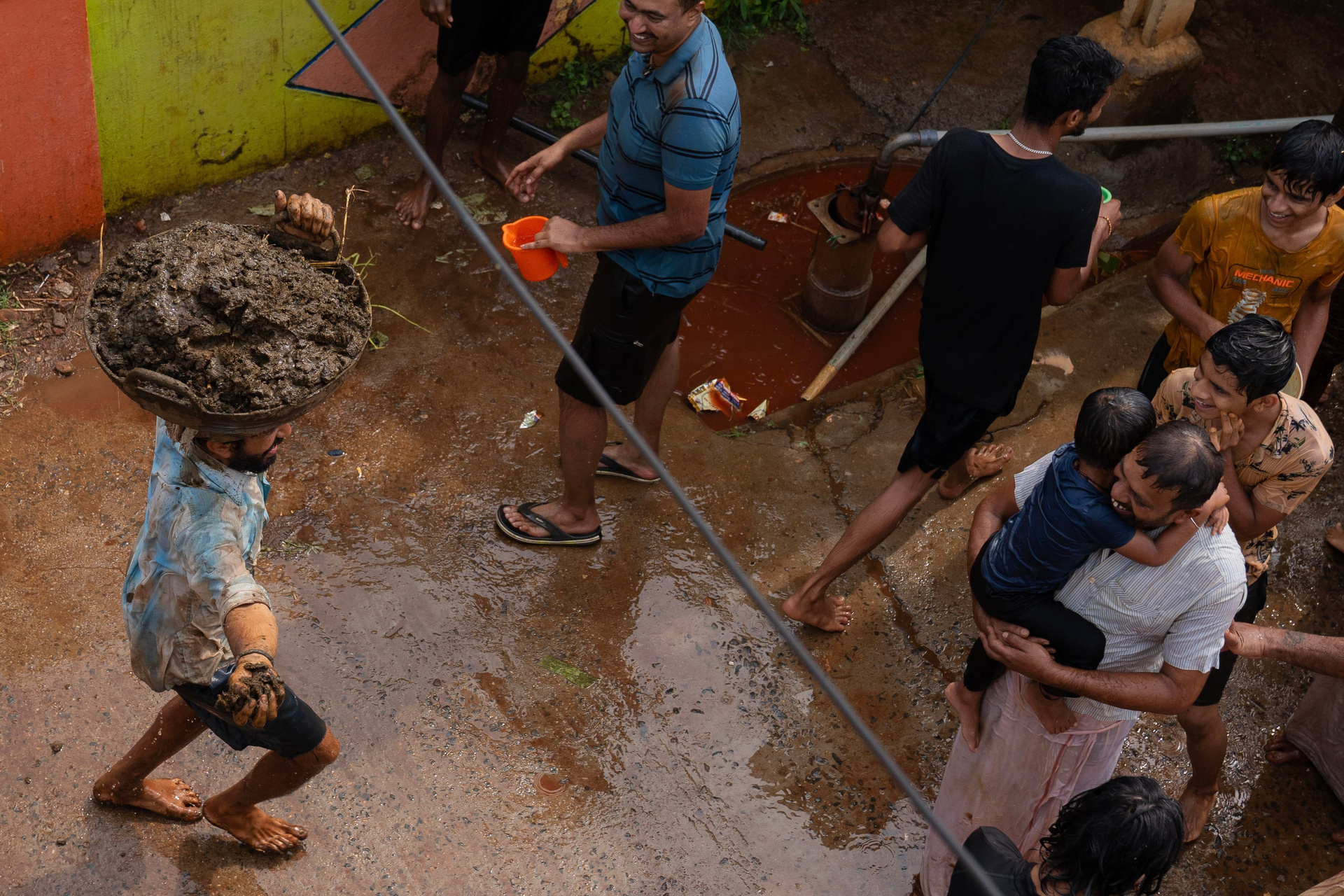
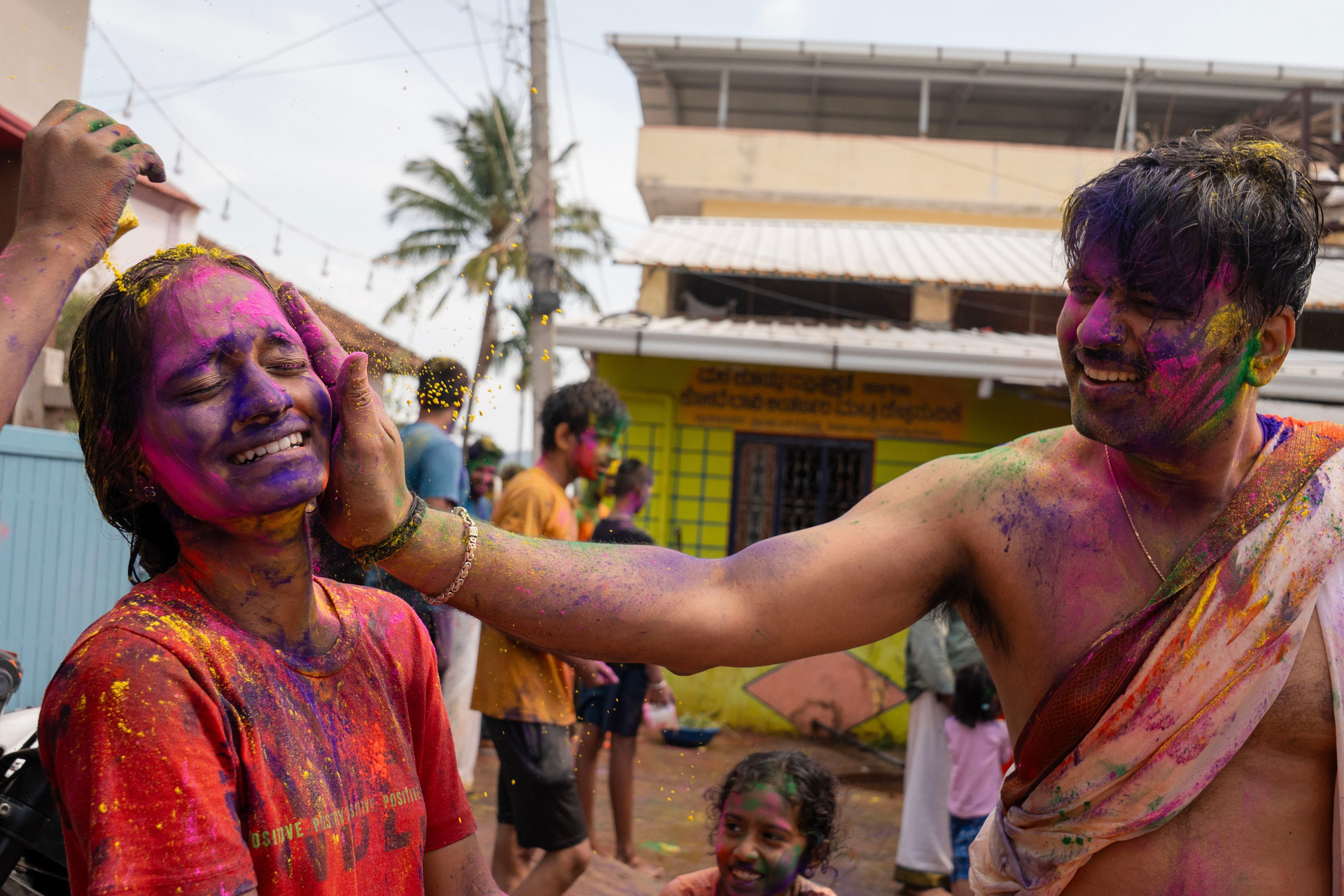
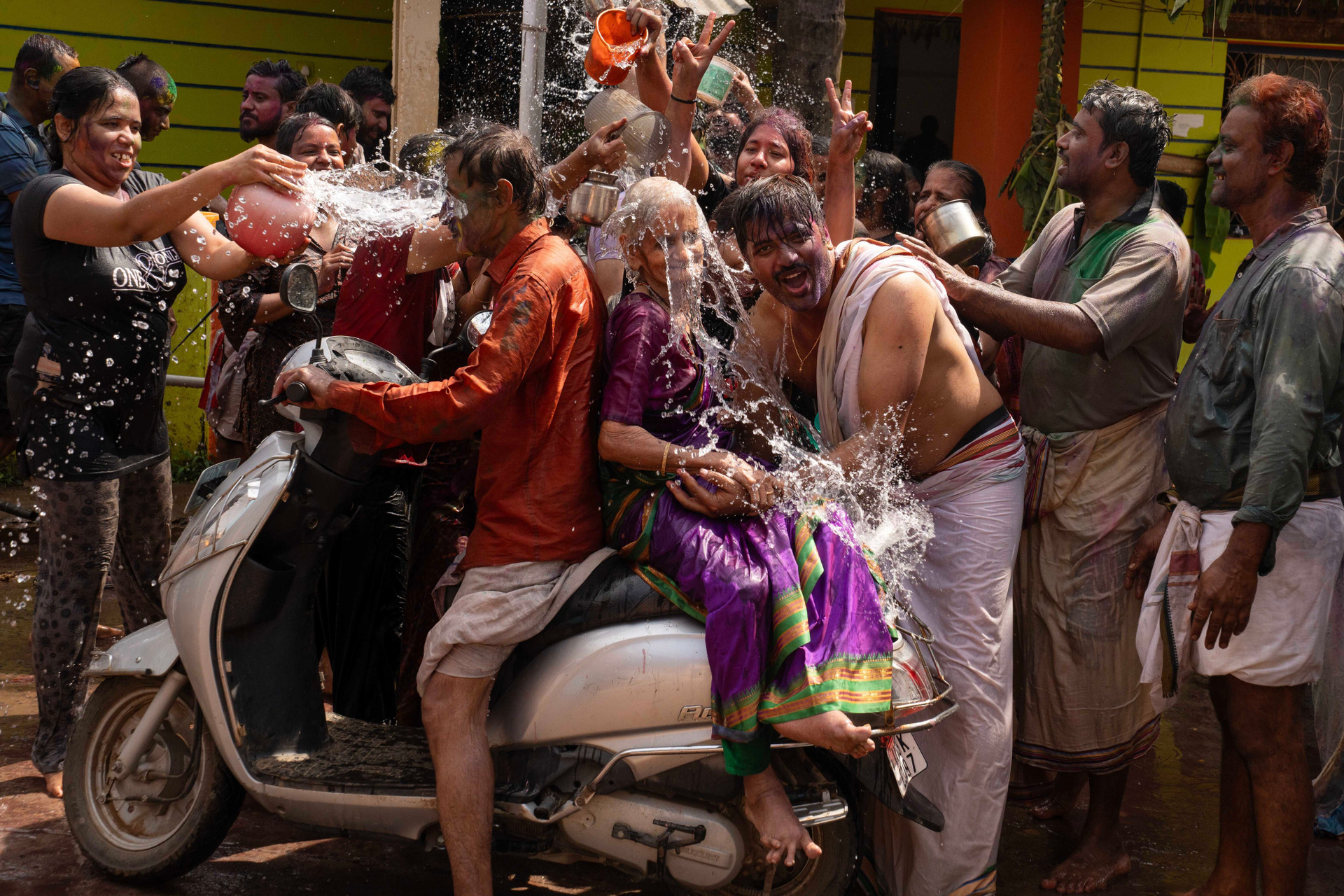
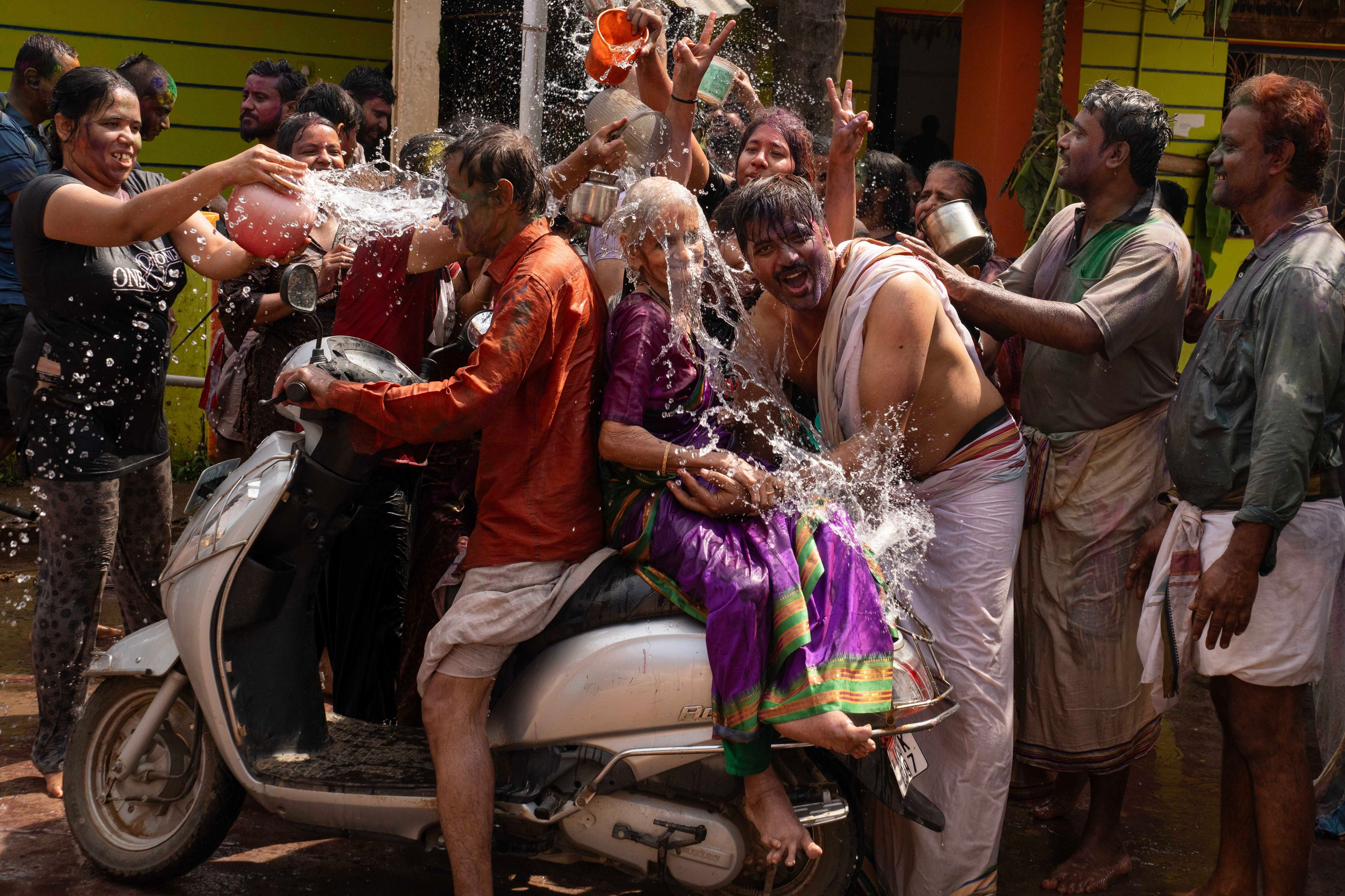
We did not go to Lingadahalli to tick off rituals. We went to look at a village and the people who keep it, every age of them at once. These photographs are by our teammate Prakash Bonal. His frames run wide and hold a great deal of life at once, several small moments happening inside a single picture, none of them arranged. It is a rare way of seeing, and it is exactly what a village like this one asks for. What we came away with was devotion, yes, but also something simpler and just as worth keeping: a handful of houses deciding, year after year, to come together and be one thing.
That is why this belongs in Postscripts. Forty-odd houses have kept this alive for more than sixty years with no audience in mind and no feed to feed. Just the same book, the same ten days, the same pallakki, done for themselves. In a world that measures nearly everything by who is watching, a thing made purely for its own sake is worth slowing down to see. We were lucky Shashank let us in to see it.
Yours truly, Sharath Padaru.
Sri Ramotsava, Lingadahalli. Photographed by Prakash Bonal. Documented at the invitation of Shashank.